
Table of Contents
When faced with a sewage biohazard, understanding the guidelines for cleanup is essential. You need to assess the situation carefully and prioritize safety measures. Wearing the right personal protective equipment (PPE) is vital to minimizing your exposure to harmful contaminants. It’s also important to establish effective containment strategies and follow proper disposal protocols. The next steps involve thorough cleaning and disinfecting of affected areas, ensuring no hazards remain. What comes next in this process?
Key Takeaways
- Conduct a thorough risk assessment to evaluate contamination extent and potential sources before beginning cleanup.
- Use proper personal protective equipment, including gloves, masks, and full-body suits, to ensure safety during cleanup.
- Remove contaminated materials carefully, sealing them in labeled heavy-duty plastic bags for proper disposal.
- Clean and disinfect all affected surfaces with approved cleaning agents to eliminate pathogens and odors.
- Perform a post-cleanup inspection to confirm sanitation, structural integrity, and plan for ongoing monitoring and maintenance.
Assessing the Situation and Safety Precautions
When dealing with a sewage biohazard, it’s crucial to assess the situation before taking any action. Start with a thorough risk assessment to understand the extent of the contamination. Identify potential sources, such as leaks or ruptured pipes, and evaluate the surrounding environment.
Consider factors like proximity to water sources, soil type, and local wildlife, as these can greatly influence the environmental impact.
Next, check for any signs of human or animal exposure, as this increases health risks. Document your findings, noting any immediate hazards, which will help in planning further response steps.
Remember, your safety and the safety of others are paramount. Engage with local authorities or environmental agencies if needed, as their expertise can aid in managing the situation effectively.
Personal Protective Equipment (PPE) Requirements
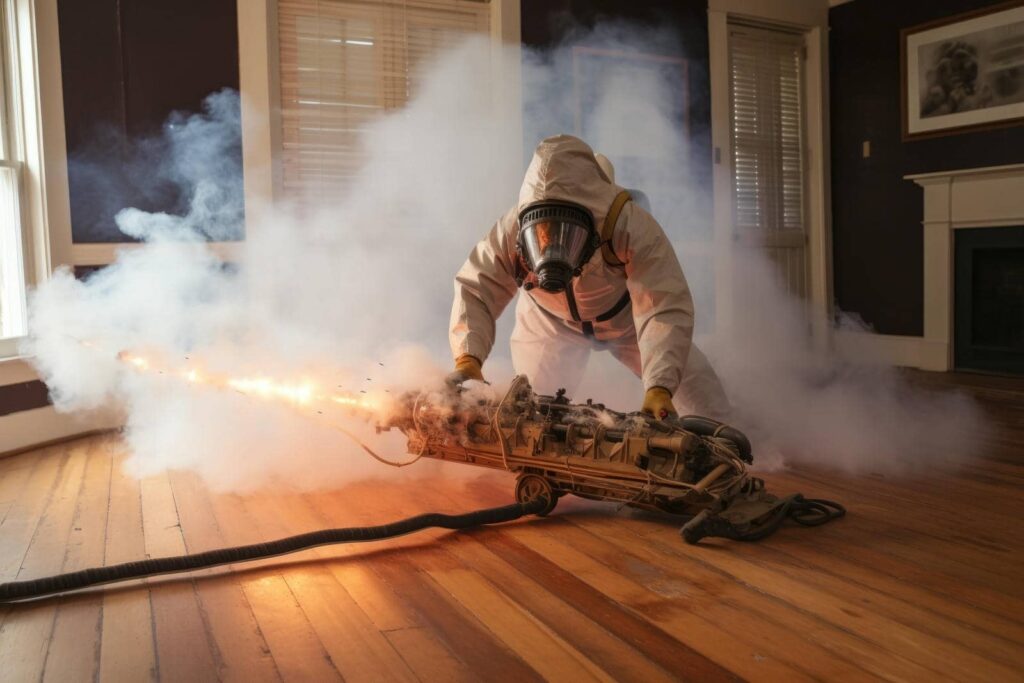
To ensure your safety during sewage biohazard cleanup, you must wear appropriate personal protective equipment (PPE). Start with a thorough hazard assessment to identify specific risks. Based on your findings, select the right equipment to protect yourself effectively.
Essential PPE includes gloves, which should be waterproof and durable, and boots with high sides to prevent contamination. A full-body suit, preferably made of a breathable material, protects against direct contact with sewage.
Don’t forget a proper respirator to shield your lungs from harmful pathogens and fumes. Safety goggles are essential for eye protection from splashes. Confirm that all equipment fits well and is in good condition; any defects could compromise your safety.
Containment and Control Measures
When managing sewage biohazards, you must implement effective containment and control measures.
This includes utilizing appropriate personal protective equipment, isolating the affected area, and adhering to strict waste disposal protocols.
Each step is essential to ensure safety and prevent further contamination.
Personal Protective Equipment
Personal protective equipment (PPE) is vital for safely managing sewage biohazard cleanup. You’ll need various PPE types, including gloves, masks, goggles, and coveralls, to protect yourself from harmful pathogens.
Make sure that your gloves are puncture-resistant, and your masks are rated for biological hazards. Regular PPE maintenance is important; inspect equipment for damage before each use and replace any worn-out items immediately.
Proper cleaning procedures for reusable PPE will enhance safety and longevity. Don’t forget to train on how to wear and remove PPE correctly to minimize exposure.
Area Isolation Techniques
After equipping yourself with appropriate personal protective equipment (PPE), the next step is to implement effective area isolation techniques.
Begin by establishing area restrictions to limit access and protect individuals from exposure. Use biohazard barriers, such as plastic sheeting or caution tape, to clearly define the contaminated zone and prevent unauthorized entry.
Make certain that these barriers are securely installed and maintained throughout the cleanup process. It’s essential to communicate the hazards clearly to everyone involved, reinforcing the importance of these measures.
Regularly assess the containment setup to make sure it remains effective during the cleanup. By following these isolation techniques, you contribute to a safer environment for yourself and others while managing the risks associated with sewage biohazard cleanup.
Waste Disposal Protocols
To ensure safe and compliant waste disposal during sewage biohazard cleanup, you must implement strict containment and control measures.
Start by segregating contaminated materials into designated waste containers that adhere to disposal regulations. Use leak-proof, puncture-resistant bags for solid waste and clearly label them to ensure proper identification.
It’s essential to follow local waste management guidelines, as regulations may vary by region. Regularly monitor the containment area to prevent leaks and minimize exposure risks.
Dispose of waste promptly through licensed hazardous waste facilities to avoid accumulation. Always wear appropriate personal protective equipment (PPE) during handling.
Sewage Removal and Disposal Procedures
When you handle sewage removal, wearing appropriate safety equipment is essential to protect yourself from harmful pathogens.
You must also ensure proper disposal of contaminated materials to mitigate health risks.
Finally, follow the decontamination and sanitization steps to restore the area to a safe condition.
Safety Equipment Requirements
Ensuring your safety during sewage removal and disposal procedures is paramount, as exposure to biohazardous materials can pose serious health risks.
To protect yourself, you must wear appropriate safety gear that meets established equipment standards. Begin with heavy-duty gloves to prevent skin contact with contaminants. A mask or respirator is essential to avoid inhaling harmful particles. Eye protection, such as goggles, keeps your vision safe from splashes.
Additionally, wear waterproof boots and coveralls to shield your clothing and skin. Consider using a face shield for further protection during high-risk tasks.
Contaminated Material Disposal
After equipping yourself with the necessary safety gear, the next step involves the proper disposal of contaminated materials.
Begin by identifying all contaminated waste, including any hazardous materials such as sewage-soaked items, personal belongings, and structural components. You’ll need to place these items in heavy-duty plastic bags or containers, ensuring they’re securely sealed to prevent leaks.
Label each bag clearly as hazardous waste to alert others about the potential dangers. Transport the sealed materials to an authorized disposal facility that handles biohazardous waste, following local regulations.
Avoid mixing contaminated waste with regular trash, as this can lead to cross-contamination. Proper disposal is essential for maintaining safety and reducing health risks for you and the community.
Decontamination and Sanitization Steps
To effectively decontaminate and sanitize an area affected by sewage, you must prioritize the immediate removal of all sewage and contaminated materials.
Follow these essential steps to ensure thorough decontamination:
Wear Protective Gear: Equip yourself with gloves, masks, and goggles to safeguard against biohazards.
Remove Sewage: Use a pump or wet vacuum to extract all visible sewage, ensuring you’re clearing out liquids and solids.
Disinfect Surfaces: Apply suitable sanitization techniques, such as bleach solutions or EPA-approved disinfectants, on all affected surfaces.
Dispose Properly: Follow local regulations for disposing of sewage and contaminated materials, ensuring safety for your environment.
Cleaning and Disinfecting Affected Areas
When dealing with sewage biohazards, it’s essential that you promptly clean and disinfect affected areas to minimize health risks.
Start by gathering appropriate cleaning agents, such as industrial-grade detergents specifically designed for biohazard cleanup. Wear protective gear, including gloves, masks, and goggles, to ensure your safety during the process.
Begin the cleaning process by removing any visible waste or contaminated materials. Once the area is cleared, apply the cleaning agents to surfaces, ensuring thorough coverage.
Follow up with disinfectant application, using a product that has proven efficacy against pathogens found in sewage. Allow the disinfectant to sit for the recommended dwell time to ensure ideal effectiveness.
Finally, rinse and dry the surfaces, ensuring no residues remain. Proper cleaning and disinfecting safeguard your health and promote a safe environment for everyone involved in the recovery process.
Deodorization Techniques for Sewage Odors
Once the cleaning and disinfecting process is complete, addressing lingering sewage odors is essential for restoring a safe and pleasant environment.
You can employ various odor neutralization methods to effectively eliminate these unpleasant smells. Here are four techniques to contemplate:
Activated Charcoal: This natural absorbent traps odors effectively, purifying the air.
Industrial Deodorizing Agents: These specialized products neutralize odors at a molecular level, providing immediate relief.
Enzymatic Cleaners: These bio-based solutions break down organic matter, effectively eliminating sources of odors.
Air Purification Systems: Utilizing HEPA filters and UV light, these systems can considerably reduce airborne odor particles.
Post-Cleanup Restoration and Monitoring
After completing the cleanup and disinfection process, it’s essential to implement effective restoration and monitoring strategies to ensure the environment remains safe and hygienic.
Start with a thorough post-cleanup inspection to identify any areas that may require additional attention. This inspection is critical for confirming that no contaminants linger and that surfaces are completely sanitized.
Next, focus on restoration planning. This involves evaluating structural integrity and determining if repairs or renovations are necessary. Consider factors like water damage and mold growth, which mightn’t be immediately visible.
Regular monitoring is fundamental for maintaining safety. Schedule periodic inspections to ensure the environment stays free of biohazards. Use moisture meters and air quality tests to keep track of potential issues.
Frequently Asked Questions
How Long Does Sewage Cleanup Usually Take?
Sewage cleanup usually takes several hours to days, depending on the duration of the cleanup and various cleanup factors like the extent of contamination, area size, and equipment used. Efficient processes can greatly reduce the overall time needed.
What Types of Bacteria Are Present in Sewage?
When dealing with unpleasant situations, it’s important to know sewage pathogens can include E. coli, Salmonella, and various viruses. Understanding these bacteria types helps you stay safe and informed in challenging environments.
Can I Clean Sewage Myself?
You shouldn’t attempt DIY cleanup for sewage due to safety risks. Contaminants can cause severe health issues. It’s best to hire professionals who understand sewage safety protocols and can effectively manage the hazardous materials involved.
What Are the Health Risks of Sewage Exposure?
Imagine wading through a hidden danger; sewage exposure can lead to serious health effects like gastrointestinal infections, respiratory issues, and skin irritations. Protect yourself—understanding these risks is essential for your well-being and safety.
How Do I Choose a Cleanup Company?
To choose a cleanup company, check their qualifications, ensuring they’re certified and experienced. Read customer reviews to gauge satisfaction and professionalism. This’ll help you find a reliable partner for effective and safe sewage biohazard cleanup.
Recap
Following sewage biohazard cleanup guidelines is essential for your safety and health. You must assess risks, use appropriate PPE, and ensure contaminated materials are contained and disposed of properly. Cleaning and disinfecting the affected areas is important, as is deodorizing lingering odors. Finally, post-cleanup restoration and monitoring are critical to prevent future issues. By adhering to these guidelines, you’ll create a safe environment that feels as pristine as a mountain spring after a heavy rain.