
Table of Contents
It is important to understand effective water extraction methods. When faced with a flooding situation, knowing the right steps can make all the difference in minimizing damage and protecting your property. Let’s explore the essential processes that ensure successful basement water extraction and how you can safeguard your space against future issues.
Key Takeaways
- Identify the source of water intrusion and ensure safety by turning off power and wearing personal protective equipment.
- Gather necessary equipment, including a high-capacity pump and wet/dry vacuum for effective water removal.
- Use appropriate extraction methods based on water level, then disinfect surfaces to prevent mold growth.
- Employ dehumidifiers and fans to enhance air circulation and expedite drying of affected areas.
- Implement preventive measures, such as waterproofing and regular maintenance, to avoid future water issues.
Assessing the Situation
When facing water in your basement, how can you quickly and accurately assess the situation? Start by identifying the source of the water intrusion. Is it from a pipe leak, heavy rain, or a sump pump failure? Understanding the cause is vital for effective water damage mitigation.
Next, conduct a moisture assessment by checking the extent of the flooding. Use a moisture meter to measure levels in walls, floors, and even furniture. Pay attention to hidden areas where water might accumulate, as this can lead to mold growth and further damage.
Document your findings, noting any affected materials and their conditions. This information will guide your next steps in remediation.
Gathering Necessary Equipment
Before you start the water extraction process, gather the necessary equipment to ensure efficiency and safety.
First, identify the equipment types you’ll need. A high-capacity submersible pump is critical for removing large volumes of water quickly. You’ll also want a wet/dry vacuum for smaller residual water and debris. Important tools like hoses and extension cords are essential for connecting your pump and powering your equipment safely.
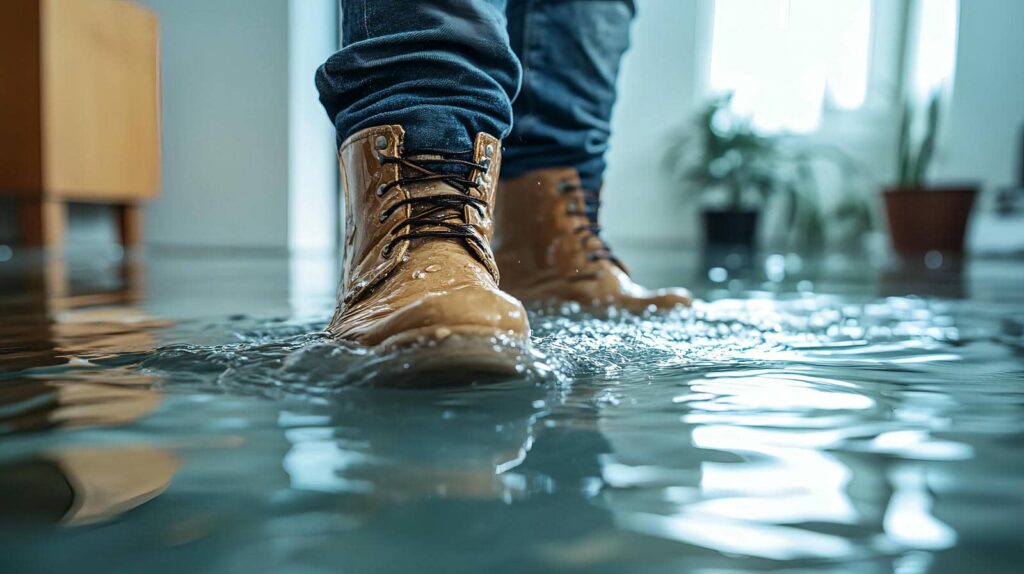
Don’t forget to include personal protective gear, such as gloves and waterproof boots, to keep yourself safe during the extraction.
Depending on the situation, you might also need a dehumidifier to prevent mold growth after extraction. By collecting these important tools beforehand, you’ll streamline the process and feel more confident tackling the task at hand.
This preparation ensures a thorough job and fosters a sense of community as you join others who prioritize effective water management.
Ensuring Safety Precautions
While extracting water from your basement, it’s vital to prioritize safety precautions to protect yourself and others. Here are some essential steps to follow:
Wear Personal Protective Equipment (PPE): Always don gloves, boots, and masks to prevent contact with contaminated water.
Turn Off Power: Before starting, make sure that all electrical outlets and appliances in the basement are disconnected to avoid shock hazards.
Assess Structural Integrity: Check for any signs of damage, such as cracks or sagging walls, that might indicate instability before entering the area.
Have Emergency Procedures Ready: Prepare a plan for emergencies, including access to first aid supplies and a way to contact local authorities if needed.
Removing Standing Water
When you encounter standing water in your basement, the first step is to assess the water level to determine the appropriate extraction method.
Depending on the volume, you might opt for a sump pump, wet vacuum, or other tools to effectively remove the water.
After extraction, disinfect the affected area to prevent mold growth and ensure a safe environment.
Assess Water Level
How do you determine the extent of water accumulation in your basement? It’s essential to assess the water level before proceeding with extraction.
Start by identifying the water sources and flooding causes that contributed to the problem. Here’s how you can effectively assess the situation:
Visual Inspection: Look for visible water pooling and note the deepest areas.
Use a Measuring Tool: A ruler or measuring tape can help you quantify the water depth.
Check for Signs of Damage: Look for water stains or mold growth, indicating prolonged exposure.
Document Findings: Take photos and notes to keep track of the situation for insurance purposes.
This assessment will guide your next steps in the extraction process and ensure a thorough approach.
Choose Extraction Method
After evaluating the water level in your basement, it’s essential to choose an effective extraction method to remove the standing water.
A sump pump is often your best option for large volumes of water. It efficiently drains accumulated water into a designated discharge area, ensuring quick removal.
If you’re dealing with smaller amounts or stubborn puddles, a water vacuum can be a practical choice. This tool allows you to suck up water from tight corners and hard-to-reach spaces, providing a thorough clean-up.
Whichever method you select, make sure it’s suitable for the specific situation in your basement. Quick action not only minimizes damage but also fosters a sense of control in restoring your space.
Disinfect Affected Area
Once you’ve successfully extracted the standing water, addressing the affected area with proper disinfection is vital to prevent mold growth and harmful bacteria.
Here are essential steps for effective surface sanitization:
Choose Disinfecting Agents: Use EPA-approved disinfectants that target bacteria and mold.
Prepare the Area: Remove any debris or materials that retain moisture before applying disinfectants.
Apply Disinfectants: Follow the manufacturer’s instructions for dilution and application; ensure even coverage on all surfaces.
Allow for Dwell Time: Let the disinfecting agents sit for the recommended time to confirm effectiveness, then wipe away excess residue.
Drying and Dehumidifying the Area
As you begin the process of drying and dehumidifying the area, it’s vital to address the moisture that remains after water extraction.
Start by evaluating the space to determine the level of humidity. Choosing the right dehumidifier is significant; verify it’s appropriately sized for your basement. A unit with a higher extraction capacity will enhance moisture control effectively.
Position the dehumidifier in a central location, allowing for ideal airflow. Run it continuously until humidity levels drop to a safe range, ideally between 30-60%.
In addition, use fans to increase air circulation, which aids in drying wet surfaces more quickly.
Check for hidden moisture pockets behind walls or under flooring, as these can lead to future problems.
Regularly monitor humidity levels with a hygrometer to verify your efforts in drying and dehumidifying the area are successful, creating a safe and comfortable environment for everyone.
Cleaning and Disinfecting Surfaces
After addressing moisture, it’s essential to prepare effective cleaning solutions to eliminate any contaminants.
Focus on high-traffic areas, as these spots are more prone to dirt and bacteria buildup.
Finally, ensure proper drying techniques are employed to prevent mold growth and maintain a safe environment.
Prepare Cleaning Solutions
To effectively clean and disinfect surfaces in your basement, you’ll need to prepare the right cleaning solutions tailored to address the specific contaminants present.
Here are four essential items to take into account:
Bleach Solution: Mix one cup of bleach with a gallon of water for disinfecting mold and mildew.
Vinegar Mix: Combine equal parts vinegar and water to tackle light stains and odors.
Commercial Cleaning Agents: Choose a product designed for the specific contaminants in your basement, following the recommended solution ratios.
Baking Soda Paste: Mix baking soda with water to create a paste for scrubbing tough stains.
With these solutions, you’ll ensure thorough cleaning and effective disinfection, keeping your basement safe and healthy.
Focus on High-Traffic Areas
While addressing water extraction in your basement, it’s essential to focus on high-traffic areas, where contamination can accumulate more rapidly due to frequent use.
These high-traffic zones often experience increased moisture buildup, creating ideal conditions for mold and bacteria growth. Start by thoroughly cleaning surfaces, using appropriate cleaning solutions to eliminate harmful pathogens.
Pay special attention to areas like doorways, stairs, and storage spaces where water may collect. After cleaning, disinfect these surfaces to ensure safety for future use.
Regularly inspecting and maintaining these zones will help prevent future issues, fostering a cleaner, healthier environment for you and your family.
Prioritize these steps to effectively combat potential hazards in your basement.
Ensure Proper Drying Techniques
Effective drying techniques are essential in preventing further damage and mold growth after water extraction. Proper moisture control and effective ventilation strategies are key to successful drying.
Here are four steps to ensure thorough drying and disinfecting of surfaces:
Increase Airflow: Use fans and dehumidifiers to circulate air and reduce humidity levels.
Remove Wet Materials: Take out soaked carpets, furniture, and insulation to speed up the drying process.
Apply Disinfectants: Use EPA-approved disinfectants on all surfaces to eliminate bacteria and fungi.
Monitor Moisture Levels: Regularly check moisture levels with a hygrometer until they reach safe levels.
Preventing Future Water Issues
Implementing proactive measures is essential for preventing future water issues in your basement. Start by investing in effective waterproofing solutions. These can include sealants and membranes that create a barrier against moisture infiltration.
Next, verify your drainage systems are properly installed and maintained. This involves regularly checking gutters, downspouts, and sump pumps to ensure they function efficiently.
Consider landscape grading as well; it should slope away from your home to divert water away from the foundation. Additionally, inspect for cracks in walls or floors and seal them promptly to prevent leaks.
You might also want to install a French drain system for ideal water management.
Frequently Asked Questions
How Long Does It Take for a Basement to Dry Completely?
A basement typically takes 3 to 7 days to dry completely, depending on moisture levels and ventilation. Using dehumidifiers can accelerate the drying time, ensuring a healthier environment for you and your family.
What Are the Signs of Mold Growth After Water Extraction?
You’ll notice signs of mold growth like musty odors, discoloration, or visible spots. Conducting a thorough moisture assessment can help in mold identification, ensuring your space remains healthy and safe for you and your family.
Can I Use Household Fans to Dry the Basement?
Yes, you can use household fans to aid drying methods in your basement. Their effectiveness improves air circulation, helping moisture evaporate faster. Combine fans with dehumidifiers for the best results in moisture removal and preventing mold growth.
How Often Should I Check My Basement for Potential Leaks?
You should check your basement for potential leaks at least once a season. Regular moisture monitoring is essential for leak prevention, helping you identify issues early and maintain a safe, dry environment for your home.
Is It Necessary to Hire a Professional for Water Extraction?
When it comes to water extraction, you might want to think twice before diving in alone. Hiring professional services ensures efficiency and safety, while DIY methods can sometimes lead to more headaches than solutions.
Summary
In the end, you might think water’s just a little inconvenience, but it can wreak havoc if left unchecked. By following these essential steps for basement water extraction, you’re tackling the immediate problem and setting yourself up for long-term success. After all, who wouldn’t want a dry basement? Embrace these methods, and you’ll find that a proactive approach today can save you from a soggy nightmare tomorrow. Stay dry, or you’ll just swim in regret!