
Table of Contents
It’s interesting how a simple water leak can quickly escalate into a major issue if not addressed promptly. Effective water extraction and drying methods are essential for preventing structural damage and mold growth. With the right techniques and equipment, you can minimize risks and ensure a safer environment. Understanding the importance of these methods can make a significant difference in restoration outcomes, but what exactly are the best practices to take into account?
Key Takeaways
- Effective water extraction prevents extensive damage and mitigates health risks associated with mold growth and structural issues.
- Professional drying techniques significantly reduce drying times, allowing spaces to return to normal quickly and efficiently.
- High-quality tools and equipment ensure rapid removal of water and residual moisture, safeguarding the restoration process.
- Dehumidification helps maintain ideal humidity levels, preventing further damage and fostering a sense of security during restoration.
- Proper drying disrupts the mold lifecycle, inhibiting growth within 24 to 48 hours and ensuring a safe environment.
Importance of Prompt Water Extraction
When water intrusion occurs, prompt extraction is essential to preventing extensive damage and mitigating health risks. Ignoring this critical step can lead to significant water damage, affecting structural integrity and creating hazardous conditions like mold growth.
You should prioritize effective extraction methods, such as using submersible pumps and industrial vacuums, which can quickly remove standing water. The sooner you act, the less likely you’ll face increased repair costs and health concerns for occupants.
Additionally, proper extraction minimizes the risk of secondary damage to materials like drywall and flooring. By understanding the importance of immediate action, you foster a safer environment and protect your investment.
Benefits of Professional Drying Techniques
When you opt for professional drying techniques, you greatly reduce drying times, allowing your space to return to normal quickly.
These methods also incorporate effective mold prevention strategies, ensuring your environment remains safe and healthy.
Faster Drying Times
While traditional drying methods can be time-consuming, professional drying techniques remarkably reduce drying times, ensuring that affected areas return to normal conditions quickly.
By implementing heat application, professionals can elevate surface temperatures, accelerating the evaporation process. Coupled with airflow enhancement, which improves air circulation and expedites moisture removal, these methods work synergistically to achieve ideal drying efficiency.
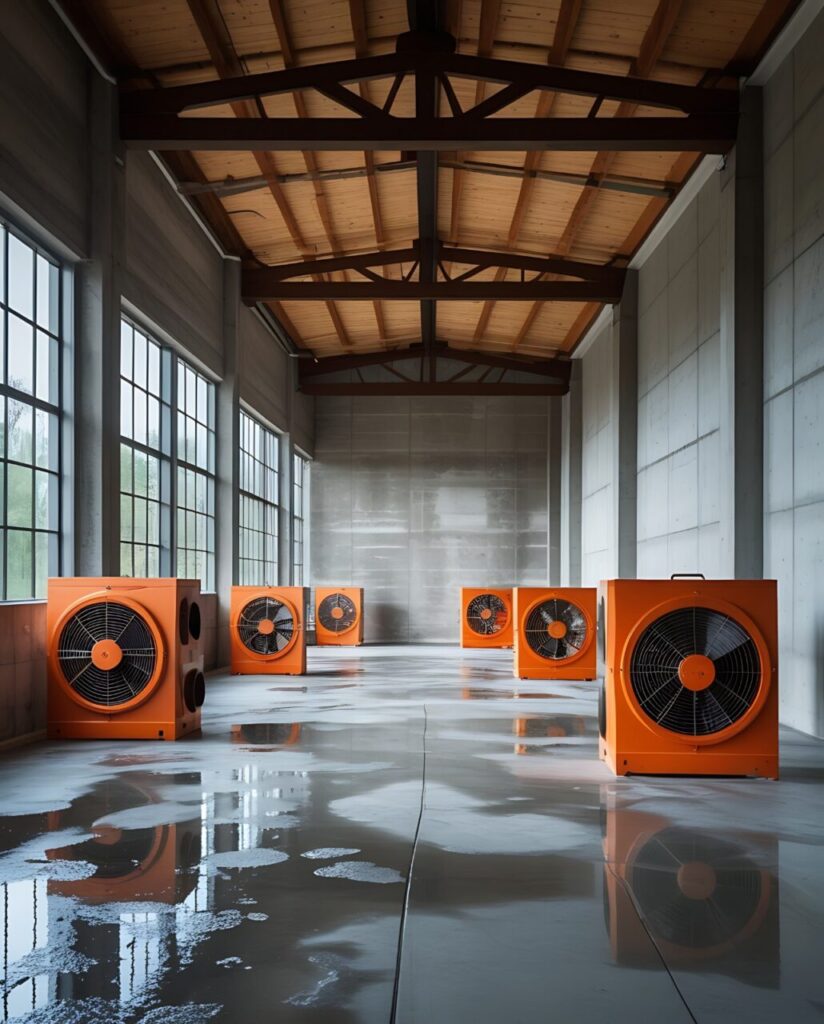
You’ll notice that advanced equipment, such as industrial fans and dehumidifiers, can considerably decrease drying times compared to conventional approaches. This means less disruption to your daily routine and a quicker return to normalcy.
Embracing these professional techniques saves time and reinforces your commitment to restoring your environment effectively and efficiently.
Mold Prevention Strategies
To prevent mold growth effectively, it’s crucial to address moisture issues promptly and extensively. Professional drying techniques eliminate excess moisture and reduce the risk of mold spores spreading throughout your space. By employing advanced moisture control methods, you create a healthier environment for yourself and your loved ones.
Investing in professional drying protects your property and fosters a sense of belonging and safety in your home.
Tools and Equipment for Effective Water Removal
Effective water removal relies heavily on the right tools and equipment to secure efficiency and thoroughness.
You’ll want to invest in high-quality water pumps that can quickly remove large volumes of water from affected areas. These pumps are essential for minimizing damage and preventing further complications.
Additionally, extraction vacuums play a critical role in removing residual moisture from carpets, upholstery, and other surfaces. They ensure that hidden water doesn’t linger, which could lead to mold growth.
By using these specialized tools, you’re expediting the drying process and safeguarding your environment.
Selecting the right equipment emphasizes your commitment to effective restoration, fostering a sense of belonging within a community that values proactive measures in water damage recovery.
The Role of Dehumidification in Restoration
After selecting the right tools for water removal, the next step in the restoration process involves implementing dehumidification techniques.
These methods are vital for effective moisture control, ensuring that remaining humidity doesn’t lead to further damage. You’ll want to utilize industrial dehumidifiers, which efficiently extract moisture from the air.
Effective moisture control is crucial; use industrial dehumidifiers to prevent further damage by efficiently extracting humidity from the air.
This process accelerates drying, prevents structural issues, and protects your belongings. By maintaining ideal humidity levels, you create an environment that minimizes the risk of secondary damage.
Regular monitoring of humidity levels during the dehumidification phase is essential to achieving successful restoration.
Ultimately, mastering these dehumidification techniques will enhance your ability to restore spaces effectively and foster a sense of security in your environment.
Preventing Mold Growth Through Proper Drying
While moisture removal is essential, proper drying techniques are equally important in preventing mold growth. By efficiently managing moisture control, you disrupt the mold lifecycle, inhibiting spores from thriving.
When surfaces remain wet, mold can flourish within 24 to 48 hours, causing extensive damage and health risks. Utilizing industrial fans, dehumidifiers, and heat sources can expedite drying processes, ensuring that all affected areas reach moisture levels below 20%.
Pay special attention to hidden spaces, such as behind walls or under carpets, where moisture can linger undetected. Regularly monitoring humidity levels and maintaining ideal airflow are key strategies for creating an environment that deters mold.
Prioritizing these drying methods fosters a healthier space for you and your community.
Long-term Effects of Inadequate Water Damage Repair
Inadequate water damage repair can lead to significant long-term consequences that extend beyond immediate structural issues. When you neglect proper remediation, you risk severe structural damage, as moisture can weaken foundational elements over time. This deterioration may not be apparent initially, but it can compromise your property’s integrity, leading to costly repairs down the line.
Additionally, inadequate drying creates an environment conducive to mold growth, which poses health risks to you and your family. Exposure to mold spores can trigger respiratory issues, allergies, and other serious health problems.
Frequently Asked Questions
How Do I Know if My Property Needs Water Extraction?
You can determine if your property needs water extraction by conducting a thorough property inspection. Look for visible moisture, water sources, or signs of damage. If detected, timely action can prevent further complications.
What Are the Signs of Hidden Water Damage?
You’ll notice signs of hidden water damage through unusual moisture detection, such as damp odors, peeling paint, or warped walls. Hidden leaks can lead to serious structural issues, so addressing them promptly is vital.
Can I Handle Water Extraction on My Own?
You can attempt DIY water extraction, but it’s risky. If you’re inexperienced, you might miss hidden damage, leading to more home damage later. Professional help ensures thorough extraction and effectively mitigates long-term issues.
How Long Does the Drying Process Typically Take?
The drying duration varies considerably, influenced by factors like humidity, temperature, and airflow. You’ll find that a well-ventilated area speeds up the process, creating a more comfortable environment for you and your belongings.
What Should I Do While Waiting for Professionals?
While waiting for professionals, prioritize safety precautions like avoiding wet areas. Consider temporary fixes, such as using fans to promote airflow or placing towels to absorb excess moisture, ensuring a safer environment until help arrives.
Conclusion
Using effective water extraction and drying methods is crucial for protecting your property and health. Mold can start to grow in as little as 24 to 48 hours after water exposure. By acting quickly with professional techniques, you can greatly reduce restoration times and safeguard your building materials. Investing in advanced tools and dehumidification prevents mold growth and ensures a safer, healthier living environment for you and your family.