
Table of Contents
This statistic highlights the importance of taking immediate action to prevent mold infestations. Implementing effective mold prevention strategies can save you from costly repairs and health issues. However, knowing where to start and what steps to take can be overwhelming. Let’s explore the five best mold prevention tips that can help protect your home post-flooding.
Key Takeaways
- Remove standing water immediately to prevent mold growth and use pumps for efficient extraction.
- Dry and ventilate affected areas by opening windows and using fans to enhance air circulation.
- Utilize dehumidifiers to keep humidity below 60% and run them continuously during the drying process.
- Clean and disinfect surfaces with EPA-approved products to eliminate mold spores and bacteria.
- Regularly inspect your home for moisture and mold signs, particularly in damp areas like basements and bathrooms.
Remove Standing Water Quickly
As soon as floodwaters recede, it’s crucial to remove standing water quickly to prevent mold growth. The longer water lingers, the higher the risk of mold establishing itself in your home.
Begin with efficient water extraction methods, utilizing pumps or wet vacuums to eliminate excess moisture. This initial step greatly reduces the potential for mold spores to thrive.
Once you’ve extracted standing water, conduct a thorough mold assessment. Inspect affected areas meticulously, checking for any signs of water damage or mold growth.
This assessment allows you to identify potential problem spots before they escalate into larger issues.
Dry and Ventilate Affected Areas
Drying and ventilating affected areas is essential to thwart mold growth after a flood. You need to act quickly to guarantee proper air circulation and moisture control.
Here are three effective steps you can take:
Open Windows and Doors: This allows fresh air to flow in, reducing humidity levels and promoting faster drying.
Use Fans: Position fans in strategic locations to enhance air circulation. Directing airflow towards wet surfaces accelerates evaporation.
Remove Wet Materials: Take out soaked carpets, furniture, and other porous items. The less moisture lingering, the lower your risk of mold.
Use Dehumidifiers and Air Purifiers
To effectively combat mold growth after flooding, using dehumidifiers and air purifiers can be crucial in controlling indoor humidity and improving air quality.
Start by adjusting your dehumidifier settings to maintain a level below 60% humidity, as this can greatly inhibit mold development. Running it continuously during the drying period will help extract excess moisture from the air.
Additionally, consider the various air purifier types available. HEPA filters are particularly effective at capturing mold spores and other allergens, guaranteeing you breathe cleaner air.
Place the air purifiers in rooms that were most affected by flooding to maximize their impact.
Combining these devices not only helps prevent mold but also creates a more comfortable living environment.
Stay vigilant and check your equipment regularly to verify they’re functioning at their best, as proactive measures will foster a healthier home for you and your family.
Clean and Disinfect Surfaces Thoroughly
Once floodwaters recede, it’s crucial to clean and disinfect all affected surfaces promptly to prevent mold growth and assure a safe environment.
Effective surface cleaning can protect your home and your loved ones. Here are three key steps to follow:
Remove Debris: Clear away any mud, dirt, or debris from surfaces before cleaning. This allows disinfecting agents to work effectively.
Use Appropriate Disinfecting Agents: Choose EPA-approved disinfectants to kill mold spores and bacteria. Always follow the instructions on the label for ideal results.
Thoroughly Dry Surfaces: After cleaning, make sure to dry all surfaces completely. Moisture encourages mold growth, so use fans or dehumidifiers if necessary.
Inspect and Maintain Regularly
Regular inspections and maintenance are essential in preventing mold growth after a flood. By conducting routine checks around your home, you can identify potential mold hotspots before they become serious issues.
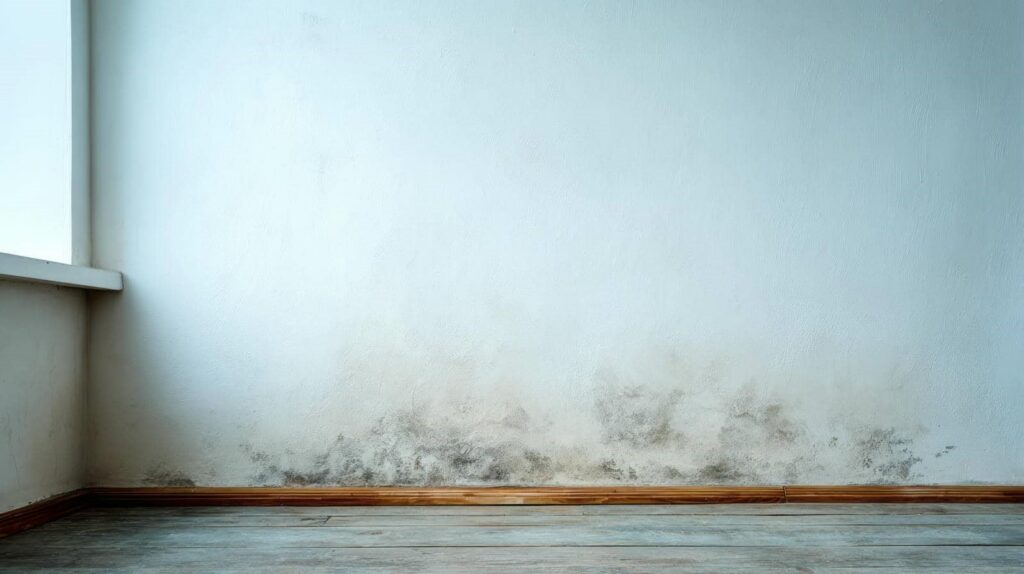
Start with a thorough mold assessment of areas prone to dampness, such as basements, bathrooms, and under sinks. Look for signs of moisture, discoloration, or a musty odor, which could indicate hidden mold growth.
Schedule these checks at least monthly, especially during humid seasons. Inspect roofs, gutters, and drainage systems to guarantee water isn’t pooling near your foundation.
If you find any mold or moisture, act quickly to address it—this may involve cleaning, drying, or even hiring professionals for more extensive issues.
Maintaining a consistent schedule for inspections fosters a sense of control and belonging in your living space, ultimately keeping your home safe and healthy for you and your loved ones.
Frequently Asked Questions
How Long Does It Take for Mold to Start Growing After Flooding?
Mold growth can begin as quickly as 24 to 48 hours after flood damage occurs. It’s essential you act promptly to mitigate moisture, as delaying cleanup only increases the risk of extensive mold infestation.
Can Mold Grow in Hidden Areas Like Walls or Ceilings?
Mold’s like a sneaky thief, hiding in plain sight. Yes, it can grow in hidden areas like walls and ceilings. Regular wall inspections are essential to catch hidden mold before it becomes a bigger problem.
What Are the Health Risks Associated With Mold Exposure?
Mold exposure can lead to various health effects, including respiratory issues, skin irritation, and allergic reactions. You might experience mold symptoms like coughing, sneezing, or headaches, which can greatly impact your overall well-being and quality of life.
Is Professional Mold Remediation Necessary After Flooding?
Yes, professional mold remediation’s often necessary after flooding. They guarantee thorough mold removal, reducing health risks. Plus, many insurance policies cover these services, making it a practical choice for your safety and peace of mind.
How Can I Identify Mold if I Can’t See It?
You can identify mold even when it’s hidden by using mold detection techniques like checking for musty odors, water stains, or increased humidity. Be alert for hidden mold signs, as they often indicate underlying issues.
Summary
To summarize, preventing mold after flooding is like fortifying a castle against invaders. By quickly removing standing water, drying areas effectively, and using dehumidifiers and air purifiers, you can safeguard your home. Don’t forget to clean surfaces thoroughly and conduct regular inspections to catch any issues early. Implementing these strategies not only protects your property but also guarantees a healthier living environment. Stay vigilant, and you’ll keep mold at bay for good.