
Table of Contents
Imagine a sponge left in water too long; it starts to grow mold. After flooding, your home can become that sponge if you don’t act swiftly. Mold thrives in damp conditions, so it’s vital to remove water within 24 to 48 hours. But what steps should you take next to guarantee your space remains safe and healthy? Understanding the right processes is essential to prevent mold’s unwelcome return.
Key Takeaways
- Remove standing water within 24-48 hours to prevent mold growth and ensure a safe environment.
- Use dehumidifiers and fans to maintain humidity levels between 30-50% for effective mold prevention.
- Clean and disinfect all surfaces with mold-killing agents to eliminate any potential spores.
- Regularly monitor indoor humidity with hygrometers and inspect for signs of moisture or mold.
- Ensure proper drainage systems are functioning to prevent future water accumulation and mold development.
Act Quickly to Remove Water
When a flood strikes, it’s crucial to act quickly to remove water from your home—ideally within 24 to 48 hours. The longer you wait, the greater the risk of mold growth, which can lead to health issues and costly repairs.
Begin your flood response by evaluating the situation and prioritizing safety; turn off electricity and avoid wading in deep water.
Once it’s safe, use pumps, wet vacuums, or mops to remove standing water. Every minute counts, so gather a team of friends or family to expedite the water removal process. If you’re overwhelmed, consider hiring professionals who specialize in flood damage.
Document the damage for insurance claims, and remember to discard any items that can’t be thoroughly cleaned.
Dry Out the Affected Area
To effectively prevent mold, you need to dry out the affected area quickly.
Start by removing any standing water, as this is essential in curbing mold growth.
Then, increase air circulation by opening windows and using fans to facilitate the drying process.
Remove Standing Water
Removing standing water is vital in preventing mold growth after flooding. Start by evaluating the affected area and utilizing effective water extraction methods.
If you have access to a pump, use it to remove large volumes of water quickly. For smaller areas, wet vacuums can be highly effective.
Confirm your drainage systems are functioning properly to prevent future water accumulation. Once the majority of the water is gone, check for hidden pockets of moisture that may linger, as these can create an ideal environment for mold.
Act promptly, as time is critical; mold can begin to develop within 24-48 hours. By addressing standing water quickly, you’ll greatly reduce the likelihood of mold issues in your home.
Increase Air Circulation
Increasing air circulation is vital for drying out affected areas and preventing mold growth after flooding. By employing effective airflow techniques and ventilation strategies, you can greatly reduce moisture levels.
Here are some practical steps you can take:
- Open windows and doors to create cross-ventilation.
- Use fans to promote air movement in enclosed spaces.
- Dehumidifiers can help absorb excess moisture from the air.
- Keep interior doors open to enable airflow between rooms.
These strategies not only enhance drying but also foster a healthier environment.
Use Dehumidifiers and Fans
Using dehumidifiers and fans is essential for creating ideal drying conditions in areas affected by flooding.
These tools effectively reduce moisture levels, minimizing the risk of mold growth.
Optimal Equipment Usage
As you tackle the aftermath of flooding, employing dehumidifiers and fans becomes essential in preventing mold growth.
Using the right equipment not only helps you dry out your space but also protects any mold-resistant materials you’ve installed. Maintain your equipment regularly to guarantee peak performance.
Here are some key points to take into account:
- Place dehumidifiers in the most affected areas for maximum moisture absorption.
- Use fans to improve air circulation, helping to speed up the drying process.
- Monitor humidity levels; aim for 30-50% to inhibit mold growth.
- Clean and maintain your equipment to ensure it operates effectively.
Ideal Drying Conditions
Achieving ideal drying conditions is essential for preventing mold after flooding, especially when you strategically deploy dehumidifiers and fans.
First, utilize dehumidifiers to maintain proper humidity control, ideally keeping levels below 60%. This helps eliminate excess moisture that fosters mold growth.
Next, position fans to circulate air effectively, enhancing evaporation through various drying techniques. Make sure to direct airflow towards wet surfaces, as this speeds up the drying process.
Monitor your environment consistently; if humidity levels rise, adjust your dehumidifier settings accordingly.
By combining these methods, you create an inhospitable environment for mold, ensuring your space remains healthy and safe.
Clean and Disinfect Surfaces
After a flood, it’s crucial to clean and disinfect surfaces thoroughly to prevent mold growth.
You’ll want to use effective cleaning agents and proper disinfecting techniques to guarantee you eliminate any potential spores.
Here are some key steps to follow:
- Start by removing any visible dirt or debris from surfaces.
- Use a mixture of water and a suitable cleaning agent, such as bleach or a commercial mold remover, to scrub affected areas.
- Rinse surfaces with clean water to remove any residue from the cleaning agent.
- Finally, apply a disinfectant specifically designed to kill mold spores and allow it to sit for the recommended time before rinsing.
Monitor for Moisture and Mold Growth
To effectively prevent mold growth, it’s essential to continuously monitor for moisture and any signs of mold after a flood. Start by implementing moisture monitoring techniques, such as using hygrometers to measure humidity levels in your home. Aim to keep indoor humidity below 50% to discourage mold growth.
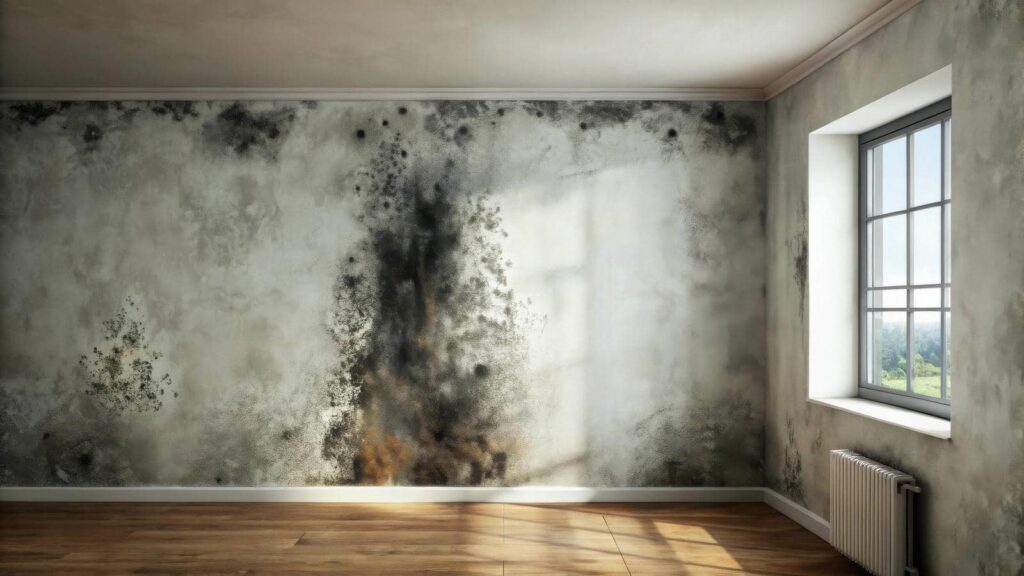
Regularly inspect areas prone to dampness, like basements and crawl spaces, for any visible signs of mold detection. If you spot discoloration or a musty smell, act quickly to address the issue.
Additionally, check for leaks in plumbing and roofing, as these can contribute to excessive moisture. Make it a habit to conduct these checks frequently, especially in the weeks following a flood.
Consider Professional Mold Remediation
Even with vigilant monitoring for moisture and mold growth, some situations may require professional intervention. If you notice persistent mold or moisture issues, it’s wise to contemplate hiring mold specialists. They’re equipped with the expertise and tools to tackle complex mold problems effectively.
Here’s why professional mold remediation can be beneficial:
Thorough Inspection: Mold specialists can identify hidden mold that you might miss.
Advanced Remediation Techniques: They use specialized methods to remove mold safely and prevent future growth.
Health Protection: Professionals guarantee the removal process minimizes health risks associated with mold exposure.
Comprehensive Solutions: They can address underlying moisture issues, providing long-term peace of mind.
Investing in professional help can save you time, stress, and potentially costly repairs down the line.
Don’t hesitate to reach out if you find yourself overwhelmed by mold challenges after a flood.
Frequently Asked Questions
How Long Does It Take for Mold to Develop After Flooding?
Mold typically starts developing within 24 to 48 hours after flooding. To minimize risks, follow flood recovery tips like drying out areas quickly and maintaining low humidity levels, ensuring a safer environment for everyone involved.
Can I Use Bleach to Kill Mold After Flooding?
You can use bleach for mold remediation, but its effectiveness is limited to non-porous surfaces. For porous materials, consider using specialized mold removers to guarantee thorough cleaning and prevent regrowth, maintaining a healthier environment.
What Materials Are Most Susceptible to Mold Growth?
Wood products and carpet fibers are most susceptible to mold growth. If these materials absorb moisture, they create ideal conditions for mold spores to thrive, so you should act quickly to mitigate any potential damage.
Is It Safe to Stay in a House After Flooding?
Staying in a flooded house’s like dancing with danger. Flood safety is essential; lingering can expose you to health risks from mold and contaminants. Prioritize your well-being—seek temporary shelter until it’s safe.
How Can I Tell if Mold Is Hidden Behind Walls?
To identify hidden mold behind walls, conduct a thorough wall inspection. Look for discoloration, dampness, or a musty smell. If you notice these signs, consider professional assistance to guarantee complete mold removal and prevention.
Final Thoughts
To effectively fend off fungi following flooding, focus on fast action and thorough drying. Don’t delay in draining dampness; every hour counts. Use dehumidifiers and drying devices diligently to reduce residual moisture. Regularly scrub surfaces and stay vigilant for signs of mold’s sneaky resurgence. By taking these proactive precautions, you can safeguard your space from the sinister spread of mold, ensuring a safe and sound sanctuary for you and your loved ones.