
Table of Contents
After flooding, it’s essential to act swiftly preventing mold growth in your home. Mold can develop rapidly in damp environments, so addressing water removal and moisture control is vital. There are several effective strategies to mitigate this risk, from drying out affected areas to monitoring humidity levels. Understanding these steps can greatly impact your living space. What follows are key tips that can help you safeguard your home against mold infestation.
Key Takeaways
- Act quickly to remove water within 24-48 hours to minimize mold growth risk.
- Thoroughly dry affected areas, including carpets and walls, using fans and dehumidifiers.
- Clean and disinfect all surfaces with mold-resistant solutions to eliminate spores.
- Inspect and repair any water-damaged materials promptly to prevent mold development.
- Regularly monitor indoor humidity levels, aiming for 30-50%, to create an unfavorable environment for mold.
Act Quickly to Remove Water
When flooding occurs, acting quickly to remove water is essential to minimize mold growth. Your flood response should prioritize swift water removal to protect your home and health.
Start by shutting off electricity and gas to prevent hazards. Use pumps, wet vacuums, or buckets to extract standing water efficiently. The sooner you begin this process, the less chance mold has to develop.
After removing visible water, make sure you address hidden areas that might retain moisture, such as carpets, walls, and furniture. Time is of the essence; mold can start to grow within 24-48 hours.
If you’re unsure about the best methods for effective water removal, consider reaching out to professionals. They can offer expert guidance and equipment to expedite your efforts.
Taking these steps not only safeguards your environment but also fosters a sense of community, as you share knowledge and support with others facing similar challenges.
Dry Out Affected Areas Thoroughly
Thoroughly drying out affected areas is essential in preventing mold growth after flooding.
To effectively control moisture and promote air circulation, follow these steps:
Remove standing water: Use pumps or wet vacuums to eliminate any lingering water from floors and surfaces.
Open windows and doors: Allow fresh air to flow through, enhancing air circulation and speeding up the drying process.
Use fans: Position fans strategically to improve airflow in the affected areas, which will help evaporate moisture more quickly.
Inspect insulation and drywall: Check these materials, as they may retain moisture; remove or replace them if necessary.
Use Dehumidifiers to Control Humidity
To effectively prevent mold after flooding, maintaining ideal humidity levels is essential.
You should strategically place dehumidifiers in affected areas to maximize their efficiency.
Regular maintenance of these devices guarantees they operate effectively, helping you control moisture levels and reduce mold risk.
Optimal Humidity Levels
How can you effectively maintain ideal humidity levels after flooding? Achieving optimal humidity control is vital in preventing mold growth. Here are four steps you can take:
Use a hygrometer to monitor moisture measurement in your home; aim for 30-50% humidity.
Run dehumidifiers consistently, especially in damp areas, to extract excess moisture from the air.
Ventilate spaces by opening windows and using fans to promote air circulation.
Seal leaks in windows and doors to prevent outside humidity from entering.
Placement of Dehumidifiers
While you may think placing a dehumidifier anywhere in your home will suffice, strategic placement is essential for maximizing its effectiveness in controlling humidity levels.
Start by positioning your dehumidifier in the most affected areas, such as basements or rooms with poor ventilation. Avoid corners or enclosed spaces, as these can hinder airflow.
For ideal settings, make sure the unit is raised off the ground on a stable surface to enhance air circulation. You should also keep doors and windows closed while it’s running to prevent outside moisture from entering.
Regularly check the water reservoir and adjust the humidity settings based on your home’s needs.
With thoughtful dehumidifier placement, you’ll effectively reduce humidity and minimize the risk of mold growth.
Regular Maintenance Tips
Maintaining your dehumidifier is essential for effectively controlling humidity levels in your home and preventing mold growth.
Regular upkeep is a key part of your preventive measures. Here are four tips to guarantee your dehumidifier operates efficiently:
Clean the filter: Regularly check and clean or replace the filter to maintain airflow.
Empty the tank: Don’t let the water tank overflow; empty it routinely to prevent mold.
Inspect drainage: Confirm the drainage system is clear and functioning properly.
Monitor humidity levels: Use a hygrometer to keep tabs on indoor humidity, aiming for 30-50%.
Clean and Disinfect Surfaces
After a flood, it’s vital to clean and disinfect surfaces to prevent mold growth.
Start by removing any contaminated materials and follow up with appropriate cleaning solutions to guarantee effectiveness.
Finally, make certain you use proper drying techniques to eliminate moisture, which is essential in mold prevention.
Remove Contaminated Materials
Once you’ve assessed the damage and documented the affected areas, it’s crucial to remove contaminated materials promptly to minimize the risk of mold growth.
Here’s how you can effectively handle mold removal:
Identify Contaminated Items: Look for items that have been exposed to floodwaters, like carpets and drywall.
Dispose of Non-Salvageable Materials: Safely discard items that can’t be cleaned or dried, such as soaked insulation.
Seal and Bag: Use plastic bags to seal contaminated items before disposal to prevent the spread of mold spores.
Clean Salvageable Items: For items you can save, make sure they’re thoroughly cleaned and dried.
Use Appropriate Cleaning Solutions
With contaminated materials removed, the next step involves using appropriate cleaning solutions to effectively clean and disinfect surfaces affected by flooding.
Start by selecting mold resistant products that are specifically designed to eliminate mold spores and prevent future growth. Common cleaning techniques include using a mixture of water and detergent, followed by a disinfectant, ensuring you cover all surfaces thoroughly.
Pay special attention to areas with visible mold or dampness, as they require extra care. Always follow the manufacturer’s instructions for any cleaning solution you choose, as proper dilution is essential for effectiveness.
Ensure Proper Drying Techniques
To effectively prevent mold growth, ensuring proper drying techniques is essential immediately after flooding.
Start by performing a thorough moisture assessment to identify all affected areas.
Then, follow these steps:
Use High-Quality Drying Equipment: Invest in dehumidifiers and fans to expedite the drying process.
Remove Water-logged Materials: Discard any porous items that can’t be dried, like carpets or drywall.
Ventilate the Space: Open windows and doors to enhance airflow and reduce humidity.
Monitor Humidity Levels: Regularly check humidity with a hygrometer, aiming for levels below 60%.
Inspect and Repair Water-Damaged Materials
After a flood, it’s crucial to thoroughly inspect and repair any water-damaged materials in your home to prevent mold growth.
Start with a detailed mold assessment to identify affected areas. Pay close attention to drywall, insulation, and flooring, as these materials can absorb water and promote mold development. If you find materials that are saturated and unable to dry out, consider material replacement. This proactive step can save you from more extensive repairs down the line.
Be diligent in your inspection; even minor damage can lead to significant mold issues later.
Check for discoloration, warping, or musty odors, which are signs of hidden damage. If you’re unsure about the extent of the damage, consult a professional for an expert evaluation.
Ventilate Spaces to Improve Airflow
Once you’ve inspected and repaired water-damaged materials, it’s time to focus on ventilation to improve airflow throughout your home.
Effective air circulation is essential for humidity control, helping to prevent mold growth. Here are four key steps to enhance ventilation:
Open Windows and Doors: Allow fresh air to flow in and stale air to exit, which helps reduce humidity levels.
Use Fans: Position fans strategically to promote airflow in affected areas, aiding in drying out damp spaces.
Install Ventilation Systems: Consider using exhaust fans in bathrooms and kitchens to expel moisture directly outside.
Dehumidifiers: Invest in dehumidifiers to maintain ideal humidity levels, ideally between 30-50%.
Monitor for Signs of Mold Growth
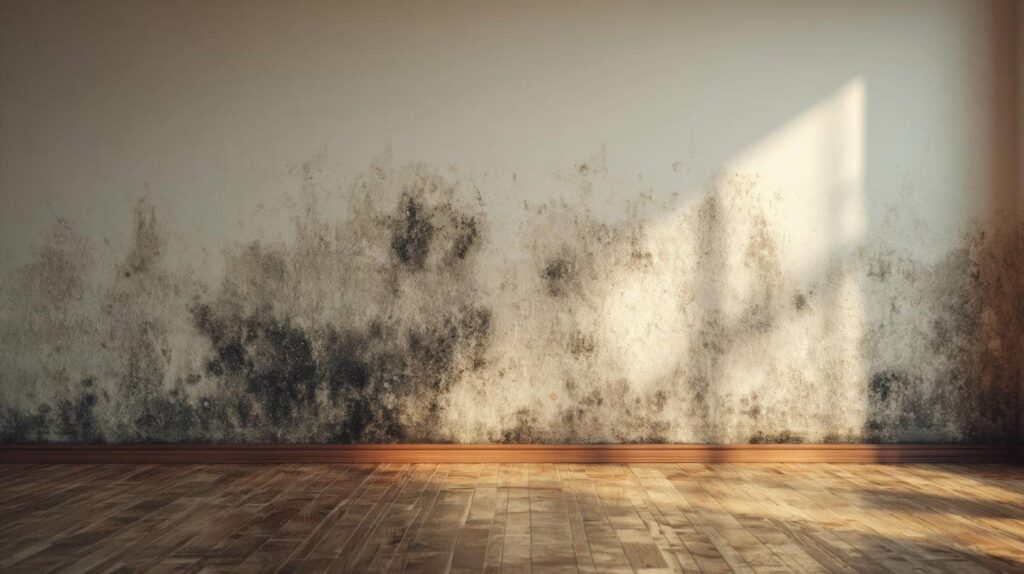
How can you effectively monitor for signs of mold growth after flooding? Start by regularly inspecting areas that were affected by water, such as basements, ceilings, and behind walls. Look for discoloration, musty odors, or any visible mold patches.
Utilizing mold detection kits can help you identify hidden growth that mightn’t be immediately visible. Pay attention to damp spots or water stains, as these can indicate ongoing moisture issues, which increase health risks related to mold exposure.
It’s essential to keep track of the humidity levels in your home. Using a hygrometer, you can verify levels stay below 60%.
If you notice any signs of mold, act quickly to remove it, as prolonged exposure can lead to serious health issues like respiratory problems. By staying vigilant and proactive, you can create a safer living environment for yourself and your loved ones.
Frequently Asked Questions
How Long Does It Take for Mold to Develop After Flooding?
Mold can start developing within 24 to 48 hours after flooding. To effectively manage this mold growth timeline, follow flood recovery tips like drying out spaces promptly and maintaining proper ventilation to reduce moisture levels.
Can I Use Bleach to Clean Moldy Surfaces?
Yes, you can use bleach to clean moldy surfaces, but its effectiveness varies by surface type. Non-porous materials respond better, while porous surfaces may retain spores. Always follow safety guidelines and guarantee proper ventilation when using bleach.
What Are the Health Risks Associated With Mold Exposure?
Mold exposure can lead to various health risks, including mold symptoms like coughing, sneezing, and respiratory issues. If you notice these reactions, it’s essential to address the situation promptly to protect your health and well-being.
Should I Hire a Professional for Mold Removal?
Sure, you can tackle mold removal yourself, but why not make it harder? Hiring professional services guarantees thoroughness and safety, plus you get peace of mind knowing experts handle potential health risks and hidden issues effectively.
How Can I Prevent Mold in My Home Long-Term?
To prevent mold long-term, focus on moisture control. Keep humidity below 50%, use dehumidifiers, and guarantee proper ventilation. Regularly inspect areas prone to dampness, and promptly address leaks to enhance your mold prevention efforts.
Wrap-Up
Preventing mold after flooding is vital for your health and safety. While some believe that simply drying surfaces is enough, it’s essential to combine thorough drying with effective cleaning and humidity control. Neglecting hidden moisture can lead to mold’s rapid growth, often unnoticed until it becomes a larger issue. By following the tips outlined, you’ll not only safeguard your home but also create a healthier living environment. Stay vigilant, and don’t hesitate to seek professional help if needed.