
Table of Contents
Most people underestimate the complexities involved in sewage water extraction and repair. It’s not just about removing water; it involves a systematic approach to ensure safety and prevent health hazards. To effectively handle such situations, you’ll need to follow a series of critical steps. Understanding these steps can make all the difference in restoring your space while safeguarding against future problems. Let’s explore the essential actions you should take.
Key Takeaways
- Conduct a thorough damage assessment and prioritize safety with appropriate PPE before starting the extraction process.
- Use pumps and wet vacuums to efficiently extract sewage water from the affected area.
- Clean and sanitize all impacted surfaces with hot water, detergent, and chemical sanitizers to eliminate contaminants.
- Implement effective drying techniques, including air movers and dehumidifiers, to prevent mold growth after cleaning.
- Schedule professional inspections and maintenance for drains and septic systems to prevent future sewage issues.
Assessing the Damage
When you encounter sewage water damage, the first step is to evaluate the extent of the damage to prevent further complications. Conducting a thorough damage assessment is essential.
Begin by identifying the affected areas, noting any visible signs of contamination and structural compromise. Utilize moisture evaluation tools like hygrometers to measure humidity levels, ensuring you identify hidden moisture that could lead to mold growth or structural issues later.
Inspect materials such as drywall, flooring, and insulation, as these can absorb sewage water, increasing the risk of contamination. Document all findings, as this will help in strategizing the next steps for cleanup and repairs.
Engaging with professionals at this stage can provide additional insights, ensuring you address all aspects of the damage effectively. By taking these steps, you’ll mitigate immediate hazards and foster a safer environment for yourself and others involved.
Ensuring Safety Precautions
When handling sewage water, you must prioritize safety by using appropriate personal protective equipment (PPE) such as gloves, masks, and goggles.
Ensure proper ventilation and airflow in the work area to mitigate harmful fumes and pathogens.
Taking these precautions will considerably reduce health risks during the extraction and repair process.
Personal Protective Equipment
Personal Protective Equipment (PPE) plays a critical role in safeguarding you during sewage water extraction and repair operations.
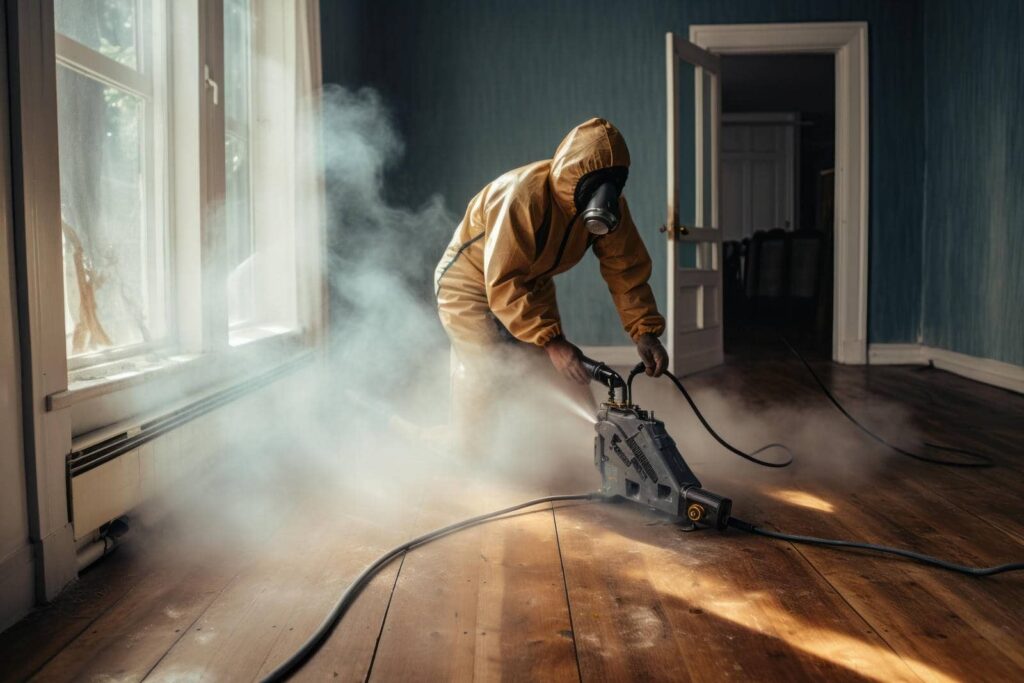
To ensure your safety, always wear safety goggles to protect your eyes from hazardous splashes and debris. Equip yourself with durable protective gloves that resist chemicals and punctures, shielding your hands from harmful contaminants.
A respirator mask is essential for filtering out toxic fumes and pathogens in the air, allowing you to breathe safely while you work. Additionally, waterproof clothing protects your skin from contact with sewage and keeps you dry during the extraction process.
Ventilation and Airflow
Proper ventilation and airflow are vital for maintaining a safe working environment during sewage water extraction and repair. You need to ensure adequate air quality to minimize exposure to harmful contaminants.
Start by opening windows and using exhaust fans to facilitate airflow. Consider using air scrubbers to filter out airborne pollutants, which can help improve the overall air quality.
Moreover, moisture control is critical to prevent mold growth and structural damage. Employ dehumidifiers to maintain ideal humidity levels.
Regularly monitor conditions and adjust airflow as necessary. By prioritizing ventilation and airflow, you protect yourself and your team and contribute to a healthier environment, fostering a sense of belonging in a safe workspace.
Extracting Sewage Water
Extracting sewage water requires a systematic approach to ensure safety and efficiency. Proper sewage removal is essential to prevent health risks and further damage.
Here’s how to tackle water extraction effectively:
Assess the Area: Identify the extent of the contamination and the source of the sewage. This helps in planning your extraction strategy.
Gather Equipment: Use appropriate tools like pumps, wet vacuums, and protective gear. Verify everything’s in good working condition to facilitate effective water extraction.
Implement Extraction: Start the sewage removal process by removing standing water. Work from the highest point to the lowest to ensure thorough extraction.
Monitor Conditions: Keep an eye on the area for any lingering odors or moisture. This confirms you’ve removed all sewage effectively.
Cleaning and Sanitizing Affected Areas
Once you’ve successfully extracted the sewage water, it’s vital to clean and sanitize the affected areas to eliminate harmful pathogens and prevent future contamination.
Begin by removing any debris and thoroughly scrubbing surfaces with a mixture of hot water and detergent. This step prepares the surfaces for effective disinfection.
Next, apply chemical sanitizers according to the manufacturer’s instructions, making sure you cover all impacted areas. Pay special attention to porous materials, as they may retain contaminants.
Use appropriate disinfecting techniques, such as fogging or spraying, to ensure even coverage.
Allow the sanitizers to sit for the recommended contact time to maximize their effectiveness. Afterward, rinse surfaces with clean water if necessary.
Finally, inspect the area to confirm that all residues are removed and that the environment is safe for re-entry. Following these steps diligently is vital to restoring your space and maintaining a healthy environment.
Drying and Dehumidifying
Once you’ve cleaned and sanitized the affected areas, the significance of drying can’t be overstated.
Effective dehumidification techniques are essential to prevent mold growth and structural damage. You must implement these methods promptly to ensure a safe and dry environment.
Importance of Drying
Effective drying and dehumidifying are essential steps in mitigating the damage caused by sewage water exposure.
The importance of moisture control can’t be overstated; it prevents mold growth and structural damage.
When you’re selecting drying equipment, consider the following:
- Air Movers: They enhance airflow, speeding up the drying process.
- Dehumidifiers: They extract moisture from the air, maintaining ideal humidity levels.
- Heating Equipment: It raises temperatures to facilitate faster evaporation.
- Moisture Meters: These tools help you monitor moisture levels effectively.
Effective Dehumidification Techniques
How can you ensure ideal dehumidification in a sewage water extraction scenario?
Start by selecting the right dehumidifier types based on your space and moisture level. For large areas, consider industrial dehumidifiers, while smaller spaces may benefit from portable units.
Next, verify proper airflow by positioning fans strategically to facilitate moisture control.
Monitor humidity levels using hygrometers to determine when to adjust dehumidifier settings.
In addition, seal off affected areas to prevent outside moisture from interfering with your efforts.
Regularly check and empty the dehumidifier’s reservoir to maintain efficiency.
Repairing Structural Damage
As you assess the extent of structural damage caused by sewage water, it’s essential to prioritize repairs that restore the integrity of your property.
Addressing these issues promptly ensures long-term solutions that protect your investment and provide a safe environment.
Inspect all affected areas: Begin with a thorough examination of walls, floors, and foundations to identify hidden damage.
Remove contaminated materials: Safely dispose of any irreparable materials, such as drywall or insulation, to prevent health risks.
Reinforce structures: Use appropriate materials, like treated wood or steel, to restore structural integrity where damage is severe.
Consult professionals: Engage with structural engineers or restoration specialists to confirm repairs meet safety standards and best practices.
Preventing Future Issues
To prevent future issues related to sewage water damage, it’s crucial to implement proactive measures that address potential vulnerabilities in your property.
Start with regular routine maintenance of your plumbing systems. Inspect pipes for leaks and signs of corrosion, and replace any worn-out components promptly.
Utilizing effective sewage prevention methods, like installing backflow valves, can considerably reduce the risk of sewage backup during heavy rains.
Keep gutters and drains clear of debris to maintain proper water flow.
Educate everyone in your household about what should and shouldn’t go down the drains; avoid flushing items that can cause blockages.
Regularly monitor your septic system, if applicable, and schedule professional inspections as needed.
Frequently Asked Questions
How Long Does the Sewage Extraction Process Typically Take?
Sewage extraction timeframes typically range from a few hours to a couple of days, depending on the severity of the situation and process efficiency. You’re encouraged to consult professionals for accurate assessments tailored to your needs.
What Are the Costs Associated With Sewage Water Extraction?
“An ounce of prevention’s worth a pound of cure.” Sewage removal costs can vary greatly, often ranging from $1,000 to $5,000, depending on the extent of water damage expenses and necessary repairs to restore your property.
Can I Handle Sewage Extraction Myself?
You can handle sewage extraction yourself, but prioritize safety precautions. DIY methods can be effective, yet make certain you’re equipped with proper gear and knowledge. If unsure, it’s wise to consult professionals for assistance.
What Health Risks Are Associated With Sewage Exposure?
Sewage exposure poses significant health hazards, including gastrointestinal issues, respiratory problems, and skin irritations. You might experience exposure symptoms like nausea, vomiting, or fever, so it’s essential to take precautions to protect your health.
Will Insurance Cover Sewage Water Damage Repairs?
Yes, insurance policies often cover sewage water damage repairs, but you’ll need to check your specific coverage limits. Make certain you understand your policy details to ensure you’re adequately protected against potential damages.
Recap
Addressing sewage water issues is like steering through a stormy sea—you need a steady hand and a clear plan. By following these seven steps, you restore your space and safeguard it against future floods. Remember, regular inspections and maintenance are your anchors, keeping your system secure and functional. Stay proactive, and you’ll keep the waters calm, ensuring a safe and clean environment for everyone.