
Table of Contents
When facing mold cleanup after flooding, evaluating the damage, ensuring safety, and acting quickly are essential steps. Each moment counts, and neglecting these can lead to more severe issues. You’ll need to wear protective gear, remove standing water, and ventilate the area effectively. But knowing how to clean and disinfect surfaces properly is just as important. Are you prepared to tackle the ongoing challenge of monitoring mold growth and preventing future outbreaks?
Key Takeaways
- Assess the damage and safety by identifying affected areas and wearing protective gear before starting cleanup.
- Quickly remove excess water using pumps or wet vacuums to minimize moisture and mold risk.
- Ventilate the affected area by opening windows and using fans to enhance airflow and reduce humidity.
- Clean and disinfect surfaces with appropriate solutions, scrubbing, and allowing cleaners to sit before rinsing.
- Monitor for mold growth regularly and maintain indoor humidity levels below 60% to prevent future issues.
Assessing the Damage and Safety Precautions
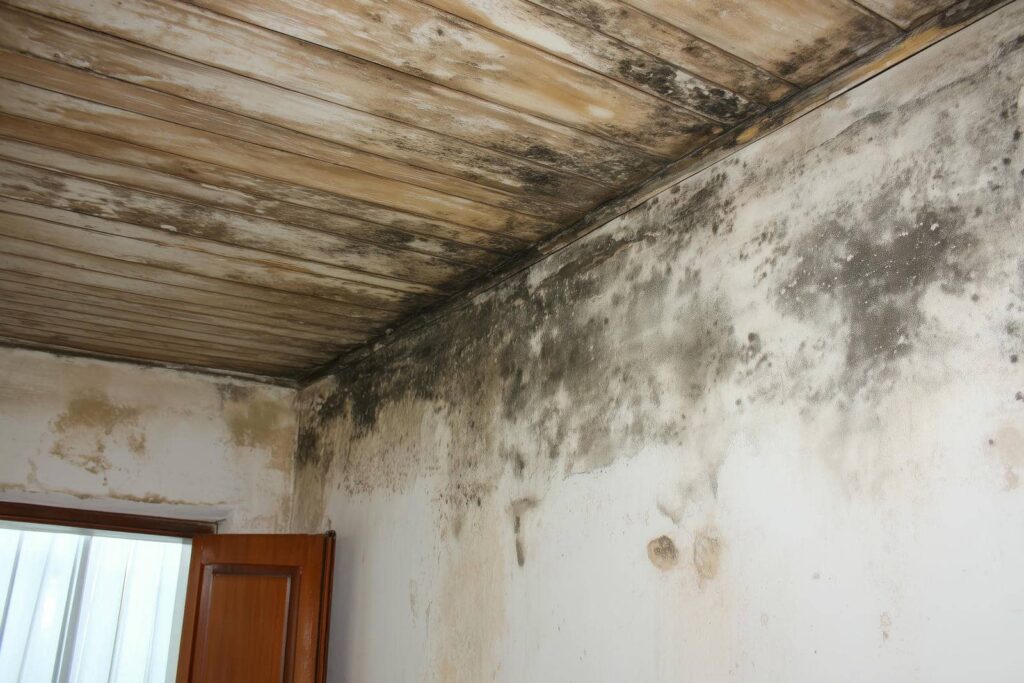
When you discover mold in your home, it’s crucial to evaluate the damage before diving into cleanup. Start by identifying the affected areas and noting the extent of the mold growth. A thorough damage evaluation helps you understand whether it’s a simple fix or if professional help is needed.
Next, prioritize safety measures. Wear protective gear like gloves, masks, and goggles to shield yourself from spores. Ensure proper ventilation by opening windows and using fans, but avoid creating airflow that could spread mold.
Remember to turn off HVAC systems to prevent contamination. By carefully evaluating the damage and taking appropriate safety precautions, you set the stage for effective cleanup, protecting both your health and your home.
Removing Excess Water Quickly
As soon as you’ve assessed the mold situation, removing excess water quickly becomes essential to prevent further growth and damage.
Start with effective water extraction methods, utilizing pumps or wet vacuums to eliminate standing water. The sooner you act, the less moisture lingers, reducing the risk of mold proliferation.
After initial extraction, employ dehumidification techniques to lower humidity levels in the affected area. Use dehumidifiers and fans strategically to enhance airflow and facilitate drying.
Monitor moisture levels regularly to ensure they remain within safe limits. This proactive approach aids in mold prevention and promotes a healthier environment.
Ventilating the Affected Area
To effectively combat mold growth, it’s important to ventilate the affected area promptly.
Begin by opening windows and doors to maximize air circulation. This step helps to disperse humid air, which is essential for moisture control.
If the weather permits, use fans to enhance airflow, directing them towards open windows to push damp air outside. Dehumidifiers can also be beneficial, as they draw excess moisture from the air, further reducing the likelihood of mold proliferation.
Remember, stagnant air creates an ideal environment for mold to thrive, so maintaining consistent air movement is crucial.
Cleaning and Disinfecting Surfaces
After ensuring proper ventilation, the next step is cleaning and disinfecting surfaces affected by mold. Use effective cleaning products like vinegar, hydrogen peroxide, or commercial mold removers. Employ disinfecting techniques such as scrubbing surfaces with a brush and allowing the cleaner to sit for several minutes before rinsing.
Monitoring for Mold Growth and Future Prevention
Monitoring for mold growth and implementing preventive measures is essential to maintaining a healthy living environment.
Regular mold detection should become a routine part of your home maintenance, especially in areas prone to moisture. Use humidity meters to keep indoor levels below 60%, and inspect hidden spaces like basements and crawl spaces frequently.
If you spot any signs of mold, tackle it immediately to prevent further spread. Additionally, ensure proper ventilation in bathrooms and kitchens, and consider using dehumidifiers during humid seasons.
These preventive measures can considerably reduce the risk of mold developing in the future. By staying vigilant and proactive, you protect your home and foster a sense of safety and belonging for you and your loved ones.
Frequently Asked Questions
What Personal Protective Equipment Is Recommended During Mold Cleanup?
During mold cleanup, you should wear respiratory protection like N95 masks and safety goggles to shield your eyes. These items help ensure your safety, allowing you to tackle the task with confidence and care.
How Can I Tell if Mold Is Toxic or Non-Toxic?
You’ll notice dark, fuzzy patches creeping along surfaces. To discern toxic from non-toxic mold, use identification methods like visual inspection and air testing, while watching for health symptoms such as headaches or respiratory issues.
Is It Safe to Use Bleach for Mold Cleanup?
Using bleach for mold removal isn’t always safe. It can create harmful fumes and may not effectively eliminate mold spores. Instead, consider using specialized cleaning solutions designed for mold cleanup to ensure safety and effectiveness.
Can I Use a Fan to Dry Out Moldy Areas?
You can definitely use a fan to enhance moldy area drying techniques! Fans boost fan effectiveness, ensuring moisture evaporates swiftly. Just remember, thorough cleaning’s essential—drying alone won’t completely eliminate mold. Stay proactive for a healthier space!
Should I Throw Away Contaminated Furniture or Can It Be Cleaned?
You can often clean contaminated furniture through thorough mold treatment, but restoration depends on the material’s integrity. Assess the damage carefully; if it’s too compromised, disposal might be the safer choice for your health.
Final Thoughts
Tackling mold after flooding requires swift and strategic action. By evaluating damage, swiftly removing water, ventilating spaces, and thoroughly cleaning surfaces, you can effectively mitigate mold growth. Just like a knight wouldn’t charge into battle without armor, you shouldn’t skip protective gear during cleanup. Regular monitoring and maintaining humidity below 60% ensure your home remains a safe haven. With these steps, you’re not just cleaning up; you’re fortifying your living space against future mold invasions.