
Table of Contents
Most people underestimate the risks involved in residential sewage cleanup, often overlooking hidden hazards like harmful bacteria and chemical contaminants. It’s fundamental to approach this situation methodically to guarantee your safety and that of others. Understanding the necessary steps, from evaluating the area to proper waste disposal, is essential. This knowledge could make a significant difference in how you handle the cleanup process effectively and safely. What comes next is critical for your protection and the integrity of your home.
Key Takeaways
- Conduct a thorough risk assessment to identify sewage, structural damage, and contamination sources before starting cleanup.
- Wear appropriate personal protective equipment (PPE) including N95 masks, heavy-duty gloves, and waterproof boots to ensure safety.
- Shut off utilities and contain the area to prevent further hazards and unauthorized access during the cleanup process.
- Remove contaminated materials using heavy-duty trash bags and follow local regulations for hazardous waste disposal.
- Consider hiring professionals for sewage cleanup to ensure thorough sanitation and compliance with local regulations.
Assess the Situation and Safety Hazards
Before you begin the cleanup process, it’s important to assess the situation and identify any safety hazards. Start by conducting a thorough risk assessment of the affected area.
Look for visible signs of sewage, structural damage, or potential sources of contamination. Hazard identification is vital; you’ll want to pinpoint risks like slippery surfaces, sharp objects, or harmful bacteria present in the sewage.
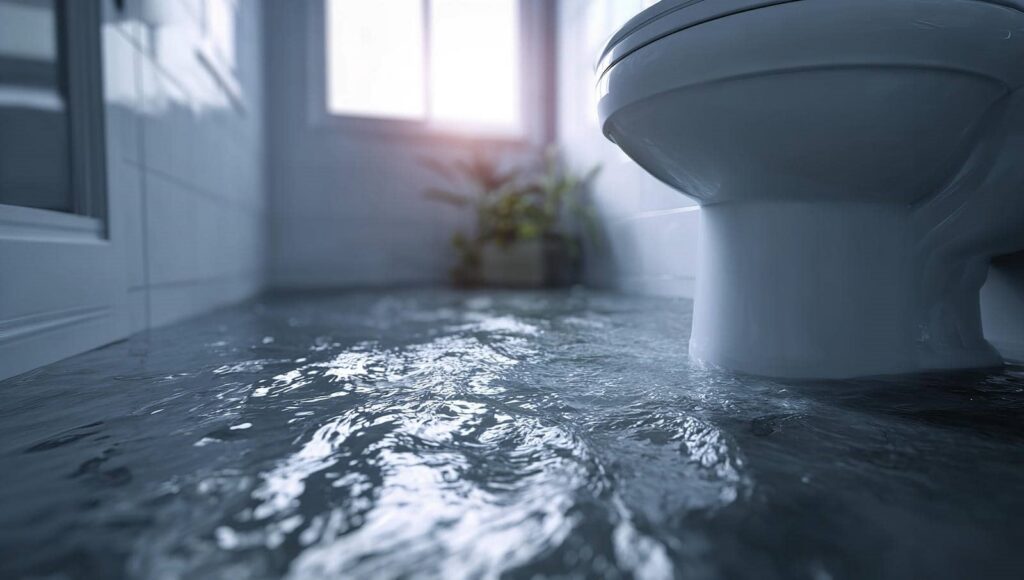
Take note of any standing water, which can lead to further complications such as electrical hazards or mold growth. Make sure you’re aware of the layout of the space and any potential escape routes in case conditions worsen.
Document your findings clearly, as this will guide your next steps and help guarantee a safe cleanup experience. By being proactive and vigilant, you create an environment that fosters safety and supports your well-being throughout the entire process.
Gather Necessary Personal Protective Equipment
Once you’ve assessed the situation and identified potential hazards, gathering the right personal protective equipment (PPE) is essential for guaranteeing your safety during the cleanup.
Using appropriate protective gear not only safeguards your health but also reinforces the importance of safety measures in hazardous environments.
Consider including the following items in your PPE kit:
- N95 respirator masks: They filter out harmful particles and protect your lungs from contaminants.
- Heavy-duty gloves: These provide protection against sharp objects and harmful substances.
- Waterproof boots: They keep your feet safe from sewage exposure and secure stability on slippery surfaces.
Equipping yourself with the right protective gear creates a safer environment for you and those around you.
It’s imperative to prioritize your safety while handling sewage cleanup, as neglecting these safety measures can lead to severe health risks.
Always remember, your well-being comes first.
Shut Off Utilities and Contain the Area
To guarantee safety during sewage cleanup, it’s crucial to shut off utilities and contain the affected area promptly.
First, locate your home’s main water supply and electrical circuit breaker. Turn off the water supply to prevent further flooding and switch off the electricity to mitigate electrocution risks. This swift action not only protects you but also safeguards your property’s integrity.
Next, use physical barriers, like plastic sheeting or caution tape, to contain the area. This prevents unauthorized access and keeps family members or pets away from potential hazards.
If possible, ventilate the space by opening windows, but avoid creating airflow that could spread contaminants.
Remove Contaminated Materials Properly
As you begin the process of removing contaminated materials, it’s essential to prioritize safety and efficiency. Proper removal techniques not only protect your health but also help prevent future issues. Here are key steps to take into account:
- Wear appropriate personal protective equipment (PPE) like gloves and masks.
- Use heavy-duty trash bags for disposal to contain contaminants securely.
- Verify you follow local regulations for hazardous waste disposal.
Start by carefully identifying and isolating the contaminated materials, including carpets, drywall, or furnishings.
Use tools like shovels and brooms for larger items, and remember to seal these materials tightly before disposal.
Avoid spreading contaminants during removal, and maintain a clean workspace.
Disinfect Affected Surfaces Thoroughly
After removing contaminated materials, it’s essential to disinfect the affected surfaces thoroughly.
Choose effective disinfectants that are specifically designed to eliminate pathogens associated with sewage.
Always follow safety guidelines to protect yourself while ensuring a proper cleanup.
Choose Effective Disinfectants
Choosing effective disinfectants is essential for guaranteeing that affected surfaces are thoroughly sanitized after a sewage cleanup.
Selecting the right disinfectant options not only promotes surface safety but also helps eliminate harmful pathogens. Here are key considerations:
EPA-registered products: Guarantee the disinfectant is approved for sewage cleanup.
Contact time: Check how long the disinfectant needs to remain on surfaces to be effective.
Surface compatibility: Verify that the disinfectant won’t damage the material you’re treating.
Follow Safety Guidelines
Having selected the appropriate disinfectants, it’s time to implement safety guidelines for thoroughly disinfecting affected surfaces.
Start by wearing personal protective equipment (PPE) like gloves, masks, and goggles to enhance your protection. Follow established safety protocols to guarantee you minimize exposure to harmful pathogens.
Work systematically, focusing on high-touch areas first, and remember to ventilate the space adequately. When applying disinfectants, allow them to sit for the recommended contact time to effectively kill bacteria and viruses.
Maintain hazard awareness throughout the process; if you encounter unexpected issues, don’t hesitate to reassess your approach.
Dispose of Waste According to Local Regulations
When handling sewage cleanup, it’s vital to understand your local disposal guidelines to guarantee safety and compliance.
Using proper waste containers is essential to prevent contamination and facilitate effective waste management.
Additionally, contacting local waste management services can provide you with the necessary support and resources for safe disposal.
Understand Local Guidelines
To guarantee a safe and efficient sewage cleanup, understanding local guidelines for waste disposal is essential.
Ignoring these regulations can lead to health hazards and legal repercussions.
Here’s what you need to take into account:
- Contact local authorities for specific disposal methods.
- Familiarize yourself with sewage regulations in your area.
- Stay updated on changes to waste disposal policies.
Proper Waste Containers
Using proper waste containers is vital for safely managing sewage cleanup. You must choose containers that are specifically designed for various waste types, guaranteeing they’re durable and leak-proof. This minimizes exposure to harmful pathogens and prevents further contamination.
It’s important to separate your waste into appropriate categories, such as biodegradable materials and non-biodegradable items, to streamline disposal. Research available recycling options in your area, as some materials can be repurposed rather than discarded.
Always check local regulations to verify compliance, as improper disposal can lead to fines or health risks. By adhering to these guidelines, you not only protect your environment but also contribute to community well-being, fostering a sense of responsibility and belonging among neighbors.
Contact Waste Management Services
After sorting your sewage cleanup waste into appropriate containers, the next step involves contacting waste management services to secure proper disposal according to local regulations.
Engaging with professionals not only secures compliance but also offers significant waste management benefits, such as:
- Safe transportation of hazardous materials
- Protection against potential health risks
- Timely emergency response to prevent further contamination
Seek Professional Help for Complete Cleanup
While some homeowners might consider tackling sewage cleanup on their own, enlisting professional help is essential for ensuring a thorough and safe restoration.
Professional services offer cleanup expertise that goes beyond just surface cleaning. They can effectively identify hazardous materials and contaminants that mightn’t be immediately visible, safeguarding your home and health.
When you hire experts, you benefit from advanced equipment and proven methods designed to eliminate bacteria and odors, ensuring your living space is truly sanitized.
Additionally, professionals understand the complexities of local regulations regarding sewage disposal, so you won’t face potential legal issues.
Frequently Asked Questions
What Types of Personal Protective Equipment Are Essential for Sewage Cleanup?
For sewage cleanup, you need nitrile gloves for chemical resistance and respirator masks with HEPA filters for airborne pathogens. These protective gear types guarantee your safety and health while handling hazardous materials during the cleanup process.
How Can I Prevent Sewage Backup in the Future?
Did you know nearly 75% of sewage backups stem from neglect? To prevent this, prioritize regular plumbing inspections and follow sewage maintenance tips like avoiding flushing inappropriate items. Your proactive approach can save you from future headaches.
What Are the Health Risks Associated With Sewage Exposure?
Exposure to sewage pathogens can lead to serious health symptoms like gastrointestinal issues, respiratory problems, and skin infections. It’s essential to address any sewage exposure promptly to minimize risks and protect your well-being.
Can Household Cleaning Products Effectively Disinfect Sewage-Affected Areas?
Household disinfectants can effectively clean sewage-affected areas, but their cleaning effectiveness varies. You’ll want to choose products specifically designed for such tasks, ensuring you tackle harmful bacteria and odors while creating a safe environment.
How Long Does It Take for Sewage Cleanup to Be Completed?
Cleanup duration for sewage restoration typically ranges from a few hours to several days, depending on the extent of the damage. You should assess the situation promptly to guarantee effective and timely restoration of your environment.
Wrap-Up
In the grand theater of homeownership, cleaning up sewage might not be your dream role, but someone’s got to do it. While you don your stylish PPE, remember that safety is paramount, though it might feel like preparing for a space mission instead of a home task. After all, who doesn’t enjoy a bit of adventure with heavy-duty gloves? So, tackle the mess wisely, and if it gets too messy, don’t hesitate to call in the pros after all, they’re the true cleanup artists!