
Table of Contents
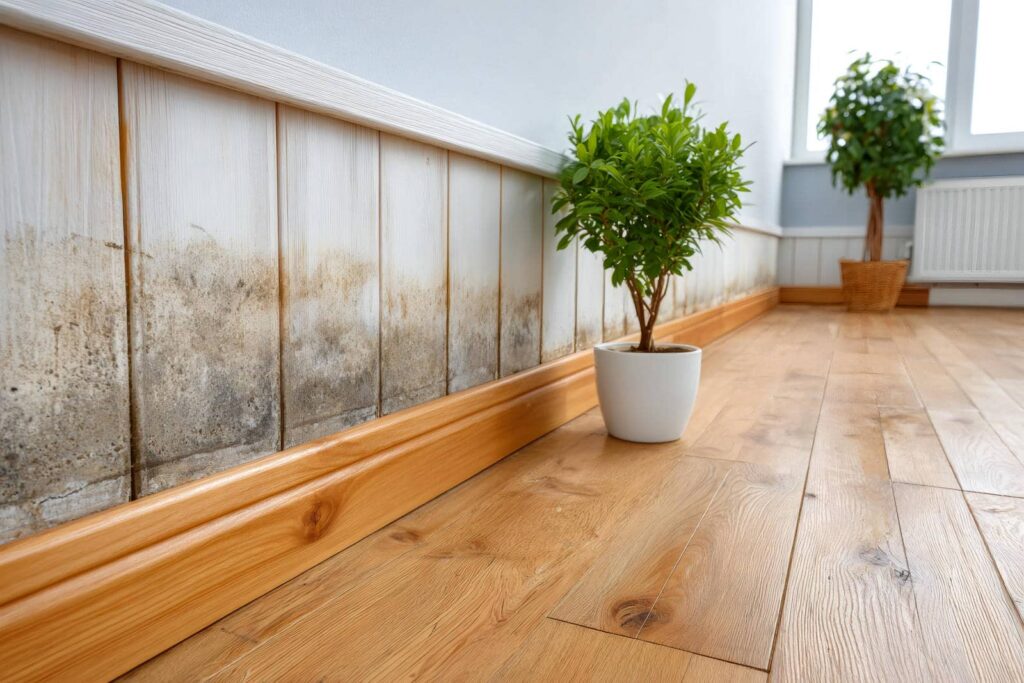
After flooding, you need to understand the serious risks mold presents to both your health and your property. Mold can grow rapidly in damp environments, often within just 24 to 48 hours. This can lead to various health issues and costly damage. By following mold prevention tips, you can effectively minimize these risks. But what specific strategies should you implement to safeguard your home and well-being? Let’s explore the essential steps you must take.
Key Takeaways
- Following mold prevention tips reduces the risk of mold growth, which can develop within 24 to 48 hours after flooding.
- Effective water removal and drying minimize moisture exposure, preventing extensive damage and health risks associated with mold.
- Maintaining humidity levels below 60% deters mold growth, promoting a healthier living environment for occupants.
- Regular cleaning and disinfecting surfaces post-flooding helps eliminate potential mold spores and contaminants.
- Proactive mold prevention protects home integrity, enhances property value, and provides peace of mind for residents.
Understanding the Risks of Mold After Flooding
When your home experiences flooding, understanding the risks of mold growth becomes vital for ensuring a safe living environment.
Mold spores thrive in damp conditions, often becoming airborne and infiltrating your living spaces. These spores can trigger various health risks, including respiratory issues, allergies, and skin irritations.
It’s important to recognize that mold can begin to develop within 24 to 48 hours after water exposure, so being proactive is key. By familiarizing yourself with the signs of mold, you can act swiftly to protect your home and your family’s well-being.
Taking these risks seriously fosters a healthier atmosphere and strengthens your sense of belonging in your community.
Prioritize mold prevention to create a safe haven for everyone.
The Importance of Quick Water Removal
Although you may feel overwhelmed after a flood, acting quickly to remove standing water is essential in preventing mold growth.
Quick water extraction minimizes the time that moisture lingers in your home, which is vital for maintaining a healthy environment. Mold thrives in damp conditions, and any delay can lead to extensive damage and health risks.
Prompt water removal is crucial, as even brief moisture exposure can foster mold growth and pose serious health risks.
By implementing effective water removal strategies, you’re protecting your home and reinforcing moisture barriers that help keep your living space dry.
Remember, even small amounts of water can lead to significant mold issues if not addressed promptly.
Prioritize swift action to safeguard your home and your family from the hidden dangers that flooding can bring.
Drying Out Affected Areas Effectively
After effectively removing standing water, the next step is drying out affected areas to prevent mold growth. You’ll want to ensure effective drying through proper techniques and tools. Start with a moisture assessment to identify damp spots and utilize fans, dehumidifiers, and natural ventilation. This approach helps dry surfaces and keeps humidity levels in check.
Preventing Humidity and Moisture Buildup
To effectively prevent humidity and moisture buildup, you need to take proactive measures that address potential sources of dampness.
Start by implementing humidity control strategies, such as using dehumidifiers in affected areas. These devices can greatly reduce moisture levels, making your environment less conducive to mold growth.
Implement humidity control strategies like dehumidifiers to significantly lower moisture levels and deter mold growth.
Additionally, consider installing moisture barriers in basements or crawl spaces to prevent groundwater from seeping in. Regularly inspect these barriers for any signs of wear or damage.
Ensure proper ventilation in your home, especially in areas prone to humidity, such as bathrooms and kitchens.
Cleaning and Disinfecting Surfaces
When dealing with surfaces affected by flooding, it’s crucial to prioritize cleaning and disinfecting to prevent mold growth and ensure a safe environment.
Effective cleaning isn’t just about removing dirt; it involves thorough surface sanitization to eliminate pathogens and spores. Start by removing any standing water and debris, then use a mixture of water and detergent for initial cleaning.
Follow this with a disinfectant that’s suitable for the specific surfaces in your home. Pay close attention to high-touch areas like doorknobs, countertops, and appliances.
Identifying Vulnerable Areas for Mold Growth
To effectively prevent mold growth after flooding, you need to identify common moisture-prone areas in your home.
Pay close attention to hidden spaces like behind walls, under sinks, and in basements, where water can accumulate unnoticed.
Common Moisture-Prone Areas
Identifying common moisture-prone areas in your home is crucial for preventing mold growth, especially after flooding.
Focus on spaces like your kitchen and bathroom, where humidity levels naturally rise. Check kitchen cabinets, as they often trap moisture from spills or leaks. Verify seals around sinks and fixtures are intact, preventing water accumulation.
In bathrooms, inspect fixtures, especially around toilets and showers, where water can seep and stagnate. Remember to examine the areas behind appliances and under sinks, as they can easily harbor moisture.
Hidden Spaces to Inspect
Hidden spaces within your home can be breeding grounds for mold if left unchecked after flooding.
It’s essential to inspect hidden cavities and concealed areas that often go unnoticed. Check behind walls, under floors, and within attics or crawl spaces. These locations can retain moisture, creating ideal conditions for mold growth.
Look for damp insulation, water stains, or a musty odor—signs of potential mold issues. Don’t forget to examine appliances, like washing machines and refrigerators, where moisture might accumulate.
By proactively addressing these hidden areas, you protect your home and foster a sense of belonging and safety for your family.
Prioritizing these inspections can make a significant difference in mold prevention.
Utilizing Dehumidifiers and Air Purifiers
Controlling humidity is essential in preventing mold growth after flooding, and that’s where dehumidifiers come into play.
By reducing moisture levels in the air, these devices create an environment less conducive to mold.
Additionally, air purifiers enhance air quality by filtering out mold spores and other pollutants, but they require regular maintenance to operate effectively.
Importance of Humidity Control
While flooding can create an environment ripe for mold growth, maintaining proper humidity levels is essential for preventing this issue. By utilizing dehumidifiers, you can effectively manage indoor humidity and improve indoor air quality. Keeping humidity levels between 30-60% is vital in reducing mold proliferation.
Air Purifiers’ Role
Air purifiers play an essential role in mold prevention after flooding, especially when paired with dehumidifiers. By removing airborne particles and contaminants, air purifiers greatly improve indoor air quality, making your home a healthier environment.
They work effectively to filter out mold spores, dust, and allergens, which can exacerbate respiratory issues and allergies.
Using an air purifier alongside a dehumidifier creates a proactive approach to mold prevention. While dehumidifiers reduce moisture levels, air purifiers ensure that the air you breathe is free from harmful pollutants.
This dual strategy aids in allergen reduction and fosters a sense of safety and well-being in your living space. Investing in these devices is a sound decision for your health and comfort.
Maintenance Best Practices
Effective maintenance practices for dehumidifiers and air purifiers are essential in the fight against mold after flooding.
To ensure these devices function at their best, implement preventive measures like regularly checking filters and cleaning components. You should replace filters as recommended by manufacturers and schedule routine inspections to identify any issues before they escalate.
Monitor humidity levels, keeping them below 60% to discourage mold growth. Additionally, position your dehumidifier strategically in damp areas for maximum efficiency.
For air purifiers, confirm they’re powerful enough for your space and run them continuously, especially in the aftermath of flooding.
Importance of Proper Ventilation
Proper ventilation plays an important role in preventing mold growth after flooding, as it helps to reduce moisture levels in affected areas.
Proper ventilation is essential for reducing moisture and preventing mold growth after flooding.
You need to prioritize airflow management to ensure that damp air can escape and dry air can circulate. Utilizing effective ventilation systems, such as exhaust fans and dehumidifiers, can greatly lower humidity, creating an inhospitable environment for mold spores.
Open windows and doors when possible to promote natural airflow, but be mindful of outdoor humidity levels.
Regularly check and clean ventilation systems to maintain their efficiency.
By fostering a well-ventilated space, you protect your home and create a healthier living environment for yourself and your loved ones.
Prioritizing ventilation is a vital step in mold prevention.
When to Seek Professional Mold Remediation
How can you determine when it’s time to bring in professionals for mold remediation?
Look for specific remediation signs that indicate a problem beyond your control. If you notice extensive mold growth, particularly if it’s larger than a square foot, it’s time to act.
Mold assessment techniques like visual inspections and moisture measurements can help identify hidden issues. If you experience persistent musty odors or health symptoms like respiratory problems, don’t hesitate to seek help.
Professionals have the tools and expertise to ensure thorough remediation and prevent future outbreaks.
Long-term Strategies for Mold Prevention
While flooding can create immediate challenges, implementing long-term strategies for mold prevention is essential to safeguard your home and health.
Start by using mold-resistant materials in your home’s construction and renovation projects. This proactive approach can considerably reduce the risk of mold growth.
Additionally, establish a routine for ongoing monitoring of high-risk areas, such as basements and bathrooms. Regularly check for leaks or dampness, as these can quickly lead to mold issues.
Educating yourself and your family about mold identification and prevention will foster a sense of community responsibility.
Frequently Asked Questions
How Long Does It Take for Mold to Grow After Flooding?
Mold can start growing within 24 to 48 hours after flooding, highlighting the urgency in the flood recovery process. Understanding this mold growth timeline helps you take timely action to prevent extensive damage and health risks.
Can I Remove Mold Myself, or Should I Hire a Professional?
You can tackle mold removal yourself using effective mold removal methods, but make certain you take necessary DIY precautions. If the infestation is extensive, hiring a professional is wiser for thorough and safe remediation.
Are Certain Materials More Susceptible to Mold Than Others?
Yes, certain materials are definitely more susceptible to mold. Wood and drywall retain moisture easily, while mold-resistant materials like fiberglass and treated wood help minimize moisture retention and reduce the risk of mold growth in your space.
What Health Issues Can Mold Exposure Cause?
Mold exposure can lead to various health risks, including respiratory issues, skin irritation, and allergic reactions. You might experience mold symptoms like sneezing, coughing, or headaches, which can greatly impact your well-being and daily life.
How Can I Tell if Mold Is Completely Removed?
To ensure mold is completely removed, use effective mold removal techniques and conduct thorough inspections for mold. Check for lingering odors, visible growth, or moisture. A professional inspection can provide reassurance that your space is safe and healthy.
Final Thoughts
Ignoring mold prevention tips after flooding is like inviting a swarm of angry bees into your home—it’s a disaster waiting to happen! By acting fast, you can protect your health and property from the sneaky grip of mold that can wreak havoc in just days. Remember, a bit of diligence now can save you from monumental repair costs and serious health issues down the line. Don’t let mold take root; safeguard your home and breathe easy!