
Table of Contents
When your property gets hit by a little too much water, a commercial flood removal company steps in to limit the damage. You’ll get a rapid assessment, fast water extraction, controlled drying, and moisture monitoring. If contamination is present, they’ll handle cleanup and sanitization with proper disposal. They can also coordinate repairs and work with insurers, but the real question is how they decide what to save first.
Key Takeaways
- They assess flood damage, identify safety hazards, and document affected materials for recovery and insurance claims.
- They remove standing water quickly using pumps, wet vacuums, and truck-mounted extraction equipment.
- They dry floors, walls, and hidden cavities with air movers, dehumidifiers, and ongoing moisture checks.
- They clean and disinfect sewage or contaminated areas using protective gear and EPA-registered disinfectants.
- They repair or replace damaged structural materials and coordinate restoration of electrical, HVAC, and plumbing systems.
How Commercial Flood Removal Companies Handle Flood Damage
Commercial flood removal companies begin by rapidly evaluating the extent of water intrusion, identifying safety hazards, and prioritizing affected areas so they can limit further damage.
You’ll get a structured assessment that documents wet materials, structural concerns, and contamination risks, helping your team stay aligned on next steps. Technicians also identify salvageable contents and separate them from compromised assets, which supports faster recovery and cleaner records.
They often advise you on flood prevention strategies, such as sealing entry points and improving drainage, to reduce repeat losses. Clear documentation matters too, because it strengthens insurance claims and helps you communicate accurately with adjusters.
Throughout the process, you’re kept informed, so you know what’s happening, why it matters, and how each decision protects your facility and operations.
Getting Floodwater Out Fast
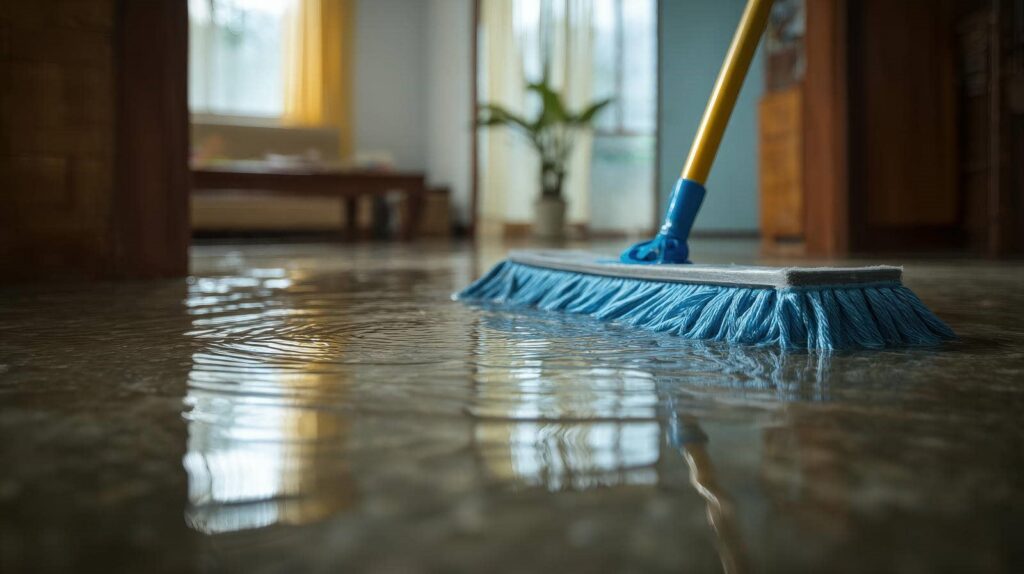
Once the assessment is complete, technicians move quickly to extract standing water and stop it from spreading into adjacent rooms, wall cavities, and equipment areas.
You get a coordinated emergency response that prioritizes safe access, fast water extraction, and controlled removal routes through your facility. Crews use pumps, wet vacuums, and truck-mounted systems sized for commercial volumes, so they can lower water levels efficiently without unnecessary disruption.
They also isolate affected zones, protect critical assets, and manage runoff so your team can keep moving with confidence. By acting fast, they reduce the chance of secondary damage and help you regain control of the space sooner.
That speed matters when every minute affects operations, inventory, and the people who rely on your site.
Drying and Checking Moisture Levels
With the standing water removed, technicians begin controlled drying to pull remaining moisture from floors, walls, insulation, and hidden cavities before it can trigger mold growth or structural deterioration.
You’ll see commercial dehumidifiers and air movers positioned to create steady airflow and reduce humidity in a measured way. During each moisture assessment, technicians compare readings from wet materials against safe baseline levels, so you know the space is drying evenly.
They adjust drying techniques as conditions change, targeting trapped moisture behind baseboards, under flooring, and inside wall assemblies. This process helps your building recover efficiently and keeps you informed about progress.
Cleaning Up Sewage and Contamination
Sanitizing begins immediately when sewage or other contaminants are present, because contaminated water can carry bacteria, viruses, and hazardous debris into building materials and occupied areas.
You’ll see your commercial flood removal team isolate the affected zone, remove soaked porous materials, and apply EPA-registered disinfectants with controlled dwell time.
During sewage cleanup, technicians wear protective gear and use HEPA filtration to limit aerosol spread. They also scrub hard surfaces, flush residues, and verify that hidden contamination isn’t lingering in baseboards, flooring seams, or wall cavities.
This process supports contamination prevention by reducing cross-contact and restoring safe conditions for your staff and visitors.
You can expect careful waste handling, sealed disposal, and documented sanitation steps so your team can move forward with confidence and stay aligned with health standards.
Repairing Commercial Water Damage
After the affected areas are sanitized and cleared for work, your commercial flood removal team can begin structural repairs that address the damage left behind.
You’ll see technicians replace wet drywall, damaged insulation, warped flooring, and compromised framing to restore strength and safety. They’ll also inspect electrical, HVAC, and plumbing systems to verify they’re operating correctly before reopening.
- Remove and replace unsound materials
- Dry hidden cavities and structural voids
- Rebuild finishes to code standards
- Document losses for insurance claims
This process helps you protect assets, reduce downtime, and keep your team confident in the recovery plan.
Your contractor should coordinate restoration timelines with your insurer, so each repair phase stays organized, verifiable, and aligned with business needs.
Frequently Asked Questions
What Should I Do Before the Flood Removal Team Arrives?
Before the flood removal team arrives, you should shut off electricity, move valuables, document water damage, and clear access paths. Your emergency preparedness helps protect your property and lets crews start work faster.
How Quickly Should I Call After Discovering Commercial Flooding?
Like a fire alarm, you should call immediately after discovering commercial flooding; you’ll trigger emergency response and damage assessment fast, limit losses, and join a team that protects your business’s operations and people.
Will My Business Insurance Cover Flood Removal Services?
Usually, you’ll need flood insurance, not standard property coverage, for flood removal services. Check your policy’s coverage limits, exclusions, and deductibles. You’ll feel more confident when you confirm claims details with your insurer promptly.
How Long Does a Commercial Flood Removal Project Usually Take?
You’ll usually finish in 1-7 days: assess, extract, dry, restore. Flood duration, project phases, damage extent, and equipment capacity all shape timing. You’re not alone; your team can coordinate quickly and keep operations moving.
Can Flood Removal Companies Help Prevent Future Flooding?
Yes, you can. They assess risks, recommend flood prevention strategies, and install drainage solutions that reduce future damage. You’ll get tailored planning, professional guidance, and support that helps your property stay protected and your team feel prepared.
Final Thoughts
When you call a commercial flood removal company, you’re getting a team that helps you move from chaos back to normal with care and precision. They quickly clear standing water, dry hidden moisture, and gently address contaminated areas before damage can spread. They also manage repairs and coordinate with insurers, so you don’t have to carry the load alone. In the end, they help your property rise again, cleaner, safer, and ready for business.