
Table of Contents
Did you know that improper biohazard waste disposal can lead to significant health risks and environmental damage? It’s essential to handle such materials with care and attention. There are specific guidelines you need to follow to guarantee safety and compliance. By implementing effective strategies, you can make a difference in your community. Let’s explore the top five tips that will help you manage biohazard waste responsibly.
Key Takeaways
- Understand and comply with local regulations for biohazard waste disposal to ensure safe and legal practices.
- Always wear appropriate personal protective equipment (PPE) to minimize exposure to hazardous materials.
- Properly segregate biohazard waste into designated categories like sharps and infectious waste for effective handling.
- Use licensed biohazard waste disposal services to ensure safe and compliant waste management practices.
- Document and track all biohazard waste disposal activities for accountability and regulatory compliance.
Understand Local Regulations and Guidelines
How well do you know your local regulations regarding biohazard waste disposal? Understanding these guidelines is vital for ensuring local compliance and maintaining community safety. Each area has specific rules governing the handling, storage, and disposal of biohazard materials, and staying informed about regulatory updates is essential.
You should familiarize yourself with your local health department or environmental agency’s regulations. They often provide resources outlining proper disposal methods and necessary permits.
Engaging with local compliance initiatives not only helps you follow the law but also fosters a sense of belonging within your community.
Participating in workshops or local meetings can keep you updated on any changes in regulations, ensuring you’re always informed. By taking these steps, you contribute to a safer environment, demonstrating your commitment to responsible waste management and community health.
Use Proper Personal Protective Equipment (PPE)
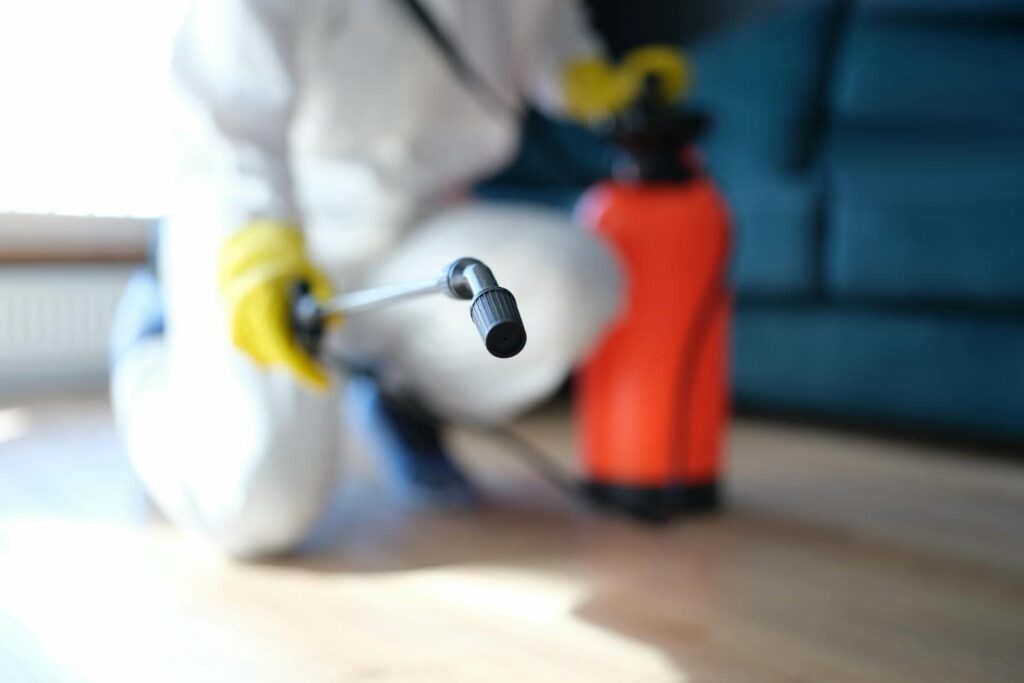
When handling biohazard waste, wearing proper personal protective equipment (PPE) is essential to your safety and health.
Start with glove selection; choose high-quality, puncture-resistant gloves that fit snugly. Nitrile gloves are a popular choice, as they provide excellent barrier protection.
Next, consider mask types. Depending on the level of exposure, you may need a simple surgical mask or a more protective N95 respirator. The right mask helps filter out harmful particles and keeps you safe from inhaling any contaminants.
Additionally, don’t forget about eye protection; safety goggles or face shields can prevent splashes from reaching your eyes.
Remember, wearing the proper PPE not only protects you but also creates a safer environment for everyone involved. When you prioritize your safety, you foster a culture of responsibility and care within your team.
Always assess the situation and equip yourself accordingly before beginning any biohazard waste disposal task.
Segregate Biohazard Waste Correctly
Proper PPE is just the first step in guaranteeing safe biohazard waste disposal; equally important is the correct segregation of waste. By utilizing effective waste classification methods, you can streamline the disposal process and minimize risks.
Start by identifying different types of biohazardous materials, such as sharps, infectious waste, and pathological waste. Each category requires specific handling and disposal techniques.
When it comes to disposal containers selection, make certain you’re using the right containers for each waste type. For instance, puncture-resistant containers are essential for sharps, while leak-proof bags are ideal for infectious waste.
Labeling these containers clearly will help everyone in your facility understand what goes where, fostering a culture of safety and responsibility.
Choose Licensed Biohazard Waste Disposal Services
One crucial step in ensuring safe biohazard waste disposal is choosing licensed disposal services. By selecting professionals who hold the necessary licenses, you’re not only complying with regulations but also ensuring that your waste is handled responsibly.
Licensed services have the expertise and training required for effective waste management, minimizing risks to your health and the environment.
When you work with these experts, you gain peace of mind knowing they follow strict protocols for collection, transportation, and disposal of hazardous materials. This reduces the chance of accidents and helps maintain a safe community.
Additionally, licensed services often provide you with thorough support, ensuring all your questions are answered and your concerns are addressed.
Prioritizing licensed biohazard waste disposal services reflects your commitment to safety and responsibility, fostering a sense of belonging within your community. Make this choice today for a safer tomorrow.
Document and Track Waste Disposal Activities
Documenting and tracking waste disposal activities is essential for maintaining accountability and ensuring compliance with regulations. By implementing effective waste tracking and documentation procedures, you can safeguard your facility from legal repercussions and promote a culture of safety.
Start by creating a detailed log of all biohazard waste generated, noting the type, quantity, and disposal method used. Regularly update this log to reflect any changes, ensuring accuracy.
It’s also crucial to keep records of the licensed disposal services you engage with, including dates and receipts. This documentation not only aids in compliance but also fosters transparency within your organization, encouraging team members to remain vigilant about waste disposal practices.
Frequently Asked Questions
What Types of Materials Are Considered Biohazard Waste?
Biohazard materials include human tissues, blood, sharps, and contaminated equipment. You should use proper disposal methods, like autoclaving or incineration, to guarantee safety and compliance with regulations, protecting both yourself and the community.
How Do I Identify a Licensed Biohazard Waste Disposal Service?
To identify a licensed biohazard waste disposal service, check for certifications and compliance with local disposal regulations. Research online reviews and ask for recommendations to guarantee you choose a reputable, responsible service.
Can I Dispose of Biohazard Waste in Regular Trash?
You can’t dispose of biohazard waste in regular trash. Biohazard regulations require safe disposal through licensed services to prevent health risks and environmental hazards. It’s essential to follow these guidelines for everyone’s safety and wellbeing.
What Happens if Biohazard Waste Is Improperly Disposed Of?
Improperly disposing of biohazard waste poses perilous health risks and serious legal consequences. You’ll face fines and potential criminal charges while endangering your community’s safety. Always handle hazardous materials responsibly to protect yourself and others.
How Often Should Biohazard Waste Be Disposed Of?
You should follow frequency guidelines based on your facility’s disposal procedures. Typically, biohazard waste needs disposal at least weekly, but consult local regulations for specific requirements to guarantee compliance and safety in your environment.
To Sum Up
Following these tips guarantees safe biohazard waste disposal and protects your community. Remember, “an ounce of prevention is worth a pound of cure.” By understanding regulations, using proper PPE, segregating waste, choosing licensed services, and documenting activities, you’re not just complying with laws you’re fostering a safer environment for everyone. Stay vigilant and responsible in your waste management practices, as every small effort contributes to a healthier world.