
Table of Contents
As a homeowner, you might not realize the potential hazards lurking in your home. Biohazard waste can pose serious health risks if not handled properly. It’s crucial to identify these materials and understand how to manage them safely. This involves recognizing what qualifies as biohazardous waste and knowing the appropriate disposal methods. Are you prepared to take the necessary steps to protect your home and family from these dangers?
Key Takeaways
- Identify and segregate biohazard waste, including expired medications, used sharps, and contaminated materials, from regular household trash.
- Use puncture-resistant, leak-proof containers specifically labeled for biohazard waste to ensure safe containment.
- Wear personal protective equipment (PPE) such as gloves and masks when handling biohazard materials to minimize exposure risks.
- Follow local regulations for the proper disposal of biohazard waste, as requirements can vary by area.
- Contact professionals for cleanup if you encounter blood, bodily fluids, or significant mold growth to ensure safe and effective removal.
Understanding Biohazard Waste
Biohazard waste refers to materials that pose a risk to human health or the environment due to their infectious, toxic, or otherwise hazardous nature. Understanding biohazard definitions is essential for recognizing the potential health risks associated with various materials. These can include medical waste, contaminated sharps, and certain chemicals that can lead to infections or environmental damage.
When dealing with biohazard waste, you should be aware of the specific categories that exist, as this knowledge helps you make informed decisions about disposal. Each type has unique handling requirements to minimize exposure and ensure safety.
For instance, using proper containers and following local regulations will prevent contamination and protect both you and your community. By staying informed and proactive, you contribute to a safer environment, fostering a sense of belonging within your neighborhood and helping others understand the importance of responsible waste management.
Identifying Biohazardous Materials in Your Home
How can you safely identify biohazardous materials lurking in your home? Start by recognizing common household risk factors such as mold, expired medications, and sharp objects.
Use biohazard detection techniques to assess potential dangers. For instance, check for any spills or leaks that could harbor harmful pathogens.
Look for items like used bandages, syringes, or personal protective equipment that may pose a risk. Pay attention to areas prone to moisture, as damp environments can foster mold growth.
Inspect your garage and basement, where hazardous chemicals or expired cleaning products might be stored.
Always be vigilant about how you store and dispose of these materials. By understanding and identifying these biohazardous elements, you can ensure a safer living environment for yourself and your loved ones.
Taking proactive steps in recognizing these risks is essential in maintaining your home’s safety.
Safety Precautions for Handling Biohazard Waste
When handling biohazard waste, it’s essential to take specific safety precautions to protect yourself and others.
First, always wear personal protective equipment (PPE), including gloves, goggles, and masks, to minimize your risk of exposure. Ensure your clothing covers all skin areas to prevent contamination.
Before starting, familiarize yourself with emergency protocols in case of accidental exposure or spills. Have a first aid kit nearby and know whom to contact for help.
Avoid touching your face or personal items while working with biohazard materials, and keep the area well-ventilated. Use designated containers for waste collection to prevent leaks and spills.
Always wash your hands thoroughly after handling biohazard waste, even when wearing gloves.
Proper Disposal Methods for Biohazard Materials
To ensure the safe disposal of biohazard materials, you must follow established protocols that prevent environmental contamination and health risks.
Using the right disposal techniques is essential for effective waste management. Here are three key methods you should consider:
Segregation: Separate biohazard waste from regular trash to minimize exposure and facilitate proper treatment.
Containment: Use puncture-resistant, leak-proof containers specifically designed for biohazard materials. Ascertain they’re labeled clearly for identification.
Transport: When moving biohazard waste, do so in compliance with local regulations, using designated vehicles that adhere to safety standards.
When to Call Professionals for Biohazard Cleanup
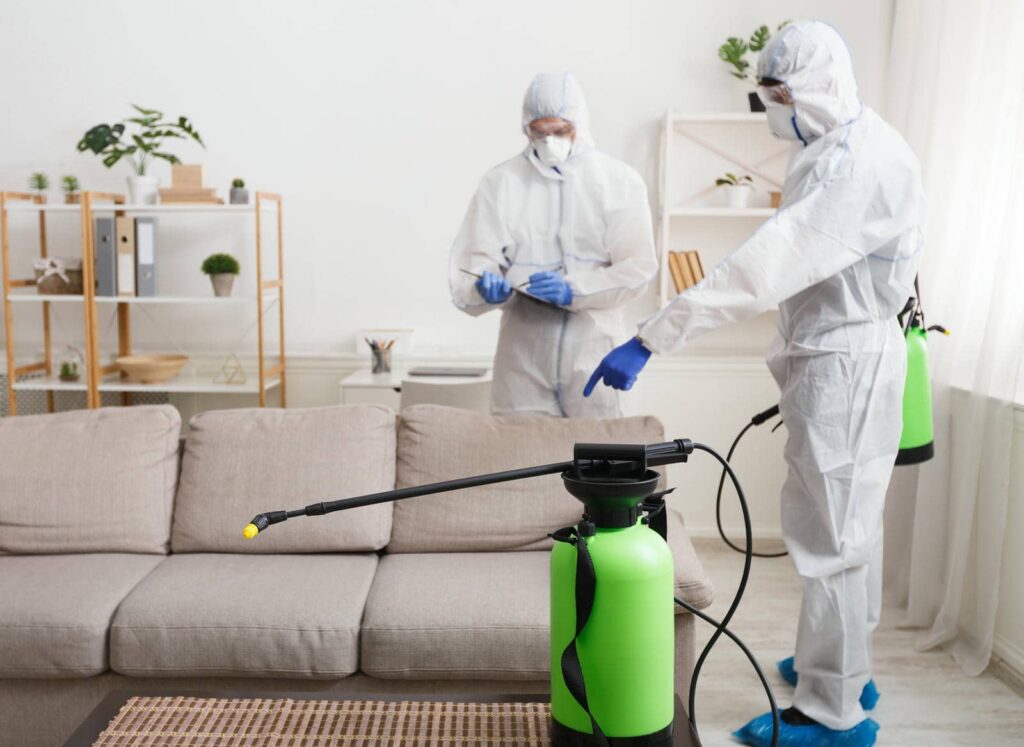
If you notice signs of contamination, such as blood or bodily fluids, it’s essential to call professionals immediately.
Certain situations, like crime scenes or medical waste spills, require specialized training and equipment for safe cleanup.
Ignoring these indicators can pose serious health risks, so don’t hesitate to seek expert assistance.
Signs of Contamination
Recognizing the signs of contamination is crucial for ensuring safety in environments where biohazardous materials may be present.
If you notice any of the following indicators, it’s time to call professionals for biohazard cleanup:
Mold growth: Visible mold, especially in damp areas, can signal serious health risks.
Pest infestations: The presence of rodents or insects often indicates unsanitary conditions that may harbor biohazards.
Unusual odors: Foul smells can suggest decaying organic material or chemical leaks, both of which require immediate attention.
Don’t ignore these signs.
Prompt action can protect your health and that of those around you.
If you suspect contamination, reaching out to experts ensures a safe and thorough cleanup.
Types of Biohazard Situations
Several types of biohazard situations can arise, and knowing when to call professionals for cleanup is essential for ensuring safety.
If you encounter blood, bodily fluids, or waste from infectious diseases, it’s vital to seek expert help immediately. These materials can pose serious health risks if not handled properly.
Additionally, if you’re dealing with hazardous chemicals—whether from household products or industrial spills—don’t attempt to clean it up yourself. Exposure to hazardous substances can lead to long-term health issues.
Professionals have the training and equipment necessary to manage these situations safely and effectively.
Maintaining a Safe Environment After Cleanup
After completing biohazard waste cleanup, maintaining a safe environment is essential to prevent potential health risks.
To ensure ongoing safety, implement these key measures:
Conduct Post Cleanup Inspections: Regularly check the affected area for any remaining contaminants or hazards. This helps identify issues before they escalate.
Establish Ongoing Safety Measures: Create a plan that includes regular monitoring and maintenance of the space. This may involve scheduling professional assessments to ensure continued safety.
Educate Household Members: Make sure everyone understands the importance of safety protocols and how to respond in case of an emergency. Empowering your family creates a sense of security.
Frequently Asked Questions
What Personal Protective Equipment Is Recommended for Handling Biohazard Waste?
When handling biohazard waste, you should wear protective gloves and safety goggles. These items shield your skin and eyes from potential contaminants, ensuring your safety while managing hazardous materials effectively and responsibly.
Can I Dispose of Biohazard Waste in Regular Trash Bins?
You can’t toss biohazard waste in regular trash bins! Following household waste guidelines is essential. Instead, explore proper biohazard disposal methods to ensure safety for you and your community. Your diligence protects everyone.
How Often Should I Check for Biohazard Materials in My Home?
You should check for biohazard materials in your home during regular inspections, ideally every few months. Look for biohazard signs, and ensure you address any potential risks immediately to maintain a safe living environment.
Are There Specific Regulations for Biohazard Waste Disposal in My Area?
Steering through local regulations for biohazard waste disposal is like following a roadmap. Check your municipality’s disposal guidelines to ensure you’re compliant, protecting both your community and your home from potential hazards. Stay informed and safe!
What Should I Do if I Accidentally Come Into Contact With Biohazard Waste?
If you accidentally contact biohazard waste, wash the area immediately with soap and water, seek first aid, and report the incident. Follow contamination prevention guidelines to minimize health risks and protect yourself and others.
Review
Managing biohazard waste in your home is a delicate balance between safety and responsibility. While it may seem intimidating to handle expired medications or used sharps, taking the right precautions can protect both your health and the environment. Remember, neglecting proper disposal can lead to serious risks, but with the right knowledge and tools, you can maintain a safe living space. Don’t hesitate to seek professional help when needed; safety always comes first.