
Table of Contents
You might find it surprising how often people underestimate the risks associated with biohazard cleanup at home. When faced with such situations, knowing the essential safety protocols can make all the difference in protecting your health. From the right personal protective equipment to safe disposal methods, each step is essential. How you approach this process can determine your safety and the effectiveness of the cleanup. Let’s explore these critical protocols further.
Key Takeaways
- Wear appropriate Personal Protective Equipment (PPE), including gloves, masks, and gowns, to protect against contamination during cleanup.
- Identify and categorize biohazard materials, ensuring proper containment in puncture-resistant and leak-proof containers.
- Label all containers clearly with biohazard symbols and secure them to prevent accidental openings during disposal.
- Use approved chemical disinfectants for decontamination, ensuring thorough cleaning of all surfaces and allowing them to air dry.
- Seek professional help for significant spills or if uncertainty arises about contamination levels to prioritize safety and health.
Understanding Biohazard Materials
Biohazard materials pose significant health risks and require careful handling. Understanding the various biohazard types is vital in maintaining safety during cleanup.
These materials range from biological waste, such as blood and bodily fluids, to contaminated sharps and certain chemicals. Each type presents unique risk factors that can lead to serious health issues if mishandled. For instance, exposure to pathogens found in human blood can result in infections, while chemical spills can cause respiratory problems.
You need to recognize these risks to protect yourself and others. Proper identification of biohazard types allows for effective containment and disposal.
Familiarizing yourself with local regulations on biohazard materials is also important, as it fosters a sense of community responsibility. By understanding these risks and the specific types of biohazards, you ensure your safety and contribute to a healthier environment for everyone around you.
Personal Protective Equipment (PPE)
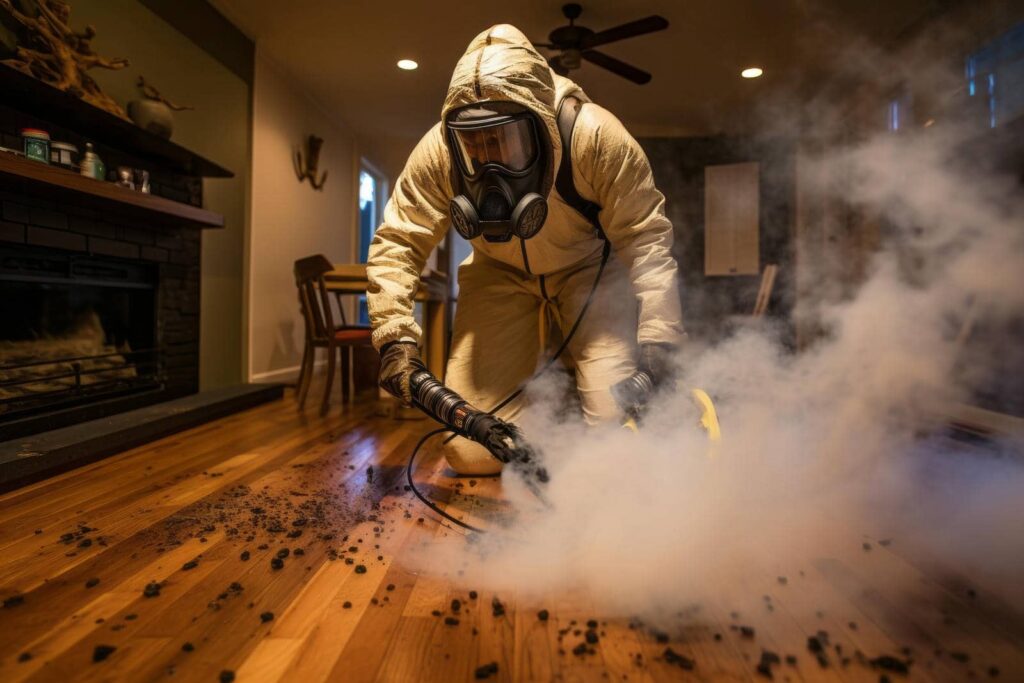
When handling biohazard materials, wearing the right Personal Protective Equipment (PPE) is paramount.
Start by selecting appropriate PPE types, including gloves, gowns, masks, and eye protection. Choose gloves made of nitrile or latex, as these provide a reliable barrier against contaminants. Gowns should be fluid-resistant, while masks must fit snugly to protect against airborne pathogens.
Once you’ve donned your PPE, remember that proper maintenance is essential. Inspect your equipment for any damage before each use; torn gloves or compromised masks won’t provide the protection you need.
After completing your cleanup, dispose of single-use PPE according to local regulations and clean reusable items thoroughly.
Safe Containment and Disposal Procedures
To ensure safety during cleanup, it’s crucial to establish proper containment and disposal procedures for biohazardous materials.
Start by using puncture-resistant, leak-proof containers to ensure safe handling of items contaminated with bodily fluids or hazardous substances. Each container should be clearly marked with proper labeling, indicating the contents and biohazard symbols to alert others to the risks involved.
When sealing containers, use strong tape to prevent accidental openings during transport. Dispose of these materials according to local regulations; many communities have specific guidelines for biohazard waste.
Always keep your work area organized and free from clutter, which helps maintain a focused and safe environment. After disposal, ensure you document the process for compliance and future reference.
Decontamination Techniques
Effective decontamination techniques are vital for ensuring a safe environment after a biohazard incident. Start by using chemical disinfectants that meet regulatory standards and are effective against specific pathogens. Always read the label for proper dilution and contact time to ensure efficacy.
Next, focus on surface sterilization; this means thoroughly cleaning all potentially contaminated surfaces. Use disposable cloths or mops to prevent cross-contamination, and make certain to apply the disinfectant uniformly.
For porous materials, like carpets or upholstery, consider replacing them if they can’t be adequately cleaned.
After applying disinfectants, allow surfaces to air dry to enhance their effectiveness. It’s also essential to wear appropriate personal protective equipment (PPE) during this process to protect yourself from exposure.
When to Seek Professional Help
Even after implementing thorough decontamination techniques, certain situations may necessitate professional assistance. If you encounter significant blood spills, hazardous chemical exposure, or mold growth, it’s essential to seek help. These scenarios often involve health risks that can affect you and your loved ones.
Professional biohazard cleanup teams are trained in emergency response and can safely handle materials that pose serious dangers.
Additionally, if you’re unsure about the extent of contamination, it’s wise to consult experts. They possess the knowledge and equipment necessary to assess and mitigate risks effectively.
Remember, your health and safety should always come first. If you feel overwhelmed or uncertain about the cleanup process, don’t hesitate to reach out for professional support.
Frequently Asked Questions
What Types of Biohazard Materials Require Special Handling?
You’ll need to handle biological waste and hazardous materials like blood, bodily fluids, used needles, and contaminated items with care. These substances pose health risks, so proper procedures ensure safety and compliance with regulations.
How Can I Identify a Biohazardous Situation in My Home?
You can identify a biohazardous situation by evaluating risks like unusual odors, visible spills, or signs of contamination. Look for mold, blood, or chemicals to ensure your safety and protect your home environment.
Are There Specific Laws Regarding Biohazard Cleanup?
Yes, there are specific biohazard regulations that dictate your legal responsibilities. Familiarize yourself with local laws to ensure compliance and safety during cleanup. Ignoring these regulations can lead to fines or legal consequences, so stay informed.
Can I Use Regular Household Cleaners for Biohazard Cleanup?
You can’t rely on regular household cleaners for biohazard cleanup. Their cleaning effectiveness may not eliminate pathogens, risking health. It’s essential to use specialized products designed for biohazard situations to ensure safety and thorough disinfection.
How Do I Report a Biohazard Situation to Authorities?
To report a biohazard situation, contact your local emergency response team. Follow their reporting procedures, providing specific details about the incident. Your prompt action helps ensure the safety of everyone in the community.
Conclusion
Safe and sensible strategies are essential for effective home biohazard cleanup. By prioritizing personal protective equipment, proper containment, and thorough decontamination, you can protect your health and home. Don’t hesitate to seek professional assistance when faced with serious situations; their expertise ensures a secure solution. Remember, maintaining meticulous methods is key to managing materials safely and safeguarding your space. Stay vigilant and proactive in your approach to biohazard cleanup for a healthier home environment.