
Table of Contents
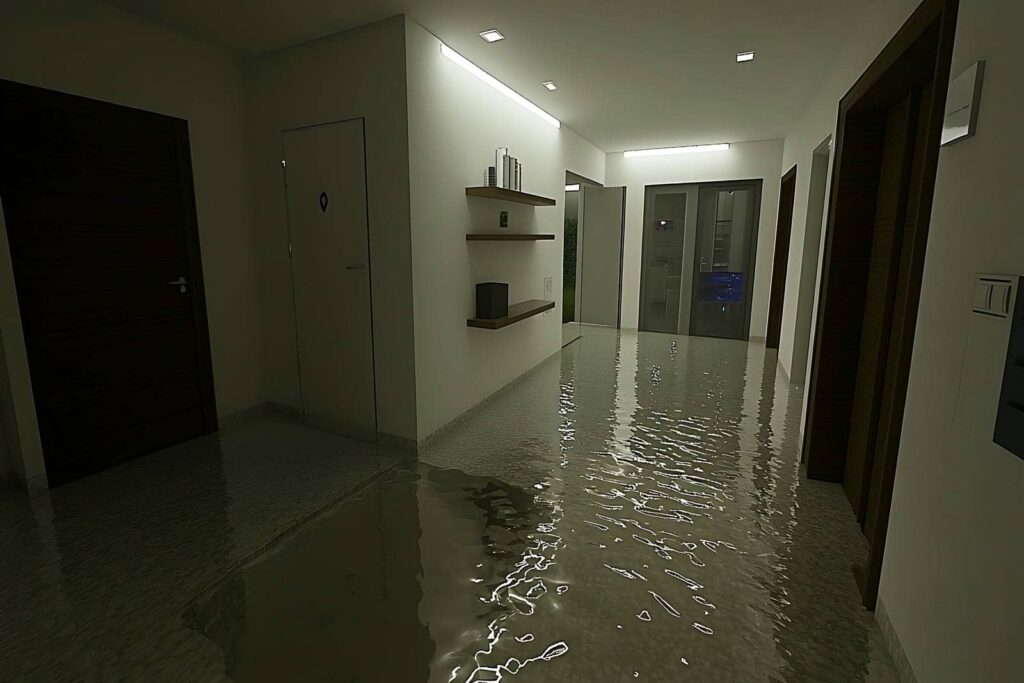
Imagine your home under siege by a relentless tide, each moment putting your cherished belongings at risk. Effective water extraction techniques are your lifeline in these dire situations, ensuring you minimize damage and health hazards. Understanding the right tools and methods is essential for a swift recovery. So, how do you navigate this critical process to safeguard your home and peace of mind?
Key Takeaways
- Utilize submersible pumps for the rapid removal of large volumes of water in flooded areas.
- Apply industrial vacuums to access and extract water from less accessible spaces.
- Implement moisture mapping techniques to detect hidden moisture pockets within structures.
- Use drying fans and dehumidifiers to prevent mold growth and promote efficient drying.
- Engage professionals for advanced equipment and expertise to ensure effective water extraction.
Understanding the Importance of Water Extraction
When faced with the aftermath of a flood, understanding the importance of water extraction becomes essential to preventing further damage to your property. Delaying this process can lead to significant water damage, compromising both your structure and your emotional well-being.
Effective extraction methods, such as using submersible pumps and industrial vacuums, are crucial in removing excess water quickly. By addressing the situation promptly, you can mitigate mold growth and structural decay, fostering a healthier living environment.
You’re not alone in this challenge; many have faced similar struggles. By prioritizing water extraction, you take a critical step toward restoring your home and reclaiming your peace of mind. Embrace these methods, and you’ll feel empowered in the face of adversity.
Types of Flood Damage and Their Effects
Flooding can cause various types of damage, each with its unique effects on your property. You might encounter structural damage, where water compromises the integrity of your walls and foundations.
Additionally, you could face damage to personal belongings, such as furniture and electronics, leading to emotional distress.
Another significant concern is mold growth, which can arise quickly in damp environments, threatening your health and safety.
Each flood type—whether it’s flash flooding or prolonged rain—carries distinct damage effects that can worsen over time if not addressed promptly.
Understanding these impacts helps you prioritize your recovery efforts, fostering a sense of community as you navigate this challenging experience.
You’re not alone; many share similar struggles and seek support in these trying times.
Assessing the Extent of Water Damage
Evaluating the extent of water damage is essential for effective recovery and restoration. Begin your damage assessment by inspecting affected areas, noting visible signs such as discoloration, warping, or mold growth. Utilize moisture mapping techniques to pinpoint hidden moisture pockets within walls, floors, and ceilings. This method allows you to understand the full impact of the flooding and prioritize your recovery efforts.
Tools and Equipment for Effective Water Extraction
Effective water extraction relies on a range of specialized tools and equipment designed to tackle the unique challenges posed by flood damage.
Effective water extraction requires specialized tools to address the unique challenges of flood damage.
You’ll need water pumps to remove large volumes of water quickly and extraction vacuums for tackling less accessible areas.
Moisture meters help you assess dampness levels, while drying fans and dehumidifiers work together to prevent mold growth.
Water barriers can redirect excess water, and industrial hoses ensure efficient drainage.
Don’t forget rescue equipment for safety during extraction.
Portable generators provide the necessary power, especially if your electricity is compromised, and proper drainage systems will help manage future flooding risks.
Professional vs. DIY Water Extraction Techniques
When you’re facing flood damage, choosing between professional and DIY water extraction techniques can greatly impact your recovery.
Professionals use advanced equipment designed for rapid and thorough water removal, while DIY methods often rely on household tools that may not be as effective.
Understanding the differences in equipment and the time each approach requires can help you make an informed decision that best suits your situation.
Equipment Used Comparison
Choosing the right equipment for water extraction can greatly impact the effectiveness of your flood damage recovery efforts.
When comparing professional and DIY techniques, you’ll find that professionals typically use high-capacity pump types and advanced vacuum systems designed for quick and efficient water removal. These tools can handle larger volumes and manage debris, making them ideal for severe flooding situations.
On the other hand, DIY methods might rely on smaller, portable pumps and household vacuum systems, which can be effective for minor issues but may struggle with significant water levels.
While DIY can save money, investing in professional-grade equipment ensures a more thorough extraction, reducing long-term damage and promoting a healthier environment in your home.
Time Efficiency Analysis
The speed at which you can extract water after a flood can be a game-changer in mitigating damage. Understanding the time efficiency of both professional and DIY techniques helps you make informed decisions.
Safety Precautions During Water Extraction
When you’re tackling water extraction after a flood, prioritizing safety is essential.
You’ll need to equip yourself with personal protective equipment to shield against contaminants, while also being vigilant about electrical hazards that can pose serious risks.
Additionally, staying alert to potential hazardous materials in the water will help you navigate the recovery process safely and effectively.
Personal Protective Equipment
As you prepare for water extraction tasks following a flood, ensuring your safety should be a top priority. Wearing the right protective gear is essential to shield yourself from potential hazards.
Start with waterproof boots to keep your feet dry and insulated. Gloves are vital for protecting your hands from contaminants in the water. A mask will help filter out harmful particles and odors, while goggles safeguard your eyes from splashes.
Familiarize yourself with safety standards to understand the risks involved, such as exposure to mold or harmful chemicals. Remember, your well-being directly impacts your ability to effectively assist others during this challenging time.
Taking these precautions fosters a sense of community and belonging as you work together to restore safety.
Electrical Safety Measures
While you focus on water extraction after a flood, it’s crucial to prioritize electrical safety to prevent accidents and injuries.
Start by shutting down the power to avoid electrical hazards. Before entering flooded areas, conduct a thorough circuit inspection to identify potential issues. Follow established safety protocols, making sure you wear protective gear.
Be aware of voltage levels around you, as water can conduct electricity, increasing risks. Implement grounding techniques for any equipment you use, and consider surge protection to safeguard your appliances from damage.
Hazardous Material Awareness
After ensuring electrical safety, attention turns to the presence of hazardous materials that can complicate water extraction efforts.
You must identify and assess any potential dangers, such as chemicals, sewage, or mold lurking in the floodwater. Wear appropriate personal protective equipment (PPE) like gloves and masks to safeguard yourself from exposure.
Be mindful of the environmental impact; improper handling of hazardous materials can lead to contamination and long-term damage. Always consult local guidelines for disposal and reporting of these materials.
Collaborating with professionals can enhance safety and ensure thorough remediation, creating a supportive environment for everyone involved.
Post-Extraction Steps for Restoration
Once water extraction is complete, you must promptly assess the extent of the damage to begin the restoration process effectively.
Start by documenting affected areas, noting any structural issues. Next, implement drying techniques like dehumidifiers and fans to remove excess moisture, which is essential for preventing mold growth.
As you work through the restoration processes, focus on salvaging personal belongings and materials whenever possible, as these hold sentimental value.
Pay attention to air quality; consider using air purifiers to eliminate contaminants.
Finally, communicate openly with your team and those affected, fostering a sense of community during this challenging time.
Preventative Measures to Avoid Future Flood Damage
Restoration efforts can serve as a stark reminder of the destructive potential of flooding, highlighting the importance of implementing effective preventative measures to avert future incidents. You can protect your home and community by investing in flood barriers and enhancing drainage systems.
Frequently Asked Questions
How Long Does It Take for Water Extraction to Complete?
Water extraction duration varies considerably. It depends on factors influencing extraction, like water volume, area accessibility, and equipment efficiency. You’ll find that each situation is unique, impacting how quickly you can restore your space.
What Are the Signs of Mold Growth After Flooding?
After flooding, you’ll notice mold identification signs like musty odors, discoloration on surfaces, or water stains. Ignoring these can lead to serious health risks, so addressing them promptly is essential for your well-being and safety.
Will Insurance Cover Water Extraction Costs?
Insurance policies can vary widely; some cover water extraction costs while others impose coverage limits. You’ll want to review your policy closely, ensuring you understand what’s included and can access the support you need.
Can I Use Regular Household Fans for Drying?
You can use household fans, but their efficiency might be limited. For an ideal drying process effectiveness, consider combining fans with dehumidifiers. This way, you create a supportive environment for faster, thorough moisture removal and restoration.
What Should I Do With Wet Furniture?
When your furniture feels like a shipwreck, assess the damage carefully. Start drying it out, then consider furniture restoration techniques. Remember, each piece holds memories; treating them with care helps preserve your home’s heart.
Conclusion
As you navigate the aftermath of flooding, remember that swift water extraction can make all the difference. The tools and techniques discussed are your allies in this battle against damage and despair. But what happens if you delay? Mold could creep in, and structural integrity might be at risk. Don’t let your home fall victim to the unseen dangers lurking in the dampness. Act now, and reclaim your space, restoring your property and your peace of mind.