
Table of Contents
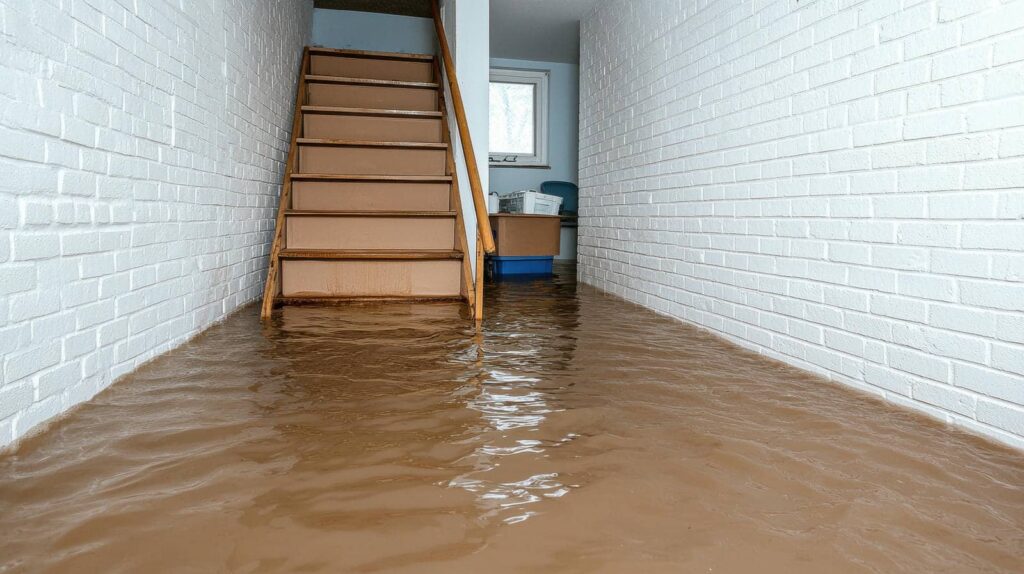
When facing a flooded basement, it’s essential to approach the situation methodically. Start by evaluating hazards and ensuring your safety. Next, gather the right equipment for effective basement water extraction. Understanding these initial steps sets the foundation for a successful recovery. As you progress, you’ll encounter specific techniques for addressing standing water and drying out affected areas. However, knowing when to tackle the issue yourself or call for professional help can make all the difference.
Key Takeaways
- Prioritize safety by assessing structural damage and wearing appropriate protective gear before starting water extraction.
- Utilize efficient equipment, like submersible pumps and wet/dry vacuums, for effective water removal from the basement.
- Implement drying techniques, including dehumidifiers and fans, to reduce humidity levels and prevent mold growth.
- Regularly inspect and maintain drainage systems and waterproofing to prevent future water issues in the basement.
- Call professionals for severe water accumulation or visible mold to ensure proper remediation and safety.
Assessing the Situation and Safety Precautions
Before you begin any water extraction process, it’s crucial to assess the situation and prioritize safety.
Start by inspecting the area for structural damage and identifying potential hazards, such as electrical issues or unstable surfaces. Always equip yourself with appropriate safety gear, including gloves, boots, and masks, to protect against contaminants and hazardous materials.
Next, make sure you have your emergency contacts readily available. This might include local emergency services, a trusted contractor, or a water damage restoration company.
If the water source is unknown or potentially toxic, consider evacuating the space and contacting professionals.
Gathering Necessary Equipment and Supplies
Gathering the right equipment and supplies is vital for effective basement water extraction. Start by acquiring reliable water pumps, which are essential for quickly removing large volumes of water. Choose submersible pumps for deeper water levels and utility pumps for smaller tasks. Verify they’ve adequate horsepower to handle your specific situation.
Next, gather extraction tools, such as wet/dry vacuums, which can help with residual moisture and debris. These vacuums are versatile and can be used for various cleanup tasks after the major water removal. Additionally, consider having a variety of hoses and extensions to reach every corner of your basement effectively.
Don’t forget protective gear, including gloves and boots, to ensure your safety while working in potentially hazardous conditions.
Removing Standing Water
To effectively remove standing water, start by identifying the source of the leak or flooding.
Use the proper equipment, such as a submersible pump or wet/dry vacuum, to efficiently extract the water.
Always prioritize safety precautions, including wearing protective gear and ensuring electrical hazards are addressed before beginning the extraction process.
Identify Water Sources
As you begin the process of removing standing water from your basement, identifying the sources of that water is essential for effective extraction and prevention of future issues.
Common causes of basement water accumulation include heavy rainfall, poor drainage systems, and plumbing leaks. Start by inspecting the exterior of your home for any grading issues or clogged gutters that might direct water toward your foundation.
Inside, check for leaks from pipes or appliances, as these can contribute considerably to standing water. It’s also wise to examine window wells for any signs of water intrusion.
Use Proper Equipment
Using the right equipment is essential for effectively removing standing water from your basement.
Utilizing proper water pumps and extraction tools ensures that you tackle the problem efficiently.
Consider the following essential equipment:
- Submersible water pump: Perfect for deep water removal.
- Wet/dry vacuum: Excellent for smaller puddles and debris.
- Sump pump: Ideal for continuous water drainage in prone areas.
- Mops and towels: Handy for final cleanup and moisture absorption.
- Hoses and connectors: Necessary for directing water away from your home.
Follow Safety Precautions
Before you begin removing standing water, it’s crucial to prioritize safety to prevent accidents and health risks.
Start by wearing appropriate safety gear, including waterproof boots, gloves, and masks to protect against contaminants. Always inspect the area for electrical hazards; verify that power sources are shut off before entering.
Use a moisture meter to identify wet areas and avoid walking into deep water, which can conceal dangerous objects. If the water level is significant, consider using a submersible pump to minimize exposure.
Keep your workspace well-ventilated to reduce mold growth and confirm your tools are in good working order.
Extracting Water From Carpets and Upholstery
Once you’ve removed standing water, focus on extracting moisture from carpets and upholstery to prevent damage.
Utilize effective carpet water removal techniques, such as extraction machines or wet vacuums, and implement appropriate upholstery drying methods.
Additionally, it’s essential to take steps to prevent mold growth during this process.
Carpet Water Removal Techniques
When faced with water-damaged carpets or upholstery, prompt action is essential for effective extraction.
To ensure thorough carpet cleaning and moisture control, follow these techniques:
- Wet/Dry Vacuum: Use a powerful wet/dry vacuum to remove excess water quickly.
- Absorbent Towels: Blot the carpet with clean, absorbent towels to soak up residual moisture.
- Carpet Extractor: Employ a carpet extractor for deep cleaning and extraction of trapped water.
- Fans and Dehumidifiers: Deploy fans and dehumidifiers to enhance airflow and promote rapid drying.
- Baking Soda: Sprinkle baking soda on damp areas to absorb lingering moisture and odors.
Acting swiftly protects your carpets and helps prevent mold growth, ensuring your space remains inviting and safe.
Upholstery Drying Methods
Effective extraction methods for carpets also apply to upholstery, where moisture can lead to significant damage if not addressed promptly.
To tackle water extraction, start with upholstery cleaning techniques like blotting with absorbent towels to lift moisture. Follow this with a wet vacuum designed for upholstery, ensuring you cover all surfaces evenly.
For thorough moisture removal strategies, consider using fans and dehumidifiers to enhance airflow and speed up drying. Finally, monitor the fabric closely for any signs of lingering dampness.
If needed, repeat the extraction process or consult a professional service equipped to handle extensive water damage. By taking these steps, you’ll help preserve the integrity of your upholstery and maintain a comfortable living environment.
Preventing Mold Growth
To prevent mold growth in carpets and upholstery after water extraction, it’s essential to act quickly and efficiently.
You should implement effective mold prevention strategies and humidity control methods to keep your environment safe. Here are some key steps to follow:
- Dry carpets and upholstery within 24-48 hours.
- Use dehumidifiers to maintain ideal humidity levels (30-60%).
- Ensure proper ventilation by opening windows or using fans.
- Inspect for hidden moisture in walls and baseboards regularly.
- Clean and sanitize surfaces with a mold-inhibiting solution.
Taking these actions protects your belongings and fosters a healthy living space for you and your family.
Drying Out the Basement
Although basement flooding can be alarming, drying out the space quickly is essential to prevent mold growth and structural damage.
Start by evaluating the basement humidity levels; ideally, they should remain below 60%. Use dehumidifiers to effectively reduce moisture levels. Position them strategically to maximize airflow and enhance moisture control. Open windows and doors to facilitate ventilation, allowing fresh air to circulate throughout the area.
Next, employ fans to accelerate the drying process, focusing on wet spots. If possible, remove soaked carpets or furniture to expedite drying. Monitor moisture levels regularly to verify they decrease over time.
Consider using moisture-resistant products for any repairs or renovations post-drying.
Cleaning and Disinfecting Affected Areas
Cleaning and disinfecting affected areas after water intrusion is essential to prevent health risks and further damage.
Start with effective cleaning solutions that can tackle mold and bacteria.
Use the following steps to ensure a thorough clean:
- Remove debris: Clear out furniture, carpets, and any organic material.
- Apply cleaning solutions: Use a mix of water and a suitable cleaner to scrub surfaces.
- Utilize disinfecting techniques: Follow up with a disinfectant to kill remaining pathogens.
- Ventilate the area: Open windows or use fans to improve airflow and speed up drying.
- Inspect for mold: After cleaning, check for any signs of mold growth and address them promptly.
Preventing Future Water Issues
Preventing future water issues in your basement requires a proactive approach to maintenance and monitoring.
Start by evaluating your property’s drainage solutions. Verify gutters are clean and downspouts direct water at least five feet away from your foundation. This simple step can greatly reduce water accumulation.
Next, consider implementing effective waterproofing methods. Apply sealants to cracks in your walls and floors, and invest in a reliable sump pump to manage groundwater levels. Make certain to regularly inspect these systems to confirm they function properly.
Additionally, maintain proper landscaping by sloping soil away from your home to facilitate drainage.
If you live in an area prone to heavy rains, you might also explore French drains or other subsurface drainage solutions.
When to Call in Professionals
When should you consider bringing in professionals for basement water extraction? Recognizing the signs of an emergency is essential. If you encounter any of the following situations, it’s time to call in professional services:
- Excessive water accumulation: Water levels are significant and beyond your control.
- Mold growth: Visible mold or a musty smell indicates a serious moisture issue.
- Structural damage: Cracks or sagging walls suggest potential safety hazards.
- Persistent leaks: Ongoing leaks that you can’t manage are a clear sign of deeper problems.
- Health concerns: Water contamination can pose serious health risks.
Don’t hesitate to seek expertise when you notice these signs.
Professionals have the tools and experience to tackle severe water issues safely and effectively, ensuring your basement returns to a safe, dry environment.
Frequently Asked Questions
How Can I Determine the Source of Basement Water Intrusion?
To determine your basement’s water intrusion source, inspect for signs like damp walls or puddles. Check external water sources, including downspouts and grading, to identify potential entry points contributing to the intrusion problem.
Are There Any Health Risks Associated With Basement Flooding?
Yes, basement flooding poses health risks. Just like a neglected garden can overgrow with weeds, mold growth can thrive in damp spaces, leading to respiratory issues. Staying vigilant helps protect your home and health.
Can I Use a Regular Vacuum for Water Extraction?
No, you can’t use a regular vacuum for water extraction. Regular vacuum types aren’t designed for liquids and could damage the machine. Instead, opt for a wet/dry vacuum specifically made for efficient water extraction.
How Long Does It Take for a Basement to Dry Completely?
Typically, it takes three to five days for a basement to dry completely, depending on moisture levels and airflow. During this drying process, you’ll want to monitor humidity to ensure an effective, thorough outcome.
What Insurance Coverage Typically Applies to Basement Water Damage?
Your homeowner’s policy might cover basement water damage, but flood insurance is often necessary for broader protection. Check your policy’s coverage limits to ensure you’re adequately protected against potential flooding and water damage.
Wrap-Up
Effectively extracting water from your basement is vital for preventing long-term damage. By following the steps outlined in this guide, you safeguard your property and reduce the risk of mold and structural issues. Remember, if the situation exceeds your capabilities, don’t hesitate to call in professionals to ensure a thorough restoration and protect your investment.