
Table of Contents
Imagine a homeowner returning to find their basement flooded with sewage after a heavy rainstorm. They face a challenging task, but with the right sewage cleanup approach, cleanup can be manageable and affordable. By understanding key steps, you can effectively tackle the situation without incurring excessive costs. So, what are the essential strategies to guarantee a safe and thorough cleanup while minimizing future risks?
Key Takeaways
- Wear protective gear like gloves and masks to ensure safety during cleanup and minimize health risks from contaminants.
- Use a wet/dry vacuum for quick water removal and consider submersible pumps for deeper flooding situations.
- Disinfect surfaces with a bleach-water mixture (1:10 ratio) to sanitize affected areas and prevent mold growth.
- Regularly maintain drains and install sump pumps to prevent future flooding issues and reduce cleanup costs.
- If contamination is extensive or safety is uncertain, seek professional help to ensure thorough and safe remediation.
Assessing the Damage and Safety Precautions
Before you begin any cleanup efforts, it’s vital to assess the damage and prioritize safety precautions. Start your damage assessment by wearing protective gear like gloves, masks, and boots to minimize exposure to contaminants.
Carefully inspect the affected areas for structural integrity; look for signs of weakening or instability. Document the damage with photographs and notes, as this information is important for insurance claims and professional assessments.
Next, identify potential hazards, such as standing water and electrical risks. Make sure that you shut off the power supply to the affected areas before proceeding.
Establish safety measures by ventilating the space properly, using fans or dehumidifiers if necessary. This not only helps in drying out the area but also reduces the risk of mold growth.
Gathering Essential Cleanup Supplies
Once you’ve assessed the damage and guaranteed safety, gathering the right cleanup supplies becomes the next priority.
Having the appropriate cleanup tools and safety gear on hand is essential for an efficient and safe restoration process. Here’s a quick list of important supplies you’ll need:
- Heavy-duty gloves and masks: Protect yourself from contaminants and harmful bacteria.
- Wet/dry vacuum: This is crucial for removing sewage and excess water quickly.
- Disinfectants and cleaning agents: Use these to sanitize affected areas and prevent mold growth.
Removing Standing Water Effectively
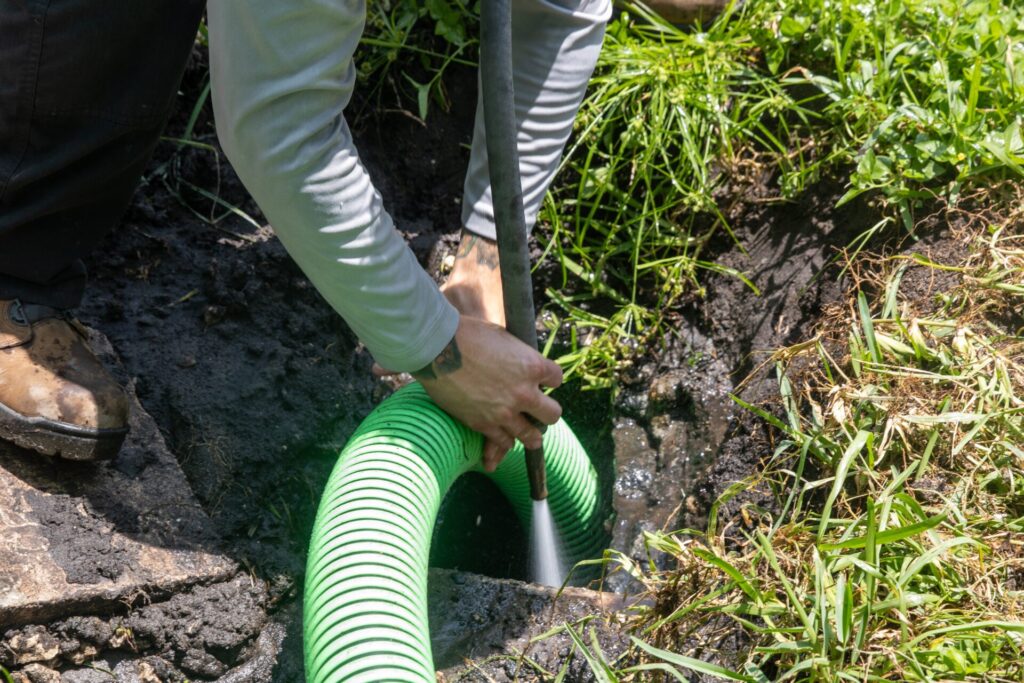
Start by using a wet/dry vacuum to remove standing water as quickly as possible. This tool is essential for effective water removal techniques, allowing you to tackle large volumes of water efficiently.
Position the vacuum in the deepest areas of the basement and work your way towards the exit, ensuring you capture as much water as possible.
If the water is particularly deep, consider using a submersible pump to expedite the process. These pumps are designed for significant water removal and can enhance your overall cleanup strategy.
In addition, look for effective drainage solutions such as installing sump pumps or improving the grading around your home to prevent future flooding.
After you’ve effectively removed standing water, you can shift your focus to drying and disinfecting your basement to restore it to a safe and habitable state.
Cleaning and Disinfecting Affected Areas
Cleaning and disinfecting affected areas is essential to prevent health hazards and further damage after a flood. The right approach can guarantee your space is safe and habitable again. Start with these steps:
- Disinfecting surfaces: Use a mixture of water and bleach (1:10 ratio) to thoroughly clean hard surfaces, guaranteeing you cover all affected areas.
- Sanitizing materials: Fabrics and porous materials can harbor bacteria. Wash items in hot water or consider replacing them if they’re heavily soiled.
- Drying thoroughly: After cleaning, guarantee everything is completely dry to prevent mold growth. Use fans and dehumidifiers to speed up the process.
Addressing Sewage Contamination
Although flooding can lead to significant damage, addressing sewage contamination promptly is crucial to protect your health and property.
Begin by identifying contamination signs, which may include unpleasant odors, discoloration, or visible waste. Implement sewage protocols immediately to mitigate risks.
First, ascertain you wear appropriate personal protective equipment (PPE) such as gloves, masks, and boots.
Next, isolate the contaminated area by sealing off doors and vents to prevent further spread. Use pumps to remove standing water, then thoroughly clean surfaces with a disinfectant specifically designed for sewage cleanup.
Monitor the affected area for lingering odors or stains, which may indicate incomplete removal of contaminants.
If you’re unsure about the effectiveness of your cleanup, consult a professional service experienced in sewage contamination.
Taking these steps not only secures your environment but also fosters a sense of safety and belonging within your home.
Preventing Future Flooding and Sewage Issues
To prevent future flooding and sewage issues, you need to focus on three key strategies: regular drain maintenance, proper sump pump installation, and effective landscaping for drainage solutions.
Each of these components plays a critical role in managing water flow and minimizing the risk of sewage backup.
Regular Drain Maintenance
Regular drain maintenance is essential for preventing future flooding and sewage issues, as neglecting this critical aspect can lead to costly repairs and health hazards.
To guarantee your drains operate efficiently, incorporate routine inspections and proactive measures. Here are three key practices to follow:
- Clear debris regularly: Remove leaves, dirt, and other materials that can contribute to drain blockages.
- Inspect for leaks: Regularly check for leaks or cracks in your plumbing that might cause water to back up.
- Use enzyme-based cleaners: These can help break down organic materials in your drains, reducing the risk of blockages.
Proper Sump Pump Installation
A properly installed sump pump is essential for safeguarding your basement against flooding and sewage backups. Start by choosing the right sump pump types, such as submersible or pedestal pumps, based on your specific needs. Confirm you select a unit with adequate horsepower to handle your basement’s water volume.
When it comes to installation techniques, place the pump in the lowest part of the basement, ideally within a sump pit. Connect the discharge pipe to direct water away from your foundation. Make sure to use a check valve to prevent backflow.
Finally, test your pump periodically to verify it’s functioning correctly. By following these steps, you’ll considerably reduce the risk of future flooding and sewage issues in your home.
Landscaping for Drainage Solutions
While improper landscaping can exacerbate flooding issues, strategic landscaping can effectively manage drainage and reduce the risk of sewage backups.
To enhance your drainage systems, consider the following landscaping design elements:
- Grading: Confirm your yard slopes away from your foundation to direct water flow effectively.
- French Drains: Install these systems to capture and redirect excess water away from critical areas.
- Native Plants: Use vegetation that thrives in your local climate, as they require less water and help absorb excess moisture.
When to Call a Professional for Help
When evaluating your flooded basement, the severity of contamination is critical in determining whether you need professional assistance.
If you notice hazardous levels of sewage or experience health risks, it’s essential to call in experts.
Ignoring these factors can lead to serious health complications and structural damage.
Severity of Contamination
Determining the severity of contamination in a flooded basement is essential for ensuring your safety and health.
When evaluating the situation, consider the sewage types involved and contamination levels. Here are key indicators that it’s time to call a professional:
- Black Water Presence: If you notice raw sewage or highly contaminated water, this poses serious health risks.
- Extensive Damage: If structural materials like drywall or insulation are saturated and compromised, professional help is necessary.
- Lingering Odors: Persistent foul smells indicate hidden contamination that you may not be able to address alone.
Recognizing these factors not only protects you but fosters a sense of community, as you seek the right help for a safe recovery.
Health Risks Involved
Health risks associated with sewage contamination in flooded basements can escalate quickly, making it essential to understand when to seek professional assistance.
If you notice any signs of mold growth or experience symptoms such as persistent coughing, skin irritation, or gastrointestinal issues, it’s vital to act promptly.
Bacterial infections can thrive in contaminated water, posing serious health threats.
If the contamination is extensive, or if you’re unsure about the safety of your cleanup efforts, don’t hesitate to call professionals.
They’ve the expertise and equipment to safely manage the situation, reducing your risk of exposure to harmful pathogens and ensuring a thorough remediation process.
Prioritize your health and safety—make informed choices when dealing with sewage contamination.
Frequently Asked Questions
How Can I Prevent Mold Growth After Sewage Cleanup?
To prevent mold growth after cleanup, apply mold inhibitors and guarantee proper ventilation techniques. Use fans and dehumidifiers to reduce moisture levels, creating an environment where mold struggles to thrive, promoting a healthier space for you.
What Personal Protective Equipment Is Essential During Cleanup?
When diving into cleanup, think of yourself as a knight donning armor. You’ll need protective gear like gloves, masks, and goggles. These safety measures shield you from contaminants, ensuring your health remains intact throughout the process.
Are There DIY Solutions for Sewage Odor Removal?
Yes, you can use DIY solutions like vinegar and baking soda to neutralize sewage odor. Combine them in equal parts, let the mixture sit, then rinse to effectively eliminate unpleasant smells from affected areas.
How Long Does It Take for a Basement to Dry Completely?
“Time and tide wait for no man.” A basement typically takes 3-5 days to dry completely, depending on drying techniques and drying equipment used. Proper ventilation accelerates the process, ensuring you restore your space efficiently.
Can Insurance Cover Sewage Cleanup Costs?
Yes, insurance can cover sewage cleanup costs, but it depends on your insurance policies and their coverage limits. Review your policy details carefully to understand what’s included and what expenses you might need to cover yourself.
Wrap-Up
By following these affordable sewage cleanup tips, you can transform a flooded basement from a dank, moldy mess into a clean, dry space. Picture the satisfaction of standing in a freshly sanitized area, free from the odor of sewage and the threat of mold. With careful assessment, effective water removal, and thorough disinfection, you not only reclaim your basement but also protect your home from future flooding. Remember, staying proactive is key to a safer, healthier living environment.