
Table of Contents
When floodwaters invade your home, the aftermath can be overwhelming. You need to act quickly and know the right steps to minimize flood damage and costs. Understanding techniques like using wet/dry vacuums or dehumidifiers can be vital for an efficient recovery. But what about finding the right restoration service? The choices you make now can greatly impact your home’s future resilience against floods. Let’s explore the essential strategies to navigate this challenging situation.
Key Takeaways
- Look for local restoration services that offer competitive pricing and free estimates to ensure affordability.
- Consider DIY methods for minor repairs, such as using wet/dry vacuums and dehumidifiers to save costs.
- Research companies with positive customer reviews to find reliable yet affordable restoration options.
- Check for any available government grants or assistance programs for flood recovery to alleviate financial burdens.
- Prioritize preventative measures, like installing flood barriers, to reduce future restoration costs.
Understanding Flood Damage and Its Impact on Homes
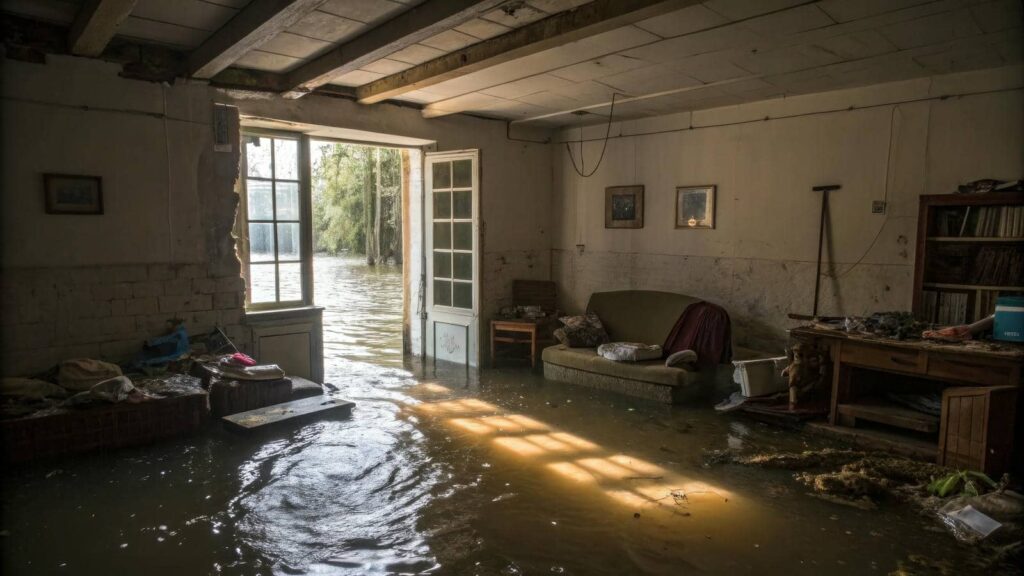
When floodwaters invade your home, the damage can be devastating, affecting the structure and your family’s sense of safety and comfort.
Understanding the flood types—such as flash floods, river floods, or storm surges—helps you assess the specific risks to your property. Each type can cause unique damage patterns, from erosion to mold growth.
Understanding the different flood types is crucial for assessing property risks and potential damage patterns.
A thorough property assessment is essential for identifying affected areas, including walls, floors, and electrical systems. Knowing where to focus your efforts can greatly impact restoration.
It’s important to remember that you’re not alone in this struggle; many families face similar challenges, and seeking help can foster a sense of community and belonging as you rebuild your life after such a traumatic event.
Steps to Take Immediately After a Flood
As soon as the floodwaters recede, your priority should be ensuring the safety of your family and evaluating your home for immediate hazards.
Begin by checking for structural damage, such as cracks or weakened foundations. Turn off the electricity and gas if it’s safe to do so. Use your emergency supplies, including flashlights and first aid kits, to address any urgent needs.
Next, assess the water safety. Avoid contact with contaminated water and don’t wade through floodwaters unless absolutely necessary.
Document any damage for insurance purposes, taking photos and notes. If mold appears, don’t hesitate to seek professional help.
Your well-being and that of your loved ones is paramount, so take each step with care and caution.
Cost-Effective Restoration Techniques
Although flood damage can be overwhelming, implementing cost-effective restoration techniques can greatly reduce your expenses while restoring your home.
Start with budget-friendly solutions like using a wet/dry vacuum to remove water and dehumidifiers to dry out the space. If you’re handy, consider DIY restoration, such as removing damaged drywall and replacing it with moisture-resistant materials.
Begin with affordable solutions like wet/dry vacuums and dehumidifiers, and consider DIY repairs for a cost-effective restoration.
You can also tackle minor repairs like sealing windows and doors to prevent future leaks. For flooring, salvaging tiles or using peel-and-stick vinyl can save you money.
Always prioritize safety and consult with professionals if you’re unsure. By taking these steps, you can reclaim your home without breaking the bank, fostering a sense of belonging as you rebuild your sanctuary.
Choosing the Right Restoration Service
Restoring your home after a flood is not just about tackling the immediate damage; it’s also about finding the right restoration service to ensure a thorough and effective recovery. You’ll want to evaluate the restoration service qualifications, confirming they’re certified and experienced in flood damage. Don’t forget to check their customer service reputation—positive reviews can indicate reliability and empathy during tough times.
Selecting wisely can make all the difference in your recovery journey.
Preventative Measures to Avoid Future Flood Damage
To effectively safeguard your home from future flood damage, it’s crucial to implement a series of proactive measures that address potential vulnerabilities.
Start by installing flood barriers around your property; these can considerably reduce water intrusion during heavy rains.
Additionally, make certain your drainage systems are functioning at their best—clean gutters regularly and consider adding a sump pump if you’re in a flood-prone area.
You might also want to landscape your yard to direct water away from your foundation, creating a natural barrier.
Finally, keep an eye on local weather forecasts and flood alerts, so you can act quickly when needed.
Frequently Asked Questions
How Long Does Flood Damage Restoration Typically Take?
Flood restoration timelines can vary, but the restoration process typically takes between a few days to several weeks. Factors like water damage severity and drying time affect how long you’ll wait for your home to return to normal.
Will My Insurance Cover Flood Damage Restoration Costs?
You might find it surprising, but your insurance policies often have varying coverage limits for flood damage. It’s essential to review your policy details, discuss with your agent, and ensure you understand what’s included and excluded.
Can I Stay in My Home During Restoration?
You might need temporary relocation during restoration due to safety concerns. Contractors often assess your home’s condition, ensuring your well-being. Staying informed helps you feel secure, fostering a sense of belonging throughout the process.
What Items Can Be Salvaged After a Flood?
After a flood, you can salvage items like your grandfather’s antique chair through furniture restoration. Additionally, electronics salvage can recover valuable devices like your laptop, ensuring you keep what matters most during this tough time.
Are There Government Grants Available for Flood Restoration?
Yes, you can find government grants through flood assistance programs and federal relief options. These resources aim to support individuals like you, helping restore your home and community after devastating flood events. Don’t hesitate to explore them!
Final Thoughts
So, you’ve waded through the murky waters of flood damage and realized that fixing your home doesn’t have to drain your wallet. With a sprinkle of DIY ingenuity and a dash of professional help, you can restore your sanctuary without feeling like you’ve just funded a small country’s rebuilding efforts. Just remember, while flood barriers won’t stop the rain from falling, they might just save you from a second mortgage—because who really needs that kind of stress, right?