
Table of Contents
The theory that mold can be completely eliminated after flooding is misleading; in reality, effective mold prevention strategies are essential to mitigate its growth. Immediately evaluating water damage and addressing safety risks can set the stage for successful remediation. However, the steps you take next are critical in determining your property’s future health. What specific actions should you prioritize to safeguard against mold’s relentless return?
Key Takeaways
- Conduct a thorough water damage assessment to identify structural integrity issues and potential mold growth indicators like damp insulation and stained surfaces.
- Remove standing water promptly using pumps or wet vacuums, ensuring hidden areas are thoroughly dried to prevent mold proliferation.
- Clean and disinfect all affected surfaces with appropriate cleaning agents to eliminate contaminants and prevent mold development from lingering traces.
- Seal vulnerable entry points with quality sealants and insulate pipes and walls to minimize moisture intrusion and condensation buildup.
- Regularly monitor humidity levels with moisture sensors, keeping them below 60% to deter mold growth, and consult professionals for tailored recovery solutions.
Assessing Water Damage and Safety Risks
Before you begin any cleanup, it’s vital to assess the extent of water damage and identify potential safety risks. Start with a thorough water damage assessment, checking for structural integrity, electrical issues, and contamination. Look for warped floors, stained walls, and damp insulation. These indicators signal the need for immediate attention.
Next, conduct a safety evaluation. Confirm the area is free from hazards like exposed wires or mold spores. If you smell mustiness or see discoloration, it’s imperative to address these issues promptly to prevent health risks.
Document your findings to guide your next steps and share with professionals if needed. By taking these precautions, you create a safer environment for yourself and those around you, fostering a sense of community and support.
Removing Standing Water Promptly
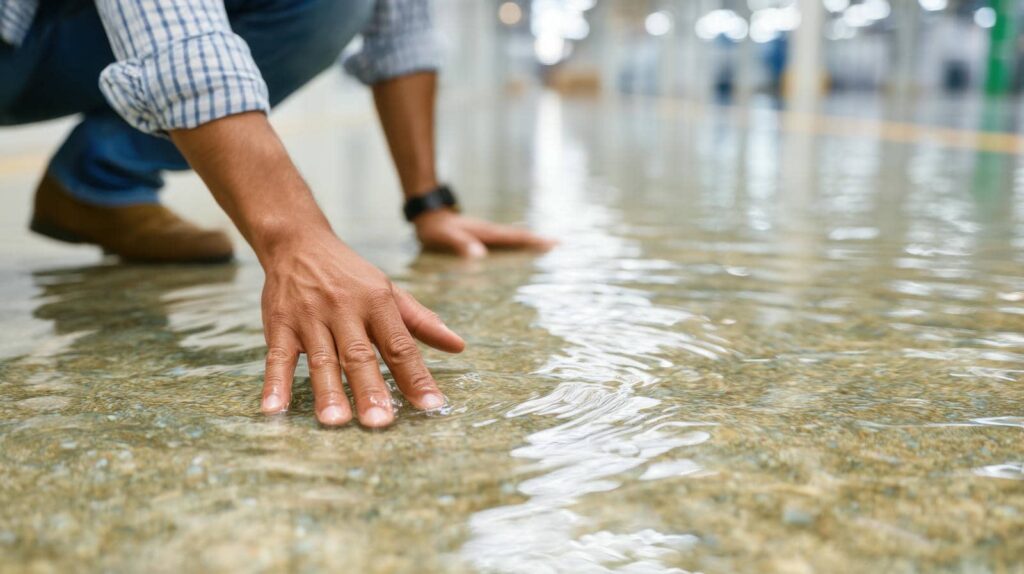
Act quickly to remove standing water, as swift action is vital in preventing mold growth and further damage.
In the flood aftermath, the presence of standing water can create an ideal breeding ground for mold and bacteria. Use pumps or wet vacuums to extract water efficiently.
If the flooding is severe, consider enlisting professional help to ensure thorough removal. Pay attention to hidden areas like basements, crawl spaces, and behind walls, where water can linger unnoticed.
Drying and Dehumidifying Affected Areas
To effectively prevent mold growth after flooding, drying and dehumidifying affected areas is essential. Start by using appropriate drying techniques such as air movers and fans to increase airflow. This helps evaporate moisture quickly.
Consider the different dehumidifier types available, like refrigerant and desiccant, to suit your specific needs. Refrigerant dehumidifiers work well in warm areas, while desiccant types excel in cooler conditions. Aim to reduce humidity levels below 60% to create an unfavorable environment for mold.
Regularly monitor progress using a hygrometer, ensuring no hidden moisture lingers in walls or carpets. By employing these strategies, you’ll foster a safer, healthier space for you and your loved ones, reinforcing your commitment to a mold-free environment.
Cleaning and Disinfecting Surfaces
Once you’ve effectively dried and dehumidified the affected areas, the next step involves cleaning and disinfecting surfaces to eliminate any remaining contaminants. This is essential in preventing mold growth, as even small traces can lead to larger problems. Use appropriate cleaning agents like bleach solutions or commercial mold removers, ensuring you follow safety guidelines.
Salvaging Personal Belongings
After flooding, salvaging personal belongings quickly is essential to prevent further damage and mold growth.
Start by evaluating your items, prioritizing those with high sentimental or monetary value. Use effective restoration techniques, such as gently cleaning with mild soap and water for hard surfaces, and air drying items thoroughly to inhibit mold.
For textiles, wash them in hot water and dry them completely. If electronics are affected, consult a professional for proper evaluation and repair to avoid electrical hazards.
Remember that some items may be beyond saving; in those cases, prioritize personal item preservation by documenting them through photos before disposal.
Timely action is vital in keeping your cherished belongings safe and intact after such an event.
Sealing and Insulating Vulnerable Areas
After a flood, it’s essential to identify vulnerable entry points in your home where moisture can seep in.
Using quality sealants on these areas, along with insulating pipes and walls, can greatly reduce the risk of mold growth.
Taking these proactive steps helps protect your living space from future water damage and ensures a healthier environment.
Identify Vulnerable Entry Points
Identifying vulnerable entry points in your home is essential for effective mold prevention after flooding.
Start by inspecting areas where moisture can easily seep in, such as windows, doors, and foundation cracks. These entry points are prime candidates for mold growth if not adequately protected.
Consider installing moisture barriers to prevent water intrusion and ensure your home remains dry.
Pay close attention to attics and basements, as these spaces often harbor hidden vulnerabilities. Seal gaps and cracks with appropriate materials to reinforce your defenses.
By systematically addressing these entry points, you create a more resilient environment against mold, fostering a sense of security and belonging within your home.
Take proactive steps now to safeguard your space for the future.
Use Quality Sealants
To effectively seal and insulate vulnerable areas in your home, using quality sealants is crucial for mold prevention after flooding.
Understanding various sealant types—like silicone, polyurethane, and latex—helps you choose the right product for different applications. Silicone sealants are ideal for areas exposed to moisture, while polyurethane offers durability for outdoor applications.
When applying these sealants, verify surfaces are clean and dry for best adhesion. Use caulking guns for precise application, filling gaps thoroughly to prevent moisture entry.
Additionally, follow the manufacturer’s instructions regarding curing times and environmental conditions. By employing these application techniques, you’ll create a robust barrier against mold, promoting a healthier living environment for you and your family.
Insulate Pipes and Walls
Once you’ve sealed and insulated the vulnerable areas of your home, it’s time to focus on insulating pipes and walls to further prevent mold growth.
Proper pipe insulation is vital, as uninsulated pipes can lead to condensation, creating a perfect environment for mold. Use foam or fiberglass insulation to cover exposed pipes, especially in areas prone to temperature fluctuations.
Additionally, wall protection is essential. Insulating your walls can help maintain consistent temperatures and reduce moisture buildup.
Consider using vapor barriers, especially in basements and crawl spaces. These strategies safeguard your home from mold and enhance energy efficiency.
Monitoring Humidity Levels
To effectively prevent mold growth, you need to monitor humidity levels closely.
The ideal humidity range should be between 30% and 60%, and using hygrometers can help you keep track.
Regular checks are essential, ideally at least once a week, to ensure your space remains mold-free.
Ideal Humidity Range
While it’s easy to overlook humidity levels in the aftermath of flooding, maintaining the ideal humidity range is essential for mold prevention.
The best indoor humidity should be between 30% and 60%. Staying within this range promotes effective humidity control and minimizes the risk of mold growth.
Too much humidity creates a breeding ground for mold, while too little can lead to other issues like dry air and discomfort.
Implementing moisture management strategies, such as using dehumidifiers or improving ventilation, can help you achieve and maintain this balance.
Regularly checking humidity levels gives you a sense of control over your environment, fostering a more comfortable and healthier living space for you and your family.
Tools for Monitoring
Effective mold prevention hinges on the consistent monitoring of humidity levels, and having the right tools can make this task straightforward.
Investing in moisture sensors is essential for accurate readings in your home. These devices provide real-time data, allowing you to identify areas with elevated humidity that could foster mold growth.
Additionally, consider using portable hygrometers for quick assessments in various rooms. For thorough mold detection, some advanced systems integrate both moisture sensors and smart technology, alerting you to changes via your smartphone.
Regular Check Frequency
Regular checks of humidity levels should occur at least once a week, especially in areas prone to moisture accumulation.
This proactive approach allows you to catch potential mold growth early.
Integrating regular inspections into your maintenance schedules ensures that you’re consistently monitoring conditions that could foster mold.
Use a hygrometer to measure humidity, keeping levels below 60% to deter mold growth.
If you notice elevated humidity, take immediate action—ventilate the area, use dehumidifiers, or increase air circulation.
Remember, forming a habit of regular checks protects your property and cultivates a sense of community responsibility.
Utilizing Mold-Resistant Products
When choosing materials for repairs after flooding, incorporating mold-resistant products can greatly reduce the risk of mold growth in your space.
Opt for mold-resistant paints that contain antimicrobial agents, preventing mold spores from settling and thriving on surfaces. These paints protect your walls and maintain the aesthetic appeal of your home.
Choose mold-resistant paints with antimicrobial agents to protect your walls and preserve your home’s beauty.
Additionally, consider using mold-resistant materials, such as drywall and insulation, specifically designed to withstand moisture and resist mold infiltration.
By integrating these products into your restoration efforts, you’re not just safeguarding your environment; you’re fostering a healthier community.
Investing in mold-resistant options ensures that your space remains a comfortable haven for you and your loved ones, thereby enhancing your sense of belonging and overall well-being.
Consulting Professionals for Comprehensive Restoration
While tackling the aftermath of flooding, consulting professionals for thorough restoration is essential to ensure that all aspects of mold prevention and property recovery are addressed effectively.
Experts conduct a detailed mold assessment, identifying hidden moisture and potential growth areas you might overlook. Their experience affirms that you receive tailored solutions for your specific situation, minimizing health risks and property damage.
Professional remediation services use specialized equipment and techniques to eliminate mold safely, protecting your home and family.
By relying on trained professionals, you can be confident that the restoration process will adhere to industry standards, fostering a healthier living environment.
Ultimately, bringing in experts helps you reclaim your space while affirming that it remains mold-free moving forward.
Frequently Asked Questions
How Long Does Mold Take to Grow After Flooding?
After flooding, mold growth can start within 24 to 48 hours. In the flooding aftermath, understanding this mold growth timeline helps you take immediate action to prevent extensive damage and protect your living environment.
What Are the Health Effects of Mold Exposure?
Mold’s menacing presence can provoke persistent problems. You might experience mold symptoms like sneezing, coughing, or respiratory issues, impacting your daily life and well-being. Recognizing these effects is essential for maintaining a healthy, harmonious environment.
Can I Prevent Mold Without Professional Help?
Yes, you can prevent mold without professional help. By using DIY methods like maintaining low humidity, ensuring proper ventilation, and promptly addressing leaks, you can effectively implement mold prevention strategies and protect your home.
Are There Specific Cleaning Products That Kill Mold?
When tackling mold, you’ll find that mold-killing products like bleach or vinegar are effective cleaners. They can eliminate spores, but remember to follow safety guidelines, ensuring a clean, safe environment for everyone around you.
How Can I Tell if Mold Is Hidden?
To detect hidden mold, carefully inspect damp areas, check behind walls, and look for discoloration or musty odors. Using mold detection kits can also help identify hidden mold that’s not visible to the naked eye.
Wrap-Up
Effectively preventing mold after flooding isn’t just about cleaning up; it’s about safeguarding your home and health. Think of your property as a fortress—every step you take to assess, dry, and seal is a brick in that stronghold against future threats. By monitoring humidity and using mold-resistant products, you’re repairing damage while building resilience. So, act swiftly and decisively—your diligence today shapes the safety of your tomorrow.