
Table of Contents
When faced with water damage, your immediate actions can determine whether mold takes hold. Start by evaluating the extent of the damage, identifying both visible moisture and hidden dampness. Within 24 to 48 hours, removing standing water is vital to mitigate mold growth. Once you’ve tackled that, drying the affected areas thoroughly becomes your next priority. However, it’s not just about drying; understanding the complete process is essential to effectively prevent future mold issues.
Key Takeaways
- Inspect affected areas for moisture and decay, documenting findings and addressing any mold types immediately.
- Remove standing water within 24 to 48 hours using pumps and wet vacuums to prevent mold growth.
- Clean and disinfect surfaces thoroughly, scrubbing visible mold and rinsing with clean water before drying completely.
- Monitor humidity levels with a hygrometer, aiming to maintain a range of 30% to 60% to inhibit mold growth.
- Conduct regular inspections of moisture-prone areas, documenting issues and implementing preventive measures to stop mold recurrence.
Assess the Extent of Water Damage
After experiencing water damage, the first step is to assess the extent of the damage thoroughly.
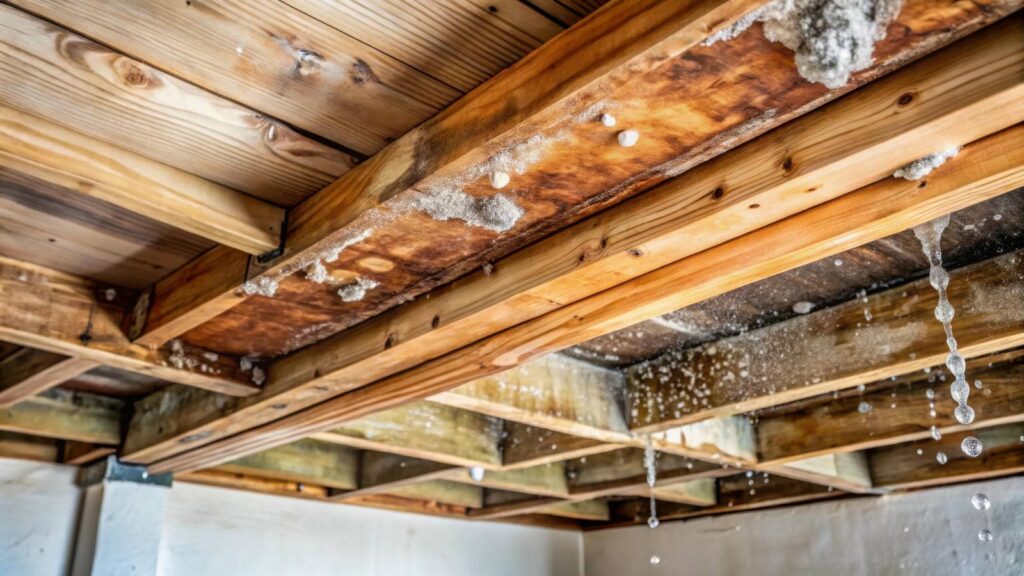
Begin by inspecting affected areas, looking for visible signs of moisture and decay. Use moisture meters to determine hidden dampness in walls and floors.
Inspect affected areas for signs of moisture and decay, using moisture meters to uncover hidden dampness in walls and floors.
Pay special attention to mold types that may develop, such as black mold and white mold, which thrive in wet environments.
Document your findings meticulously, noting the specific areas impacted and the severity of the damage. This damage assessment will guide your next steps in remediation.
Don’t overlook small areas, as even minor moisture can lead to significant mold growth.
Remove Standing Water Immediately
Removing standing water within 24 to 48 hours is critical to preventing mold growth and further damage. Taking immediate action protects your property and fosters a sense of community as you ensure a safe environment for everyone involved. Use a pump or wet vacuum to extract the water efficiently.
Dry Affected Areas Thoroughly
To effectively dry affected areas, utilize dehumidifiers to reduce moisture levels in the air.
Ensure proper ventilation by opening windows and using fans to facilitate airflow, which helps in expediting the drying process.
Use Dehumidifiers Effectively
When dealing with water damage, using dehumidifiers effectively is crucial for thoroughly drying affected areas and preventing mold growth. Start by adjusting the dehumidifier settings based on the humidity level in your space. Aim for a relative humidity of 30-60% to ensure ideal moisture control.
Place the dehumidifier in the center of the affected area for maximum effectiveness. Regularly check the water reservoir and empty it as needed to maintain continuous operation.
Ventilate Spaces Properly
Dehumidifiers help reduce moisture, but proper ventilation is just as important for drying affected areas thoroughly and preventing mold growth.
To achieve effective moisture control, implement airflow techniques like opening windows and doors to create cross-ventilation. Using fans strategically can enhance air circulation, targeting damp spots directly. You might also consider utilizing exhaust fans in bathrooms and kitchens to remove humid air.
For larger spaces, industrial blowers can expedite drying. Make certain that vents are unobstructed and maintain airflow throughout the area.
Regularly monitor humidity levels with a hygrometer, aiming for 30-60% relative humidity. By fostering a well-ventilated environment, you expedite the drying process and greatly reduce the risk of mold development, creating a healthier living space for everyone.
Use Dehumidifiers and Fans
Using dehumidifiers and fans effectively can greatly reduce moisture levels in areas affected by water damage.
Start by adjusting your dehumidifier settings to a low humidity level, ideally between 30% and 60%. This range helps prevent mold growth while keeping your space comfortable.
Adjust your dehumidifier to maintain humidity levels between 30% and 60% to prevent mold growth and enhance comfort.
Next, strategically place fans to ensure ideal air circulation. Position them to blow air across damp surfaces, which accelerates evaporation. It’s essential to avoid directing fans towards walls or corners where moisture can become trapped.
Monitor the humidity levels regularly, and keep both devices running continuously until you notice a significant decrease in moisture.
Clean and Disinfect Surfaces
To effectively combat mold growth after water damage, it’s vital to clean and disinfect all affected surfaces thoroughly.
Start by identifying the surface materials in your space, such as wood, drywall, or tile. Choose appropriate cleaning solutions for each material, ensuring they effectively kill mold spores.
Use a sponge or cloth to apply the cleaning solution, scrubbing vigorously to remove any visible mold. After cleaning, rinse the surfaces with clean water and dry them completely to prevent future mold growth.
Don’t forget to wear protective gear, including gloves and a mask, to safeguard your safety during this process.
Remove Damaged Materials
After thoroughly cleaning and disinfecting surfaces, the next critical step is to remove any materials that have been greatly damaged by water.
Begin by identifying items like drywall, insulation, or carpeting that have absorbed moisture and may harbor mold.
Follow disposal guidelines to ensure safe and responsible disposal; this often means sealing damaged materials in plastic bags before discarding them.
For replacements, consider using mold-resistant materials, such as treated drywall or moisture-resistant insulation.
These options help prevent future mold growth and contribute to a healthier living environment.
Always wear protective gear during this process to shield yourself from potential contaminants, safeguarding both your safety and the integrity of the remaining structure.
Monitor Humidity Levels
As you work to mitigate mold growth, monitoring humidity levels becomes essential, since elevated moisture can create an environment conducive to mold proliferation. Regular moisture monitoring is vital for effective humidity control. Use a hygrometer to track indoor humidity, aiming to maintain levels between 30% and 60%.
Address Plumbing Issues Promptly
Since even minor plumbing issues can lead to significant water damage and mold growth, addressing them promptly is crucial.
Regular plumbing maintenance is your first line of defense. Inspect pipes, faucets, and appliances for any signs of wear or water leaks. If you notice damp spots or dripping water, don’t hesitate to act. Fixing small leaks can prevent larger problems down the line.
It’s wise to familiarize yourself with the location of shut-off valves and verify they function correctly. Schedule inspections with a qualified plumber if you’re uncertain about the state of your plumbing.
Seal and Insulate Vulnerable Areas
To effectively prevent mold growth after water damage, it’s essential to seal and insulate vulnerable areas in your home. Begin by identifying spots prone to moisture, such as basements and crawl spaces. Use high-quality insulation materials, like fiberglass or spray foam, to maintain temperature control. Employ sealing techniques such as caulking gaps, applying weatherstripping, and using vapor barriers.
Regularly Inspect for Mold Growth
While you might think your home is safe after addressing initial water damage, regular inspections for mold growth are essential to ensure ongoing protection.
Implementing mold prevention strategies starts with routine inspections, ideally conducted every month. Focus on areas prone to moisture, such as basements, bathrooms, and under sinks. Use a flashlight to check for discoloration or a damp smell, which are often early signs of mold.
Don’t forget to inspect hidden spaces, like behind appliances and inside walls. If you detect any issues, address them immediately to prevent further growth.
Keeping a detailed log of your inspections can help track any recurring problems, ensuring your home remains a safe, welcoming space for you and your loved ones.
Frequently Asked Questions
How Long Does It Take for Mold to Develop After Water Damage?
Mold growth timeline typically begins within 24 to 48 hours after water damage, influenced by factors like temperature, humidity, and material type. Addressing these factors quickly can greatly reduce mold development in your space.
Can I Use Bleach to Kill Mold Effectively?
You can use bleach to kill mold, but its effectiveness depends on the surface and mold type. Many mold myths suggest bleach’s superiority; however, it often fails to penetrate porous materials, leaving spores behind.
What Are the Health Risks Associated With Mold Exposure?
Mold exposure can lead to various health risks, including mold symptoms like coughing, sneezing, and skin irritations. You might experience allergic reactions, which could worsen with prolonged exposure, affecting your overall well-being and quality of life.
Should I Hire a Professional for Mold Removal?
You should hire a professional for mold remediation. A professional assessment ensures thorough removal, minimizing health risks and future growth. Their expertise assures proper techniques and safety measures, providing you with peace of mind in your environment.
How Can I Prevent Mold Growth in the Future?
You might think preventing mold is tough, but it’s manageable. Focus on humidity control and schedule regular inspections to catch issues early. This proactive approach helps maintain a healthy environment for you and your loved ones.
Conclusion
To effectively stop mold after water damage, you must act swiftly and methodically. For example, consider mold in a basement after a burst pipe. By promptly removing the standing water, using dehumidifiers, and regularly monitoring humidity levels, mold can be successfully eliminated and future growth prevented. Following these steps diligently safeguards your home and ensures a healthier living environment, free from the risks associated with mold exposure.