
Table of Contents
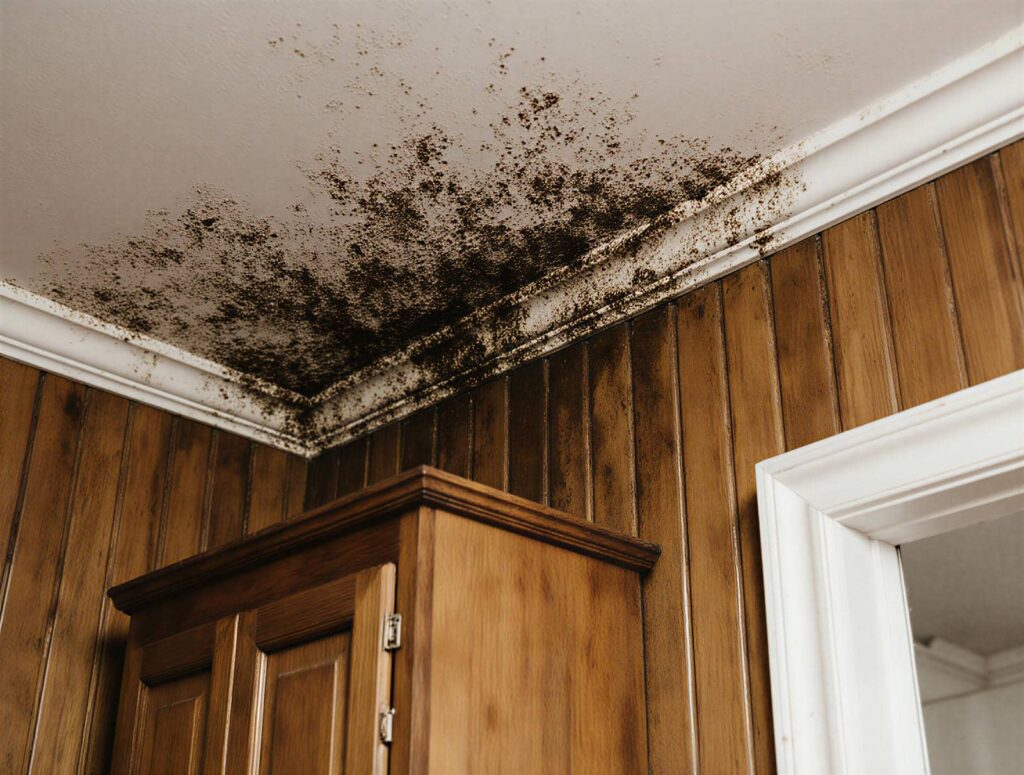
After flooding, mold cleanup is critical to protect your health and property. You need to assess the extent of the water damage and act quickly to prevent mold growth. Wearing protective gear is essential, as is the prompt removal of wet materials. But knowing how to properly dry the area and eliminate mold spores can make all the difference. Let’s explore these key steps to ensure your space remains safe and mold-free.
Key Takeaways
- Assess the extent of water damage to identify affected areas and prioritize repairs for effective mold cleanup.
- Wear protective gear, including gloves, masks, and goggles, to shield yourself from mold exposure during cleanup.
- Remove wet materials promptly, including carpets and furniture, to reduce moisture levels and prevent mold growth.
- Thoroughly dry the affected area using ventilation, dehumidifiers, and fans to eliminate excess humidity and prevent mold regrowth.
- Use appropriate mold inhibitors and cleaners, ensuring safe application to eliminate mold spores and prevent future outbreaks.
Assess the Extent of Water Damage
Before you start any mold cleanup, it’s crucial to assess the extent of water damage in your space.
Begin by inspecting areas where water intrusion occurred, like basements or lower levels. Look for visible signs such as discoloration, warping, or peeling paint.
This water damage assessment identifies affected areas and helps you determine the structural integrity of your home.
Check for compromised beams or flooring, as these issues can escalate if not addressed promptly.
Document your findings, as this information will guide your cleanup efforts and help you prioritize repairs.
Wear Protective Gear
When tackling mold cleanup, wearing protective gear is essential to safeguard your health. Mold spores can release allergens and irritants, leading to serious respiratory issues.
Start with protective clothing, like long-sleeved shirts and pants, to shield your skin. Don’t forget gloves—rubber or nitrile ones will keep your hands safe from irritants. A mask rated N95 or higher is vital for filtering airborne particles.
Safety equipment, including goggles, can protect your eyes from mold exposure and debris. Confirm your gear fits well, allowing you to move freely while providing adequate protection.
Remove Wet Materials Promptly
After ensuring your safety with protective gear, promptly removing wet materials becomes a priority in mold cleanup. The longer water-logged items remain, the higher the risk of mold growth.
Start by identifying and removing any soaked carpets, furniture, and personal belongings. This initial water extraction reduces moisture levels, which is vital for effective mold prevention. If possible, use a wet/dry vacuum to assist in the removal process.
Don’t forget to check hidden areas like under sinks or behind appliances, where moisture can linger unnoticed. Collaborating with others in your community can also provide support and resources during this challenging time.
Dry the Affected Area Thoroughly
Thoroughly drying the affected area is essential in preventing mold regrowth. You’ll want to implement effective ventilation strategies to reduce humid conditions that promote mold growth. Start by opening windows and using fans to circulate air, speeding up the drying process.
Use Mold Inhibitors and Cleaners
To effectively combat mold growth, using mold inhibitors and cleaners is vital in your cleanup strategy.
Start by selecting appropriate cleaning solutions that specifically target mold spores. Products containing ingredients like bleach or vinegar can be effective, but make sure you’re using them safely and in well-ventilated areas.
Additionally, consider applying mold inhibitors post-cleanup to prevent future outbreaks. These solutions create a protective barrier against moisture, which is essential for mold prevention.
When choosing products, look for those that are eco-friendly and safe for your household.
Frequently Asked Questions
How Long Does It Take for Mold to Develop After Flooding?
Mold growth timeline after flood damage can begin within 24 to 48 hours. If you don’t address moisture quickly, mold can spread rapidly, compromising your environment and health. Always act promptly to prevent extensive issues.
Can I Clean Mold Myself or Should I Hire a Professional?
You can clean mold yourself with DIY cleaning methods, but hiring professional services ensures thorough removal and safety. Weigh your comfort level and the extent of the mold before deciding which approach suits you best.
What Types of Materials Are Most Susceptible to Mold Growth?
Wood surfaces and carpet fibers are particularly susceptible to mold growth due to their porous nature. If they absorb moisture, they create ideal environments for mold, making it essential to monitor and address any dampness promptly.
Are There Any Natural Remedies for Mold Removal?
Imagine tackling mold in your bathroom with a natural solution. Vinegar’s benefits are impressive; it effectively kills mold spores. By spraying undiluted vinegar, you can create a safer environment while avoiding harsh chemicals.
How Can I Prevent Mold in the Future After Cleanup?
To prevent mold in the future, focus on humidity control. Keep indoor humidity below 60%, use dehumidifiers, and ensure proper ventilation. Regularly inspect areas prone to moisture, and address leaks immediately to enhance mold prevention.
Wrap-Up
Effective mold cleanup after flooding is crucial for your health and safety. By evaluating water damage, wearing protective gear, removing wet materials, thoroughly drying the area, and using appropriate mold inhibitors, you can greatly reduce the risk of mold growth. Taking these steps protects your home and ensures a healthier living environment for you and your family.