
Table of Contents
Disposing of biohazardous materials in your home requires careful attention to safety and compliance. You’ll need to assess the residential biohazard type of material and wear proper protective gear before handling it. Using approved disposal containers is vital, along with following local regulations. Understanding these best practices is fundamental, especially if the situation is complex. Let’s explore the key steps to guarantee proper disposal and avoid potential risks.
Key Takeaways
- Identify and assess biohazardous materials to determine their source, type, and potential health risks before handling.
- Always wear appropriate protective gear, including gloves, masks, and eye protection, to prevent exposure during disposal.
- Use approved, puncture-resistant, and leak-proof containers specifically designed for the safe disposal of biohazard materials.
- Clearly label disposal containers with contents, hazards, and disposal dates to ensure safe handling and compliance.
- Follow local regulations and guidelines for biohazard disposal and consider hiring professional cleanup services for complex situations.
Assess the Biohazardous Material
When you encounter potential biohazardous material, it’s essential to assess the situation thoroughly before taking any action.
Start with biohazard identification, pinpointing the source and type of material present. Common examples include blood, bodily fluids, or contaminated sharps. Document your observations, noting any visible indicators or odors that may suggest biological hazards.
Next, conduct a risk assessment by evaluating the potential threat to health and safety. Consider factors such as the material’s volume, its condition, and the environment in which it’s found.
Are others at risk of exposure? Determine whether immediate containment measures are necessary.
Wear Proper Protective Gear
After evaluating the biohazardous material, it’s important to prioritize your safety by wearing proper protective gear.
Start with gloves; select an appropriate type based on the materials you’re handling. Nitrile gloves are often preferred for their durability and resistance to punctures, while latex gloves may be suitable for lighter tasks. Ascertain they fit snugly to prevent any exposure.
Next, consider mask options to protect your respiratory system. A basic surgical mask may suffice for minimal exposure, but for more hazardous substances, you should opt for an N95 respirator or a full-face respirator. The latter provides enhanced protection against airborne pathogens.
Lastly, don’t forget eye protection. Safety goggles or face shields can shield your eyes from splashes or harmful particles.
Use Approved Disposal Containers
Using approved disposal containers is essential for safely managing biohazardous materials. These containers are specifically designed to withstand the rigors of disposal methods that involve hazardous substances.
When selecting a container, it’s vital to take into account container materials that are puncture-resistant, leak-proof, and durable to prevent any accidental exposure. For instance, heavy-duty plastic or metal containers are often recommended, as they provide the necessary protection against spills and contamination.
Label Containers Clearly
Clearly labeling containers is a critical step in biohazard disposal that guarantees safe handling and minimizes risks.
You should use appropriate container types, such as puncture-resistant bins or leak-proof bags, for different biohazard materials. Each container must be clearly marked to indicate its contents and the associated hazards.
Utilize effective labeling methods, like color-coded labels or clear, bold text, to enhance visibility and comprehension.
Include essential information such as the type of biohazard, the date of disposal, and any necessary warnings. This clarity not only aids in safe handling but also fosters a sense of community responsibility among residents.
Follow Local Regulations
Understanding and adhering to local regulations is essential for safe and compliant biohazard disposal. Each community has specific local guidelines that dictate how to handle and dispose of biohazardous materials. By familiarizing yourself with these regulations, you guarantee that you’re not only protecting your health but also contributing to the safety of your neighborhood.
Utilize community resources such as local health departments or waste management facilities to gather information on proper disposal methods. They often provide guidelines on where to take hazardous waste and may even offer designated drop-off events.
Be proactive in checking for updates, as regulations can change.
Hire Professional Biohazard Cleanup Services
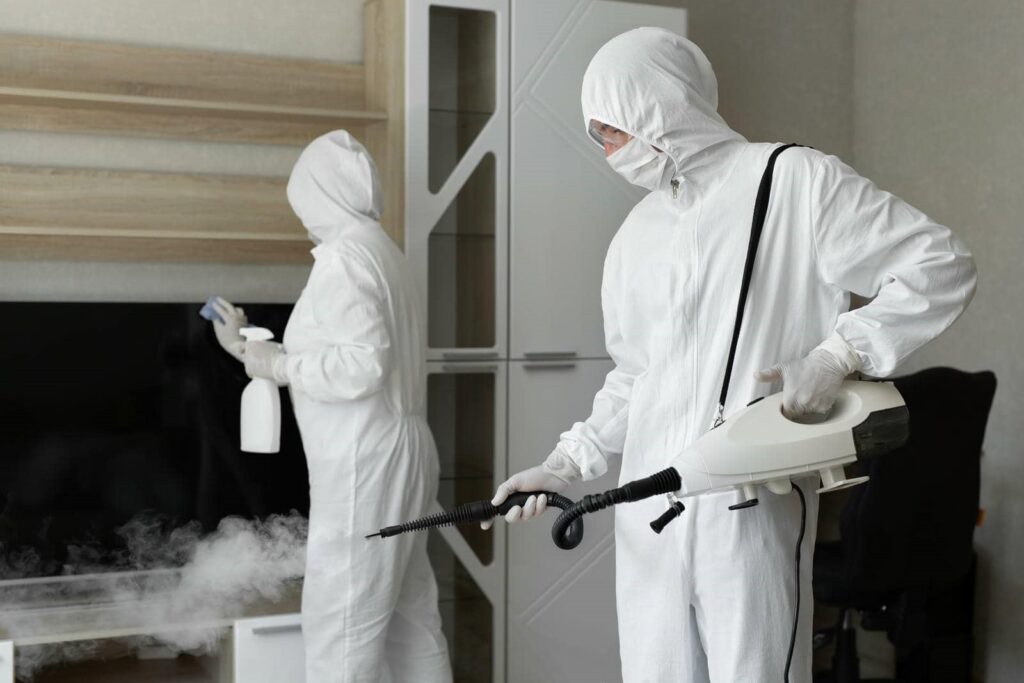
When dealing with biohazardous materials, hiring professional cleanup services is essential for safety and compliance.
These experts possess the necessary training and knowledge to handle hazardous substances correctly, ensuring adherence to local regulations.
Relying on their expertise can protect both your health and your property.
Expertise in Hazardous Materials
If you’re dealing with biohazard materials, hiring professional cleanup services is essential to guarantee safety and compliance with regulations.
These experts possess specialized knowledge in handling hazardous waste, ensuring that all processes are executed with precision. They understand the complexities of material safety, from proper identification to secure disposal methods.
By employing trained professionals, you minimize risks to yourself and others, as they’re equipped with the necessary tools and protective gear. Furthermore, their experience in maneuvering through local and federal guidelines can prevent costly legal repercussions.
Ultimately, relying on their expertise fosters a sense of community, knowing you’re part of a responsible approach to hazardous material disposal. Your safety and well-being are paramount, and professionals can help you achieve that.
Compliance With Regulations
Although you may feel capable of handling biohazard materials on your own, compliance with regulations requires specialized knowledge that only professional cleanup services can provide.
These experts understand the intricate guidelines set by regulatory agencies, ensuring safe and lawful disposal of hazardous materials. By hiring professionals, you mitigate the risk of non-compliance, which can lead to severe legal ramifications, including fines or litigation.
They possess the training and equipment necessary to handle biohazards safely, protecting both your health and the environment.
Additionally, working with professionals fosters a sense of community responsibility, emphasizing the importance of adhering to safety standards. Trusting experts not only safeguards your home but also aligns you with best practices that benefit everyone.
Document the Disposal Process
To guarantee compliance and safety, documenting the disposal process of biohazard materials is essential. By maintaining accurate disposal records, you verify that every step of the process is traceable and compliant with regulations.
Start by noting the type and quantity of biohazard materials you’re disposing of, and include the date and method of disposal.
Utilize tracking methods, such as digital logs or spreadsheets, to streamline your documentation. This not only enhances accountability but also serves as a reference should any questions arise in the future.
Frequently Asked Questions
What Types of Materials Are Considered Biohazardous?
Biohazardous materials include medical waste like used syringes, blood-soaked items, and hazardous materials such as chemicals or pathogens. Handling these requires caution to prevent health risks and guarantee safety in your environment.
Can I Dispose of Biohazardous Waste in Regular Trash?
You can’t dispose of biohazardous waste in regular trash, can you? For household safety, proper waste management is essential. Always follow local regulations to guarantee you’re handling hazardous materials responsibly and protecting your community.
How Can I Identify a Licensed Biohazard Cleanup Service?
To identify a licensed biohazard cleanup service, verify their certification, check for compliance with regulations, and compare services. Confirm they have experience and positive reviews to guarantee safe and effective handling of hazardous materials.
What Are the Risks of Improper Biohazard Disposal?
Improper biohazard disposal exposes you to health hazards like infection and disease transmission. Additionally, you risk legal consequences, including fines and criminal charges, for non-compliance with regulations. Prioritize safety and legality by following proper protocols.
Are There Any Costs Associated With Professional Biohazard Disposal Services?
Yes, there are costs for professional biohazard disposal services. You’ll find a cost breakdown varies by service, including evaluation, transportation, and disposal. Comparing services helps guarantee you choose the best option for your specific needs.
Recap
When it comes to disposing of biohazardous materials, remember to assess, protect, contain, label, comply, and document. By taking these steps, you not only guarantee your safety but also the safety of those around you. Whether you’re handling minor spills or more complex situations, following these best practices minimizes risks and promotes responsible waste management. Don’t hesitate to seek professional help when needed—it’s an essential aspect of maintaining a safe environment in your home.