
Table of Contents
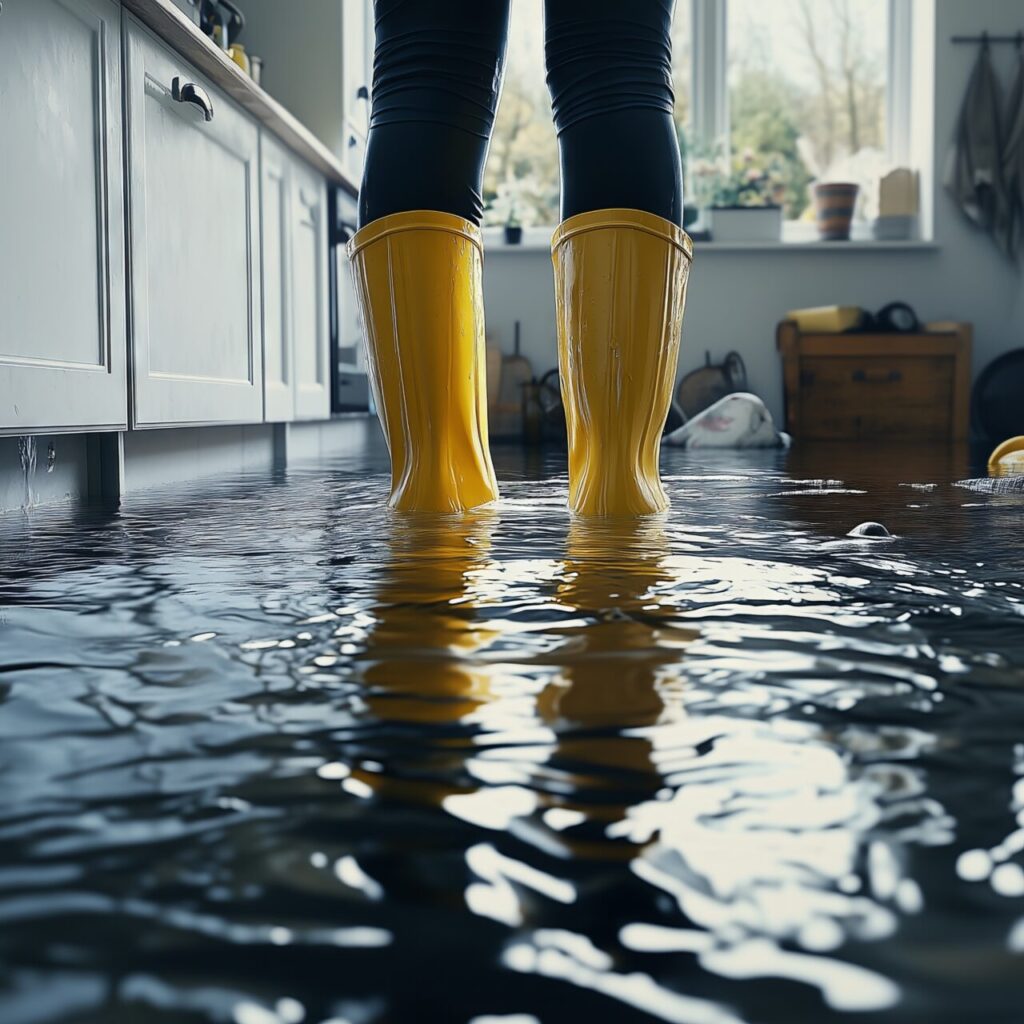
When dealing with flood damage, you need to follow a systematic approach to restore your property effectively. First, evaluating the damage and implementing safety precautions is essential. Next, you’ll want to employ water extraction methods that suit the severity of the situation. After that, drying and dehumidification techniques will help prevent further issues. Cleaning and sanitizing affected areas is critical for health reasons. Finally, consider preventative measures to safeguard against future incidents. Let’s explore these techniques in detail.
Key Takeaways
- Conduct a thorough damage assessment to identify the source and extent of water damage before initiating restoration.
- Utilize effective water extraction methods like pumps and vacuums to remove standing water promptly.
- Set up dehumidifiers and fans to enhance airflow and expedite the drying process.
- Clean and sanitize affected areas using appropriate mold removal products and disinfectants.
- Implement preventative measures, such as flood barriers and proper drainage systems, to mitigate future flooding risks.
Assessing the Damage and Safety Precautions
When you encounter water damage, it’s essential to assess the situation thoroughly before taking any further steps. Start with a damage evaluation, identifying the source of the water and the extent of the affected areas. Check for structural damage, mold growth, and compromised electrical systems. Document everything with photos and notes, as this will aid in any insurance claims.
Next, prioritize safety protocols. Confirm the area is safe by turning off electricity and wearing protective gear like gloves and masks. If the water is contaminated, avoid direct contact and ventilate the space. Be aware of potential hazards, such as slippery surfaces or sharp objects.
Establish a plan of action based on your assessment, focusing on the immediate risks before progressing to restoration efforts.
Water Extraction Methods
After evaluating the damage and guaranteeing safety, the next step involves effective water extraction methods to remove standing water and moisture from the affected areas.
You’ll want to utilize pump systems for considerable water removal, especially in flooded basements or large spaces. These systems can efficiently handle large volumes of water, greatly speeding up the restoration process.
For smaller areas or residual moisture, vacuum extraction is your go-to method. Using specialized water extraction vacuums, you can efficiently suck up remaining water from carpets, floors, and furniture.
Both techniques are vital in preventing mold growth and further structural damage.
Drying and Dehumidification Techniques
Effective drying and dehumidification techniques are crucial for restoring areas affected by water damage. By utilizing proper methods, you can greatly improve air circulation and achieve effective moisture control. Start by setting up dehumidifiers and fans strategically throughout the affected area. This will enhance airflow and help expedite the drying process.
Here’s a quick overview of techniques to take into account:
| Technique | Purpose | Tools Needed |
|---|---|---|
| Air Movement | Increase evaporation | Fans |
| Dehumidification | Reduce humidity levels | Dehumidifiers |
| Temperature Control | Speed up drying | Heaters |
Implementing these techniques will not only aid in drying but also prevent mold growth. Stay vigilant to guarantee that moisture levels remain low, fostering a healthier environment for you and your community.
Cleaning and Sanitizing Affected Areas
Once drying and dehumidification are complete, the focus shifts to cleaning and sanitizing the affected areas. This step is essential for preventing mold growth and guaranteeing a safe environment.
Here’s how to effectively clean and sanitize your space:
- Assess the Damage: Inspect all surfaces for signs of contamination, including potential mold growth.
- Mold Removal: Use appropriate mold removal products, making sure you follow safety guidelines. Wear protective gear to avoid exposure.
- Surface Disinfection: Apply a suitable disinfectant to all affected surfaces. Pay special attention to high-touch areas like doorknobs and countertops.
- Final Inspection: Once everything is cleaned, conduct a thorough inspection to confirm no residue or mold remains.
Preventative Measures for Future Flooding
To minimize the risk of future flooding, it’s crucial to implement a series of proactive measures that safeguard your property. Start by installing flood barriers around vulnerable areas, such as doors and windows, to prevent water entry during heavy rains. These barriers act as a first line of defense, effectively redirecting water away from your home.
Next, focus on optimizing your drainage systems. Verify your gutters and downspouts are clear and functioning properly, directing water at least six feet away from your foundation. Consider adding French drains or channel drains in areas prone to pooling water.
Regularly inspect and maintain these systems to identify potential blockages or damages.
It’s also wise to landscape your property with graded slopes that encourage water runoff away from your home. By taking these steps, you’ll greatly reduce your risk of future flooding and enhance your property’s resilience against severe weather.
Frequently Asked Questions
How Long Does the Water Damage Restoration Process Typically Take?
The restoration timeline for water damage varies, but you can expect the drying process to take anywhere from a few days to several weeks, depending on the extent of damage and environmental conditions.
Can I Handle Water Damage Restoration Myself?
You can tackle DIY restoration, but make sure you take safety precautions seriously. Assess the damage, use protective gear, and follow a methodical approach to minimize risks. Remember, sometimes professional help is the best option for extensive damage.
What Insurance Coverage Is Needed for Flood Damage?
When disaster strikes, you need to know your options. Flood insurance is essential. Explore coverage options like structure and contents protection. Ascertain you’re prepared, so you can recover swiftly when the unexpected happens.
Are There Specific Materials That Should Be Replaced After Flooding?
After flooding, you should prioritize replacing flood-affected materials like drywall, insulation, and flooring. These items can harbor mold and contaminants, compromising safety. Assess each material’s condition methodically to guarantee effective restoration and a healthy environment.
How Can I Identify Hidden Water Damage in My Home?
To identify hidden water damage, use moisture detection tools to check for hidden leaks in walls and floors. Look for discoloration, peeling paint, or a musty smell, as these often indicate underlying moisture issues needing attention.
Conclusion
In the aftermath of a flood, taking decisive action can transform a chaotic scene into a manageable recovery. Picture the water receding, revealing drenched carpets and damp walls; you’re ready to tackle the damage head-on. By evaluating the situation, extracting water, drying thoroughly, and sanitizing every surface, you not only restore your space but also safeguard against mold’s unwelcome return. Implementing preventative measures guarantees your home stands resilient against future deluges, ready to weather any storm.