
Table of Contents
When water damage occurs, mold can quickly become a serious issue if you don’t act fast. You need to assess the damage thoroughly first, identifying all affected areas. Proper ventilation is key to reducing humidity, which is vital for mold prevention. Choosing the right cleaning solutions is necessary for effective remediation. But that’s just the beginning there are important steps you must follow to guarantee your home stays mold-free.
Key Takeaways
- Conduct a thorough assessment of damage and look for mold signs, documenting findings for effective cleanup prioritization.
- Ensure proper ventilation by opening windows, using fans, and employing dehumidifiers to lower humidity levels.
- Use appropriate cleaning solutions specifically designed for mold remediation, following instructions and wearing protective gear.
- Remove affected materials like drywall and carpets carefully, sealing them in plastic bags for safe disposal to prevent spore spread.
- Monitor your home regularly for future mold growth, keeping humidity below 50% and ensuring proper ventilation in moisture-prone areas.
Assess the Extent of the Damage
Before you start the cleanup process, it’s essential to assess the extent of the damage to accurately determine the necessary steps for mold remediation.
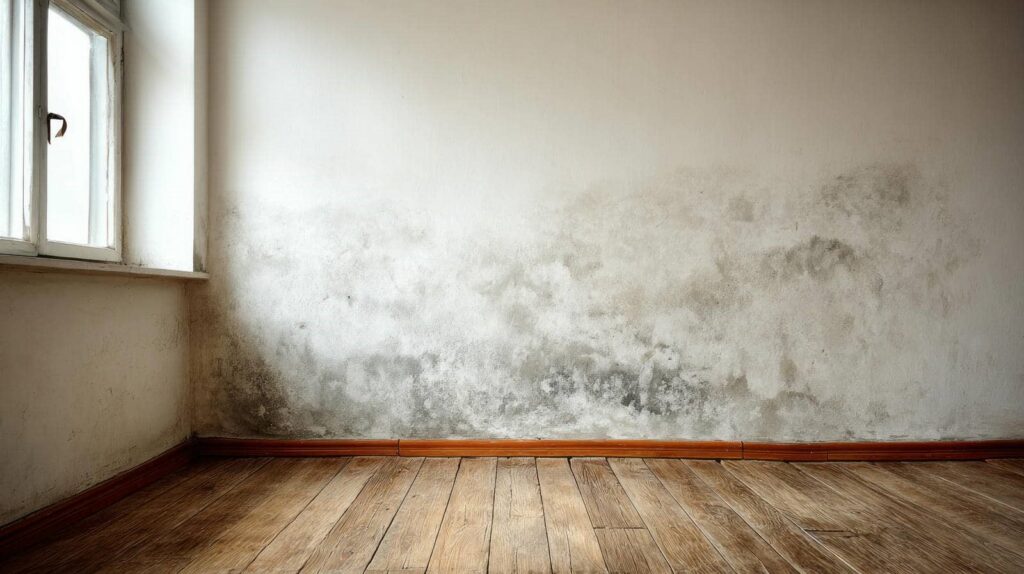
Begin with a thorough damage evaluation by inspecting affected areas, including walls, ceilings, and hidden spaces behind furniture. Look for signs of mold growth, such as discoloration or musty odors, which are vital for mold identification.
Pay attention to moisture levels; using a hygrometer can help you gauge humidity, as prolonged dampness encourages mold proliferation.
Documenting your findings will aid in prioritizing your cleanup efforts. Focus on areas with significant water exposure first, as they’re more susceptible to mold development.
If you encounter extensive mold growth, consider consulting professionals who specialize in mold remediation.
Ensure Proper Ventilation
After evaluating the extent of the damage, it’s essential to guarantee proper ventilation throughout the affected areas to help control moisture levels.
Without adequate air circulation, trapped moisture creates a perfect breeding ground for mold.
Here are some steps you can take to enhance ventilation:
- Open windows and doors to allow fresh air in.
- Use fans to promote air movement, especially in confined spaces.
- Consider dehumidifiers to effectively reduce humidity levels.
Use Appropriate Cleaning Solutions
Using appropriate cleaning solutions is vital for effectively eliminating mold after water damage. Start by selecting cleaning agents specifically designed for mold remediation, such as hydrogen peroxide, vinegar, or commercial mold removers. These solutions boast high solution effectiveness against mold spores and their growth.
When applying your chosen cleaning agent, make sure you follow the manufacturer’s instructions for ideal results. Pre-test the solution on a small, inconspicuous area to confirm it won’t damage your surfaces.
It’s important to wear protective gear, like gloves and masks, while handling these agents, as they can be harsh.
Don’t forget to scrub affected areas thoroughly, allowing the cleaning solution to sit for the recommended time to enhance its potency against mold.
Incorporating these cleaning solutions into your remediation process not only helps eliminate mold but fosters a safer, healthier environment for you and your loved ones.
Remove Affected Materials
To effectively tackle mold growth, you must remove any affected materials promptly. Delaying this step can exacerbate the problem and lead to further contamination.
Begin by identifying materials that are compromised, such as:
- Drywall: If it’s soaked and shows signs of mold.
- Carpets: Especially if they can’t be cleaned or dried thoroughly.
- Insulation: Once it gets wet, it’s usually best to discard it.
For proper mold removal, make sure you follow safe practices during material disposal. Seal contaminated items in plastic bags before discarding them to prevent spores from spreading.
It’s also essential to wear protective gear, including gloves, masks, and goggles, while handling these materials.
Monitor for Future Growth
While you’ve taken important steps to remove affected materials, it’s vital to monitor for future mold growth in the aftermath of water damage. Regularly inspect your home for growth indicators such as dark spots, musty odors, or increased humidity levels. These signs can signal potential mold development, even after cleanup efforts.
Implementing effective mold prevention strategies is imperative. Keep your indoor humidity below 50% by using dehumidifiers and ensuring proper ventilation in areas like bathrooms and kitchens. Check for leaks in plumbing and roofs, as these can create conditions ripe for mold.
Don’t overlook the significance of routine inspections in hidden areas like behind walls or under carpets. By staying vigilant, you not only protect your home but also foster a healthy environment for you and your loved ones.
Frequently Asked Questions
How Long Does It Take for Mold to Grow After Water Damage?
Mold can start growing within 24 to 48 hours after water damage, depending on factors like humidity, temperature, and material type. Understanding this mold growth timeline helps you take timely action to prevent further issues.
Can I Prevent Mold Growth Without Professional Help?
Yes, you can prevent mold growth without professional help. Implement preventive measures like controlling humidity, using DIY solutions such as vinegar or baking soda, and ensuring proper ventilation to keep your space mold-free and welcoming.
What Health Risks Are Associated With Mold Exposure?
Mold exposure can lead to significant health risks, including mold allergies and respiratory issues. You might experience symptoms like sneezing, coughing, and difficulty breathing, especially if you have pre-existing conditions or weakened immune systems.
How Can I Identify Hidden Mold in My Home?
Like Sherlock Holmes, you’ll need keen observation. Utilize mold detection methods such as moisture meters and home inspection techniques, checking dark corners, basements, and behind walls, ensuring you uncover hidden mold before it becomes a problem.
Is It Safe to Stay in My Home During Mold Cleanup?
It’s generally not safe to stay in your home during mold cleanup. You should follow mold safety guidelines and take cleanup precautions, as exposure can lead to health issues. Prioritize your well-being during this process.
To Sum Up
Tackling mold cleanup after water damage is essential for your home’s safety. Did you know that 30% of all buildings in the U.S. have mold problems? By evaluating damage quickly, ensuring ventilation, using the right cleaners, and removing affected materials, you can greatly reduce your risk. Don’t forget to monitor your space regularly; maintaining humidity below 50% is key to preventing future mold growth. Your proactive efforts can protect both your health and your property.