
Table of Contents
In flood recovery efforts, utilizing effective water extraction and drying methods is essential. Vacuum extraction techniques can rapidly remove moisture, while dehumidification methods help control humidity levels in enclosed spaces. Air movement systems enhance airflow, preventing stagnation. Thermal drying approaches and chemical absorption solutions offer additional options. Each method has distinct advantages that can greatly impact efficiency and effectiveness. Understanding these approaches can help you make informed decisions for ideal moisture management.
Key Takeaways
- Utilize vacuum extraction techniques for rapid moisture removal and minimize damage in flooded or humid environments.
- Implement dehumidification methods with desiccant materials to control moisture in closed spaces effectively.
- Enhance air movement systems to ensure consistent airflow, accelerating evaporation and reducing mold growth risks.
- Consider thermal drying approaches like solar and microwave drying for efficient moisture removal, especially in high-value materials.
- Explore chemical water absorption solutions that interact with water for effective capture, enhanced by moisture barriers to prevent re-entry.
Vacuum Extraction Techniques
When you’re looking to remove water efficiently, vacuum extraction techniques stand out as a reliable option. These methods employ vacuum pumps to create a negative pressure environment, facilitating rapid moisture removal from various surfaces.
By effectively drawing out water, vacuum extraction minimizes potential damage and promotes faster drying times. The process is particularly advantageous in environments prone to flooding or excessive humidity, where traditional methods may fall short.
As you utilize vacuum pumps, verify they’re appropriately sized for your specific application to maximize effectiveness. This technique enhances water extraction and helps maintain structural integrity and reduce mold growth.
Dehumidification Methods
Although vacuum extraction is effective, dehumidification methods play an important role in maintaining ideal humidity levels in environments where moisture persists.
You’ll find that desiccant materials, such as silica gel or activated alumina, excel at moisture control by absorbing excess humidity from the air. These materials are particularly beneficial in closed spaces where airflow is limited.
Desiccant materials like silica gel effectively absorb excess humidity, making them ideal for closed spaces with limited airflow.
When choosing a dehumidification method, consider the specific moisture levels and the area size. It’s vital to monitor humidity levels regularly to ensure peak performance.
Additionally, combining dehumidification with effective sealing techniques can enhance overall moisture control.
Air Movement Systems
Air movement systems are vital for maximizing moisture control, as they facilitate the circulation of air, preventing stagnant conditions that can lead to increased humidity.
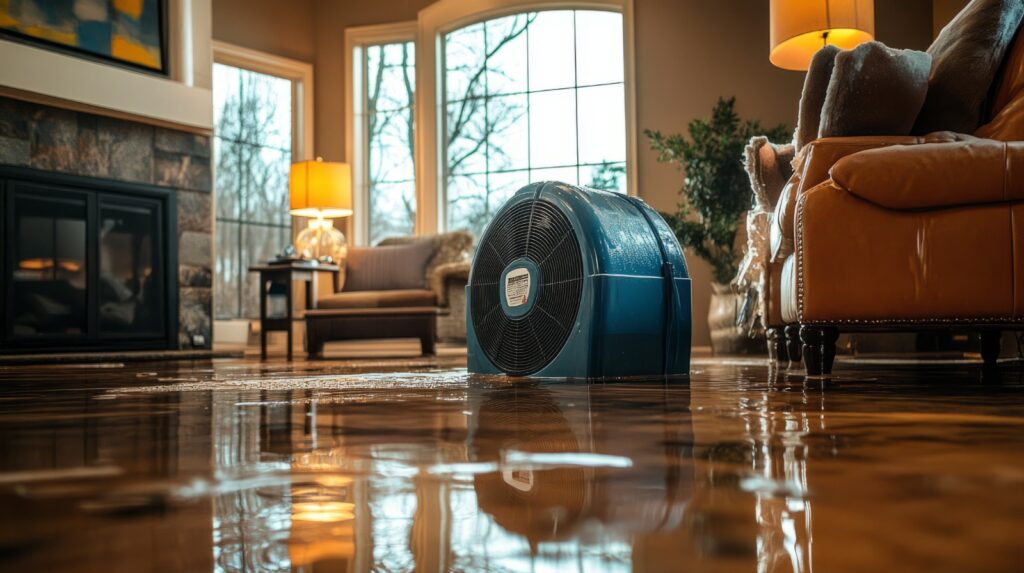
Effective airflow management requires strategic fan placement to ensure even air distribution. By positioning fans at key locations, you can enhance the drying process considerably. Aim to create a consistent airflow pattern that directs moisture-laden air away from the surfaces being dried while replacing it with drier air.
This accelerates evaporation and reduces the risk of mold growth. Remember, the right balance of air movement is essential; too much can disrupt the drying process, while too little may leave areas damp.
Prioritize thoughtful airflow management for ideal results.
Thermal Drying Approaches
While various methods exist, thermal drying approaches stand out for their efficiency in removing moisture from materials.
You’ll find that solar drying leverages natural sunlight, making it an energy-efficient option for those looking to minimize costs. This method harnesses the sun’s heat, allowing you to dry products uniformly, although it may be slower in overcast conditions.
On the other hand, microwave drying offers rapid moisture removal through dielectric heating, which targets water molecules directly. This process considerably reduces drying time and energy consumption, making it ideal for high-value materials.
Chemical Water Absorption Solutions
Chemical water absorption solutions offer a diverse range of methods for efficient moisture removal, particularly in environments where traditional drying techniques may fall short. By utilizing specific absorbent materials, you can enhance moisture control considerably.
These materials, often designed to interact chemically with water, can capture and retain moisture effectively.
Additionally, implementing moisture barriers in conjunction with these solutions can further optimize results. These barriers prevent external moisture from re-entering treated areas, maintaining a drier environment.
When selecting your chemical absorption method, consider factors like the type of absorbent material and the specific conditions of your environment. This approach ensures a comprehensive strategy for moisture management, fostering a sense of community among those seeking effective water extraction solutions.
Frequently Asked Questions
How Can I Prevent Mold Growth During Water Extraction?
To prevent mold growth during water extraction, you must prioritize humidity control. Maintain low humidity levels, use dehumidifiers, and ensure proper ventilation. Regular monitoring will aid in effective mold prevention and protect your environment.
What Safety Precautions Should I Take During Drying Processes?
During drying processes, you should always wear personal protective equipment. Ensure that good ventilation systems are in place to reduce humidity and promote air circulation, thereby minimizing risks such as mold and ensuring a safer environment for everyone involved.
How Long Does It Typically Take to Dry Wet Materials?
When you’re drying wet materials, drying times can vary considerably. It depends on moisture levels and environmental conditions. Typically, expect anywhere from hours to days. You’ll need to monitor closely for best results.
Are There Any Eco-Friendly Water Extraction Methods Available?
Yes, you can explore eco-friendly water extraction methods using biodegradable solvents and sustainable practices. These approaches minimize environmental impact while effectively removing moisture, aligning with modern standards of responsibility and innovation in material processing.
What Equipment Is Essential for Effective Water Extraction?
For effective water extraction, you’ll need reliable equipment. Curiously, industrial vacuums can remove water. Complement them with high-capacity water pumps to ensure efficient and thorough extraction in any environment.
Recap
While traditional drying methods may rely on time and patience, modern techniques offer rapid, efficient solutions to moisture challenges. By embracing vacuum extraction and thermal drying, you can achieve results faster than with passive air movement systems. Conversely, dehumidification and chemical absorption provide targeted strategies for stubborn dampness. Ultimately, choosing the right method for your specific situation can mean the difference between prolonged damage and swift restoration, ensuring your environment remains dry and healthy.