
Table of Contents
When it comes to biohazard waste removal, following strict safety protocols is vital to protect yourself and others. You’ll need to categorize waste accurately, utilize proper personal protective equipment, and ensure clear labeling of containers. Every step counts, from maintaining a clean work area to establishing a robust emergency response plan. Understanding these protocols can greatly reduce risks and ensure compliance. The details on safe handling techniques and staff training will be essential for you to grasp next.
Key Takeaways
- Properly classify and label biohazard waste to prevent cross-contamination and ensure compliance with local regulations.
- Wear appropriate personal protective equipment (PPE) like gloves and masks to minimize exposure risks during waste handling.
- Implement safe handling and transport techniques, using durable containers and designated routes to avoid accidents.
- Conduct regular staff training and refreshers on waste removal protocols to ensure team readiness and compliance.
- Maintain thorough documentation of waste disposal procedures, including quantities and methods, to meet regulatory standards.
Understand the Types of Biohazard Waste
When handling biohazard waste, it’s essential to recognize the different types to ensure proper disposal and safety.
Medical waste typically includes items like contaminated sharps, used surgical instruments, and any materials that have come into contact with bodily fluids. Understanding this classification helps you prevent cross-contamination and adhere to regulations.
You’ll also encounter hazardous materials, which can include chemicals, pharmaceuticals, and other substances that pose a risk to human health or the environment.
Each type requires specific handling and disposal protocols to mitigate risks.
Use Personal Protective Equipment (PPE)
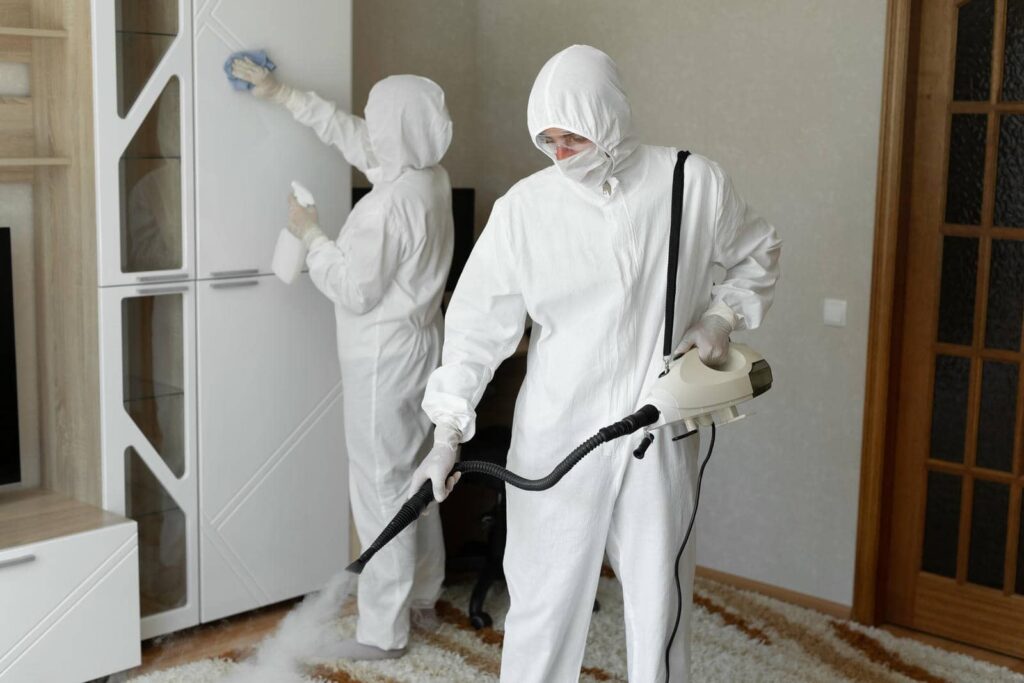
Proper handling of biohazard waste requires the use of Personal Protective Equipment (PPE) to safeguard yourself from potential exposure to harmful pathogens and hazardous materials.
When selecting PPE, consider the PPE selection criteria, which include the type of waste you’ll be handling, the level of exposure risk, and the specific tasks involved. For instance, gloves, masks, goggles, and gowns may be necessary depending on the situation.
Once you’ve chosen the appropriate PPE, adhere to PPE maintenance guidelines. This involves regular inspection for wear and tear, proper cleaning, and timely replacement of damaged items.
Always verify your PPE fits correctly to maximize protection. Remember that proper usage and maintenance of PPE protect you and foster a culture of safety within your team.
Properly Label Biohazard Waste Containers
Clear labeling of biohazard waste containers is vital for ensuring safety and compliance in waste management. You must use effective labeling techniques to convey the type of waste and its associated risks clearly.
Start by choosing the appropriate container colors: red is commonly used for infectious waste, while yellow indicates general biohazard materials. Ascertain that labels are visible and legible, using bold text and standardized symbols, like the biohazard symbol, to enhance recognition.
It’s essential to include specific details such as the contents, date of disposal, and any handling instructions. Remember, accurate labeling minimizes the risk of accidents and keeps everyone informed about potential hazards.
Follow Local Regulations and Guidelines
You must research local legislation regarding biohazard waste management to ensure compliance.
Familiarizing yourself with industry standards is equally critical, as they often dictate best practices for handling and disposing of hazardous materials.
Adhering to these regulations protects public health and minimizes legal liability.
Research Local Legislation
While maneuvering through the complexities of biohazard waste removal, understanding local legislation is essential for compliance and safety.
Familiarizing yourself with local waste regulations ensures you’re aligned with compliance requirements and avoids potential legal pitfalls.
Here are four key steps to help you navigate this process:
Identify local agencies responsible for waste management and environmental protection.
Review state and municipal regulations that pertain specifically to biohazard waste.
Attend workshops or seminars offered by local authorities on waste disposal practices.
Consult with industry professionals to gain insights into compliance best practices.
Comply With Industry Standards
Complying with industry standards for biohazard waste removal ensures legal compliance and the safety of personnel and the environment.
To confirm industry compliance, familiarize yourself with local regulations and guidelines that govern biohazard disposal. It’s essential to obtain the necessary safety certifications that validate your processes and equipment.
Regular training sessions for staff can reinforce these standards, fostering a culture of safety and accountability. Additionally, maintain thorough documentation of all waste disposal activities to prove compliance during inspections.
By adhering to these protocols, you protect your team and contribute to the greater good of the community, creating an environment where everyone feels secure and valued.
Embrace these practices to elevate your organization’s reputation in the industry.
Implement Safe Handling Techniques
To ensure safety during biohazard waste removal, it’s crucial to implement specific handling techniques to minimize risk.
By following these guidelines, you’ll ensure safe transport and effective waste segregation:
Wear Appropriate Personal Protective Equipment (PPE): Always don gloves, masks, and gowns to shield yourself from exposure.
Label Waste Containers Clearly: Use color-coded and labeled containers for different types of biohazard waste to prevent cross-contamination.
Use Proper Lifting Techniques: Bend your knees and keep your back straight when lifting containers to avoid injury.
Handle Waste with Care: Avoid overfilling containers and never compact waste manually, as this can lead to spills or leaks.
Incorporating these practices fosters a culture of safety and responsibility among team members, promoting a sense of belonging in your workplace.
Ensure Secure Transport of Biohazard Waste
When transporting biohazard waste, you must use proper packaging techniques to prevent leaks and contamination.
Designated transport routes should be established to minimize public exposure and ensure efficiency.
Additionally, make certain all personnel wear appropriate safety equipment to protect against potential hazards during transport.
Proper Packaging Techniques
Proper packaging techniques are essential for ensuring the secure transport of biohazard waste, as improper handling can lead to serious health risks.
To effectively package biohazard waste, follow these guidelines:
Use appropriate packaging materials: Select containers made of durable, puncture-resistant materials that can contain leaks.
Ensure proper waste segregation: Sort waste according to its type to prevent contamination and facilitate recycling where applicable.
Label containers clearly: Mark packages with biohazard symbols and relevant information to alert handlers of the contents.
Seal packages securely: Use strong tape or locks to keep containers closed during transport, minimizing the risk of accidental exposure.
Designated Transport Routes
How do you ensure the secure transport of biohazard waste? First, you must identify and utilize designated pathways within your facility. These routes are specifically marked to minimize exposure and ensure safety.
Make sure to regularly review and update these safe routes, aligning with any changes in facility layout or regulations.
Next, communicate the importance of these pathways to your team, reinforcing their role in protecting everyone involved. During transport, maintain a steady pace, avoiding sudden movements that could compromise the waste containment.
Finally, conduct routine checks on the designated routes for any hazards, ensuring they remain clear and accessible.
Personnel Safety Equipment
Ensuring the secure transport of biohazard waste demands the use of appropriate personnel safety equipment.
To protect yourself and others, you should always wear the correct personal protective gear. Here are essential safety equipment types to take into account:
Gloves: Use nitrile or latex gloves to prevent skin contact with hazardous materials.
Gowns: Wear disposable gowns to shield your clothing and skin from contamination.
Face Shields: Equip face shields or goggles to protect your eyes and face from splashes.
Respirators: Use N95 respirators or higher-rated masks to filter out airborne pathogens.
Maintain Cleanliness in the Work Area
Maintaining cleanliness in the work area is essential for minimizing contamination risks and ensuring a safe environment. To achieve this, follow established cleaning protocols diligently.
Start each day by reviewing your workspace organization; confirm all tools and materials are stored in designated areas to prevent clutter. A tidy workspace not only enhances safety but also boosts team morale, fostering a sense of belonging.
Regularly clean surfaces with approved disinfectants, paying extra attention to high-touch areas. Dispose of biohazard waste in clearly labeled containers and make sure these are emptied regularly.
Implement a routine inspection to identify any potential hazards or areas requiring additional cleaning. Encourage your colleagues to adhere to these standards, promoting a culture of safety and responsibility.
Provide Staff Training and Education
Training your staff on biohazard waste removal is essential for safety and compliance.
Regular refresher courses and hands-on practice sessions ensure everyone stays up to date on protocols and procedures.
Importance of Training
While you may think that handling biohazard waste is straightforward, proper training is essential to ensure safety and compliance.
Understanding the importance of training ensures that you’re prepared for any situation that might arise. Implementing effective training methods can greatly enhance your ability to manage biohazard materials responsibly.
Here are four key benefits of proper training:
Increased Safety: Reduces the risk of exposure to hazardous materials.
Regulatory Compliance: Ensures adherence to local and federal regulations.
Enhanced Team Confidence: Empowers staff to handle situations with assurance.
Improved Incident Response: Prepares you to react appropriately in emergencies.
Regular Refresher Courses
To ensure your team remains well-prepared to handle biohazard waste, regular refresher courses are essential. These courses make sure that staff stay updated on the latest safety protocols, regulations, and best practices.
It’s important to schedule training updates at least annually or whenever there’s a significant change in procedures. This reinforces knowledge and fosters a culture of safety within your organization.
Encourage team members to engage actively; discussions and questions enhance understanding and retention. By participating in refresher courses, your staff will feel more confident in their abilities, leading to safer and more efficient waste management.
Hands-On Practice Sessions
Hands-on practice sessions complement the theoretical knowledge gained in refresher courses, providing staff with the opportunity to apply safety protocols in real-world scenarios. Engaging in these sessions fosters confidence and ensures everyone is well-prepared.
Here’s what you can expect:
- Hands-on demonstrations of biohazard waste handling techniques.
- Practical exercises simulating various waste disposal situations.
- Team collaborations to enhance communication and teamwork skills.
- Feedback sessions for continuous improvement and reinforcement of best practices.
Participating in these sessions solidifies your understanding and strengthens your connection with colleagues, creating a safer, more cohesive work environment.
Embrace these opportunities to enhance your skills and contribute to a culture of safety.
Establish an Emergency Response Plan
Establishing an emergency response plan is essential for effectively managing biohazard incidents, ensuring you’re prepared to act swiftly and safely.
Start by forming a dedicated response team, ensuring every member understands their role during a crisis. Develop clear protocols for identifying, containing, and reporting biohazardous materials, which will streamline your response efforts.
Regularly conduct emergency drills to reinforce these procedures, allowing your team to practice and refine their skills. These drills enhance preparedness and foster teamwork and communication among staff, creating a supportive environment where everyone feels confident in their abilities.
In addition, establish protocols for notifying appropriate authorities and securing the area to prevent further contamination.
Document Waste Removal Procedures
When documenting waste removal procedures, it’s crucial to outline each step clearly to ensure compliance and safety.
Accurate waste documentation protects your team and ensures regulatory compliance.
Follow this procedure checklist to streamline your documentation process:
Identify Waste Types: Specify the categories of biohazard waste being disposed of, such as sharps, infectious materials, or chemical waste.
Detail Collection Procedures: Describe how and when waste is collected, including the use of appropriate containers and personal protective equipment (PPE).
Record Disposal Methods: Document the approved methods for waste disposal, whether through incineration, autoclaving, or another method.
Maintain Logs: Keep thorough logs of waste quantities and disposal dates to facilitate audits and ensure traceability.
Frequently Asked Questions
What Types of Facilities Generate Biohazard Waste?
You’ll find biohazard waste generated in hospital settings, such as during surgeries or treatments, and in laboratory environments, where research and testing occur. Both facilities require strict adherence to safety protocols for waste management.
How Often Should Biohazard Waste Be Removed?
You should schedule biohazard waste removal at least weekly, depending on your facility’s waste management needs. Regular removal frequency helps maintain safety and compliance, ensuring a clean environment for everyone involved in your operations.
Can Biohazard Waste Be Recycled?
No, biohazard waste can’t be recycled. It requires specialized waste management due to contamination risks. Always follow proper disposal methods to ensure safety and compliance, protecting both yourself and the environment from potential hazards.
What Should I Do if I Accidentally Touch Biohazard Waste?
If you accidentally touch biohazard waste, don’t panic! Immediately wash the area with soap and water, then follow your facility’s contamination protocols and seek first aid to ensure your safety and well-being.
Are There Specific Disposal Methods for Different Biohazard Waste Types?
Different biohazard waste types require specific disposal methods based on waste classification. You should categorize items as sharps, infectious, or chemical waste, ensuring you follow guidelines for each type to maintain safety and compliance.
Summary
Adhering to these ten biohazard waste removal protocols is vital for safeguarding health and ensuring compliance. By categorizing waste, employing proper PPE, and maintaining cleanliness, you create a safer environment akin to a well-oiled machine. Regular training and documentation bolster your team’s preparedness and fortify your operations against potential hazards. Remember, in the sphere of biohazard management, diligence today prevents calamities tomorrow. So, stay vigilant and committed to these essential practices.