
Table of Contents
Did you know that nearly 14,000 people experience a water damage emergency every day in the U.S.? For homeowners facing such challenges, having the right water restoration equipment is essential to effectively restore their properties. From portable water extractors to advanced moisture meters, each tool plays an important role in the recovery process. Understanding their functions can greatly impact your restoration efforts. Let’s explore the essential equipment that can make a difference in your situation.
Key Takeaways
- Portable water extractors quickly remove standing water, minimizing damage and preventing mold growth in homes.
- Wet/dry vacuums are versatile tools essential for effective cleanup during extensive flooding situations.
- Air movers accelerate the drying process by enhancing evaporation rates on carpets and walls after water damage.
- Dehumidifiers help maintain optimal humidity levels, preventing mold growth and preserving air quality in affected areas.
- Moisture meters provide accurate readings of moisture content, essential for effective assessment and restoration in various materials.
Portable Water Extractors
When faced with water damage, having the right tools can make a significant difference, and portable water extractors are vital for effective restoration.
These extractors offer numerous benefits, such as rapid extraction of standing water, which minimizes damage to flooring and walls. When choosing portable extractors, consider factors like suction power, tank capacity, and ease of transport. A high-suction model can reduce extraction time, allowing you to address water issues swiftly and efficiently.
Moreover, lightweight designs ensure you can maneuver them easily in tight spaces, enhancing your restoration efforts. Look for features like adjustable wands and powerful motors to maximize efficiency.
Investing in a quality portable extractor accelerates recovery and helps prevent mold growth and structural damage, fostering a healthier environment for you and your family.
Dehumidifiers
After extracting standing water with portable water extractors, the next step in restoring your home involves controlling humidity levels.
Dehumidifiers are vital for this process, as they remove excess moisture from the air, preventing mold growth and structural damage. When selecting a dehumidifier, consider its energy efficiency to keep electricity costs manageable while effectively reducing humidity.
Regular dehumidifier maintenance is important for peak performance. Clean the filters and empty the water reservoir frequently to ensure it operates smoothly.
You might also want to check the coils for frost buildup, as this can hinder efficiency. For larger spaces, opt for a commercial-grade model that can handle higher volumes of moisture.
Air Movers
Air movers play an essential role in the water restoration process, providing powerful airflow to accelerate drying after water damage.
These devices come in various air mover types, including axial, centrifugal, and low-profile models. Each type serves a unique purpose, allowing you to choose the best fit for your specific situation.
The benefits of air movers are significant; they enhance evaporation rates, dry out carpets and walls faster, and help prevent mold growth.
By positioning several air movers strategically in affected areas, you’ll create cross-ventilation, optimizing airflow and ensuring thorough drying.
Additionally, air movers are energy-efficient, often consuming less power than traditional fans while delivering superior performance.
When tackling water damage, investing in quality air movers can make a substantial difference, in restoration speed and in maintaining a healthy environment in your home.
Moisture Meters
Moisture meters are vital tools in water restoration, as they provide accurate readings of moisture content in various materials, helping you assess the extent of water damage.
You’ll find two main moisture measurement techniques: pin and pinless. Pin meters use electrodes to penetrate materials, giving precise readings, while pinless meters scan the surface, ideal for quick assessments.
To ensure reliability, moisture meter calibration is essential. Regularly calibrating your device ensures accurate results, allowing you to make informed decisions on restoration efforts.
It’s important to familiarize yourself with your meter’s specifications and follow the manufacturer’s calibration guidelines.
Investing in a quality moisture meter enhances your restoration skills and fosters a sense of belonging within the water restoration community.
Infrared Cameras
Understanding the moisture levels in materials is just the beginning of effective water restoration; infrared cameras take your assessment capabilities to the next level.
These devices utilize infrared technology and thermal imaging to visualize temperature variations in surfaces, enabling you to identify hidden moisture issues that traditional tools might miss.
When you scan walls, ceilings, or floors, the infrared camera detects cooler areas where moisture may be trapped, helping you pinpoint leaks or water damage.
This non-invasive approach saves time and reduces the risk of further damage during the restoration process.
Wet/Dry Vacuums
When choosing a wet/dry vacuum for water restoration, it’s crucial to understand the different types available and their specific applications.
Consider key features like suction power, tank capacity, and filter efficiency to ensure effective water removal.
Types of Vacuums
Water damage can wreak havoc on your home, making wet/dry vacuums an essential tool for effective restoration.
Understanding different vacuum types helps you choose the best fit for your needs. You’ll find portable models, designed for quick cleanups, and larger, more powerful units that tackle extensive flooding.
Some vacuums feature dual filtration systems, enhancing debris collection while protecting your home’s air quality. Additionally, consider models with multiple attachments, which allow for versatile cleaning on various surfaces.
Whether you’re dealing with carpets, hard floors, or tight corners, the right vacuum features can make all the difference. By selecting the appropriate vacuum type, you’ll be better equipped to manage water damage efficiently and restore your home to its former state.
Key Features to Consider
Choosing the right wet/dry vacuum involves considering several key features that directly impact its efficiency and effectiveness in water restoration.
First, pay attention to the vacuum’s horsepower; higher power means quicker suction, vital for tackling significant water damage.
Next, check the tank capacity; a larger tank minimizes emptying during restoration tasks.
Look for a vacuum with multiple attachments, as these enhance versatility for various surfaces and tight spaces.
Filtration systems are important, too—HEPA filters can trap fine particles, improving air quality during restoration techniques.
Finally, consider mobility features like wheels and weight, ensuring you can maneuver easily throughout your home.
Prioritizing these aspects will help you select the ideal vacuum for successful water damage recovery.
Water Damage Restoration Software
Although many restoration professionals rely on physical equipment to tackle water damage, utilizing specialized software is equally essential for efficient project management. This type of software streamlines the workflow and enhances communication among team members.
With effective water damage restoration software, you can expect benefits such as:
Centralized documentation: Keep all project details in one accessible location.
Scheduling tools: Manage timelines and appointments effectively to optimize resource use.
Inventory management: Track equipment and supplies to avoid shortages or overstocking.
Software integration tools: Seamlessly connect with other platforms for a holistic approach to restoration project management.
Disinfection Equipment
Effective project management software can help streamline the restoration process, but to ensure a safe environment post-water damage, investing in the right disinfection equipment is vital.
You’ll want to take into account several disinfection methods, such as UV light systems, foggers, and chemical sprayers, each offering unique advantages in eliminating pathogens and securing thorough sanitation.
Selecting high-quality disinfection equipment is just the beginning; proper equipment maintenance is essential to maximize its effectiveness.
Regularly inspect and clean your tools to maintain peak performance and longevity. Confirm you’re familiar with the manufacturer’s guidelines for usage and upkeep, as this will enhance the reliability of your disinfection efforts.
Sump Pumps
Sump pumps are indispensable tools for managing water accumulation in homes, especially in areas prone to flooding or excessive moisture.
These devices work by removing water that collects in a sump basin, preventing damage to your property. Understanding the different sump pump types is essential for effective water management.
Consider these key factors for choosing and maintaining your sump pump:
- Submersible vs. Pedestal: Know which type suits your space.
- Capacity: Select a pump that fits your expected water volume.
- Power Source: Evaluate whether you prefer electric or battery-operated options.
- Maintenance Schedule: Regular check-ups ensure longevity and reliability.
Proper sump pump maintenance is critical. Regularly inspect the pump for clogs, test it periodically, and clean the inlet screen to prevent malfunction.
Safety Gear
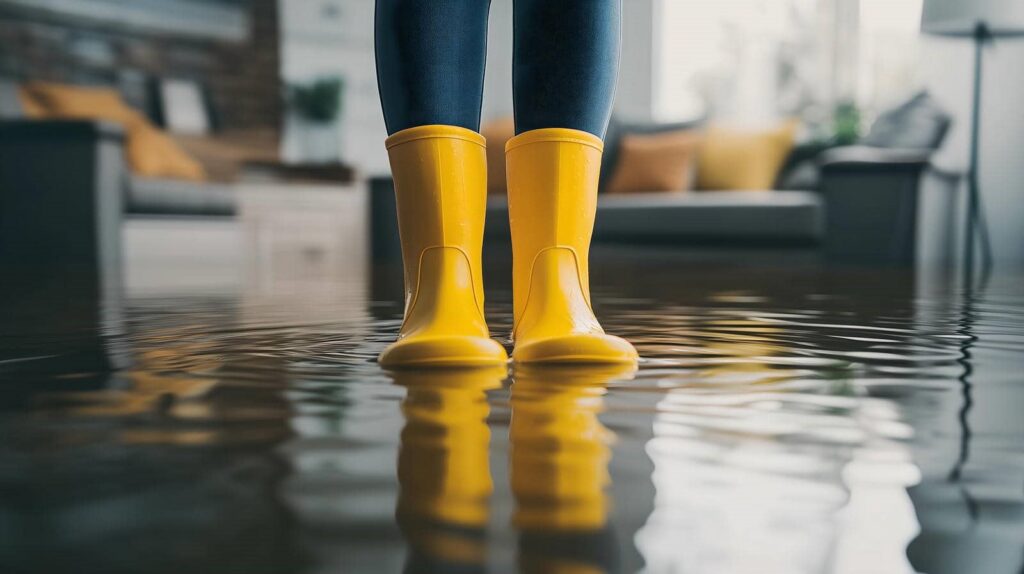
When dealing with water restoration, ensuring your safety is as important as managing the water itself. Adhering to established safety protocols is vital. Start by wearing protective clothing like waterproof boots, gloves, and masks to shield yourself from contaminants and potential hazards in the water. These items keep you safe and create a sense of community among those working together in restoration efforts, reinforcing that you’re all in it together.
Additionally, consider using safety goggles to protect your eyes from splashes and debris. If you’re working in a heavily affected area, hard hats can provide extra protection from falling objects.
Frequently Asked Questions
How Do I Choose the Right Size Equipment for My Home?
To choose the right size equipment, conduct thorough home assessments. Measure affected areas, consider moisture levels, and match equipment sizing to your specific needs to ensure effective water restoration and ideal results for your space.
Can I Rent Water Restoration Equipment Instead of Buying?
Absolutely, you can rent water restoration equipment instead of buying. With rental costs often 30-50% lower than purchase prices, you’ll find ample equipment availability, allowing you to tackle water damage effectively without a huge investment.
What Safety Precautions Should I Take During Water Restoration?
During water restoration, wear personal protective equipment like gloves and masks. Make certain of electrical safety by disconnecting power sources before starting. Always check for hazards, and keep your workspace well-ventilated to prevent mold growth and respiratory issues.
How Long Does Water Restoration Typically Take?
Water restoration typically takes 3 to 5 days, depending on the severity of damage. Understanding the water damage timeline helps you navigate the restoration process efficiently, ensuring your home returns to normal quickly and safely.
Will My Insurance Cover the Cost of Water Restoration Equipment?
Your insurance policies might cover water restoration equipment, but check the coverage limits. Many plans include specific clauses for water damage, so reviewing your policy details ensures you understand what costs are eligible for reimbursement.
Final Thoughts
In the domain of water restoration, think of your equipment as a trusty toolkit for a knight starting on a quest. Each piece, from portable extractors to safety gear, plays an essential role in vanquishing the relentless forces of moisture and chaos. Equip yourself wisely, and you’ll navigate the stormy seas of water damage with confidence. By having the right tools at your side, you ensure your home emerges victorious, dry, and ready for a fresh start.